CoQ10 for statin muscle pain: why systematic reviews still disagree
CoQ10 is popular for statin-associated muscle symptoms, but randomized trials and meta-analyses conflict. Learn how diagnosis, nocebo effects, and safety fit.
Some recent pooled analyses report a small reduction in statin-associated muscle pain with CoQ10, while other rigorous reviews and a confirmed-myalgia trial found no benefit. Evidence remains inconsistent.
A plausible mechanism made CoQ10 popular
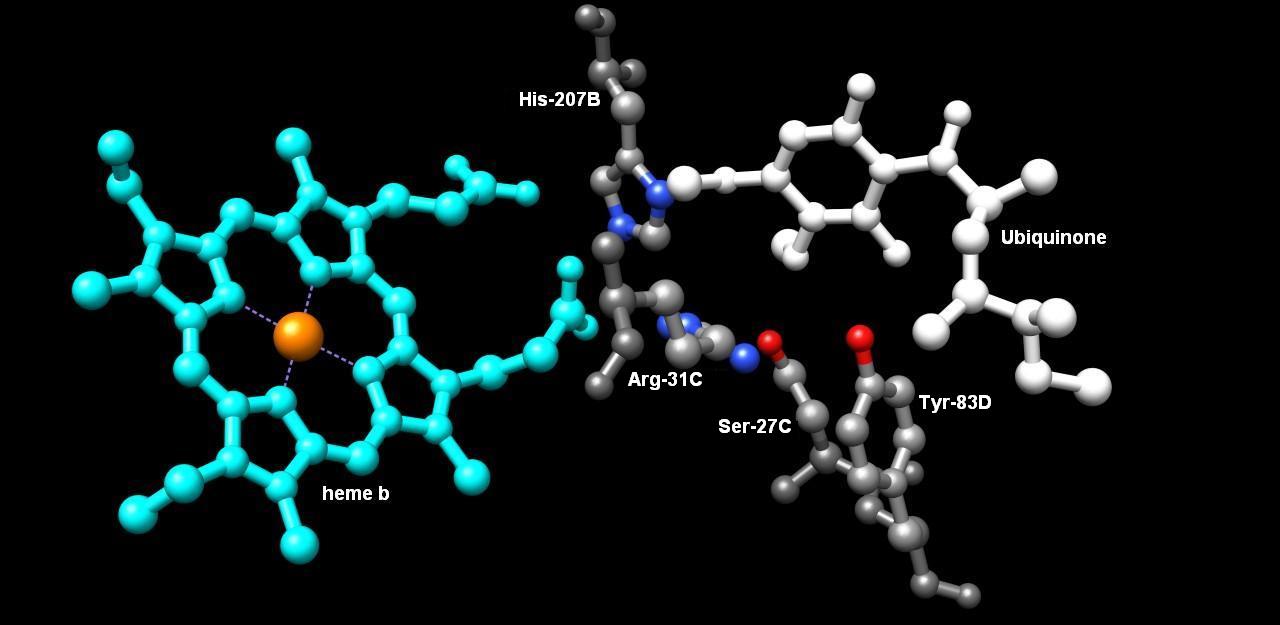
Statins inhibit cholesterol synthesis through a pathway that also contributes to endogenous coenzyme Q10 production. Because CoQ10 participates in mitochondrial energy transfer, lower circulating levels were proposed as a cause of statin-associated muscle symptoms. The theory led to widespread supplement use before clinical benefit was firmly established.
A change in blood CoQ10 does not prove that muscle pain comes from tissue deficiency or that supplementation will correct it. Statin symptoms are heterogeneous, and muscle pain is common even without statin exposure. Trials need credible confirmation of symptoms and a placebo comparison.
A confirmed-myalgia trial found no pain benefit
One randomized study first challenged 120 people with simvastatin and placebo in a blinded crossover. Only 41 developed pain with simvastatin but not placebo and entered the CoQ10 phase. This confirmation step reduced the chance of enrolling pain unrelated to the drug.
CoQ10 at 600 milligrams daily substantially raised blood CoQ10 but did not reduce pain severity, pain interference, time to symptom onset, muscle strength, or aerobic performance compared with placebo. The result shows why biomarker correction and symptom relief cannot be assumed to travel together.
Meta-analyses have reached different conclusions
A 2020 systematic review of randomized trials found no significant improvement in muscle pain or the proportion of patients who remained on statins. An earlier pooled analysis also found no significant benefit for pain or creatine kinase and no dose-response relationship.
A 2025 meta-analysis of seven small trials reported a modest average reduction in pain intensity, although four trials were positive and three were not. The studies lasted only 30 to 90 days and used 100 to 600 milligrams daily. Different eligibility criteria, pain scales, and statistical choices can move a borderline pooled result across significance.
First confirm what kind of muscle problem is present
Muscle aches can reflect exercise, thyroid disease, vitamin D deficiency, viral illness, inflammatory disease, drug interactions, or another medication. Severe weakness, dark urine, fever, or marked illness can signal serious muscle injury and needs prompt evaluation. Creatine kinase may be useful in selected cases but can be normal with ordinary statin-associated muscle symptoms.
Do not stop a statin abruptly without discussing cardiovascular risk. A clinician can review timing, dose, interacting drugs, thyroid and kidney function, and whether a pause-and-rechallenge, lower dose, different statin, alternate schedule, or nonstatin therapy is appropriate.

The nocebo effect does not mean symptoms are imaginary
Blinded statin rechallenge studies show that many reported symptoms also occur during placebo periods. Expectations can amplify real sensations, but that does not dismiss the patient’s experience. It means a structured comparison can identify which symptoms truly track with the medicine and preserve effective prevention when possible.
The confirmed-myalgia trial found that only about one-third of people with a prior history reproduced symptoms specifically on simvastatin. That design feature may partly explain why its CoQ10 result differs from trials enrolling participants based only on an earlier complaint.
A reasonable supplement discussion
CoQ10 is generally well tolerated but can cause gastrointestinal symptoms and may interact with warfarin or other medicines. Product forms and doses vary, and independent quality testing does not prove pain relief. A short supervised trial may be reasonable for some patients who understand the uncertainty, but it should have a defined outcome and stop point.
The priority is maintaining an effective, tolerable lipid-lowering plan. CoQ10 should not be marketed as a guaranteed antidote or used to justify abandoning cardiovascular prevention. Current evidence supports shared decision-making: a possible small benefit in some pooled analyses, balanced against several negative trials and reviews.
Record where the pain occurs, when it began relative to the statin, what happens during a supervised pause, and whether symptoms recur on rechallenge. A diary is more informative than relying on memory after several product changes. It also helps separate a supplement effect from normal fluctuation, new exercise, or a different medication change.
Sources & further reading
This article provides educational information. Ask a qualified clinician or pharmacist about your symptoms, medical conditions, medicines and supplement interactions.