Magnesium for sleep: what the newest review says—and what it does not
A 2026 systematic review found inconsistent, low-certainty evidence for magnesium and sleep. Learn about forms, doses, side effects, kidney risk, and interactions.

Magnesium is not established as a routine insomnia treatment. Trials vary widely, evidence certainty is low, and supplemental magnesium can cause diarrhea or interact with medicines.
A familiar mineral can still have uncertain sleep effects
Magnesium contributes to nerve, muscle, glucose, blood-pressure, and bone functions. Because sleep also involves nervous-system regulation, supplements are often marketed as calming or sleep-promoting. Biological plausibility, however, does not establish that a capsule treats insomnia or meaningfully improves objective sleep.
People may also interpret relaxation, a bedtime ritual, or improvement after correcting a deficiency as proof that magnesium works for everyone. Those are different possibilities. Trials need to compare magnesium with a credible placebo, track adherence, define the population, and measure sleep with validated tools.

The 2026 review found inconsistent results
A systematic review published in 2026 searched randomized controlled trials of oral magnesium used as the only active intervention for adult sleep outcomes. It included 12 trials in the main synthesis and three additional trials involving movement- or cramp-related sleep disturbance. The studies varied substantially in participants, forms, elemental doses, duration, and measurements.
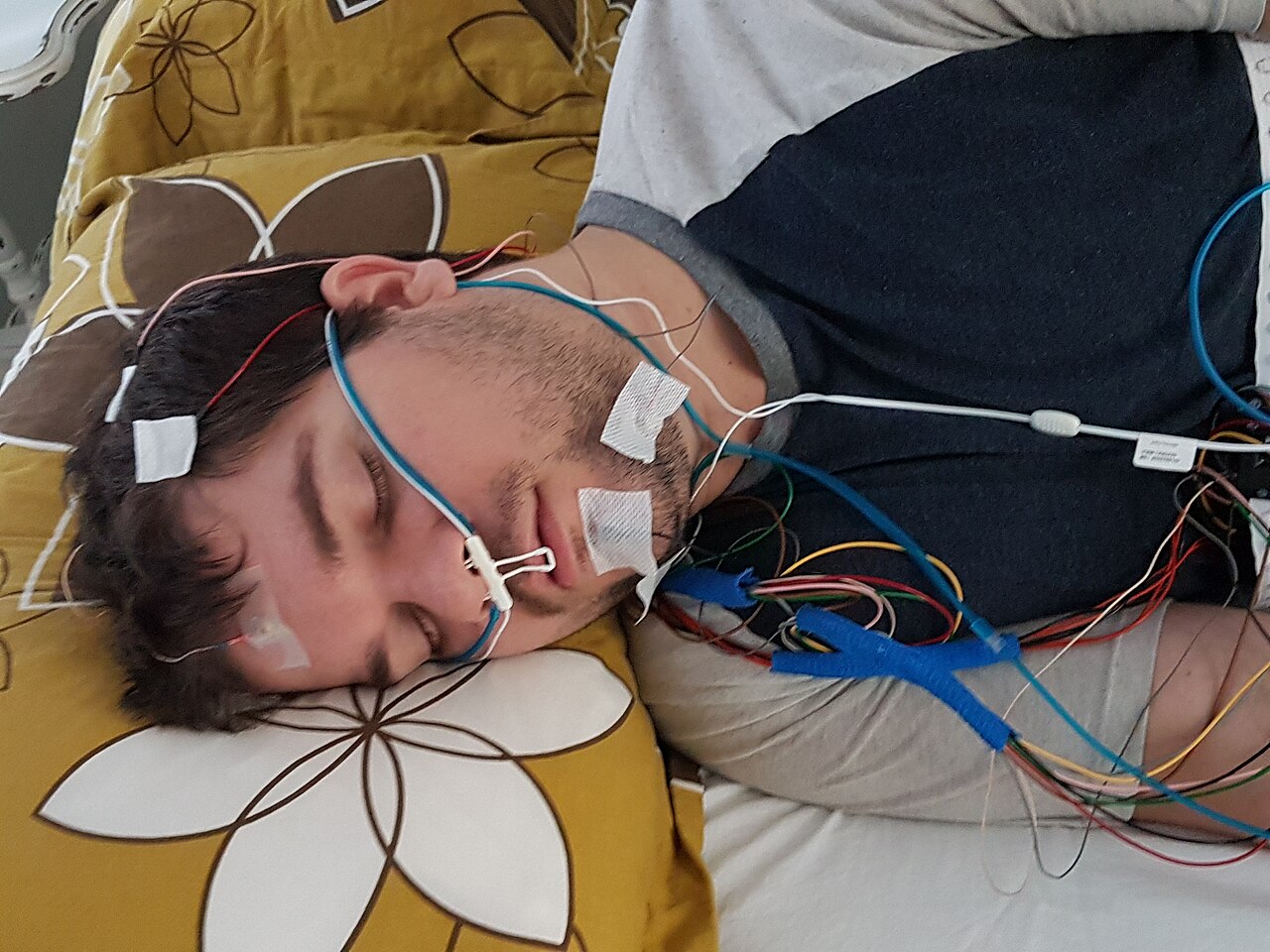
Results were inconsistent across questionnaires, electroencephalography, research-grade actigraphy, consumer wearables, and physiological markers. The authors rated the evidence low to very low certainty and concluded that current evidence does not support oral magnesium as a routine insomnia treatment. They left open the possibility of modest subjective benefits in selected adults.
Earlier pooled evidence was also limited
A 2021 systematic review and meta-analysis found only three randomized trials with 151 older adults. Pooled results suggested shorter sleep-onset latency, while total sleep time did not improve significantly. The trials had moderate-to-high risk of bias, and the overall evidence was low or very low quality.
A small average improvement can be real and still be uncertain. When studies are few, short, and methodologically weak, a pooled estimate may change substantially when better trials arrive. Results in older adults with insomnia also should not be generalized automatically to younger adults, shift workers, or people whose sleep problem is caused by apnea, restless legs, pain, or medication.
Elemental dose and safety matter
The front label may advertise a compound amount, while the Supplement Facts panel lists elemental magnesium—the number used for intake. Different salts contain different proportions and may differ in gastrointestinal tolerance. Claims that one form crosses the brain or guarantees sleep often go beyond direct comparative evidence.
The NIH Office of Dietary Supplements lists an adult upper limit of 350 milligrams per day for magnesium from supplements and medications, not magnesium naturally present in food. Higher supplemental doses commonly cause diarrhea, nausea, and cramping. Severe toxicity is unusual in healthy people but becomes more likely with impaired kidney function because magnesium clearance is reduced.
Interactions and the actual sleep problem come first
Magnesium can reduce absorption of oral bisphosphonates and certain tetracycline or quinolone antibiotics, so timing may need separation. Diuretics and long-term proton-pump inhibitors can also affect magnesium status. A pharmacist or clinician can review the exact product, elemental dose, kidney function, and medication schedule.
Persistent insomnia is better approached by defining the pattern and cause. Cognitive behavioral therapy for insomnia is an established first-line treatment, while loud snoring, breathing pauses, severe daytime sleepiness, or restless sensations call for targeted evaluation. Magnesium may be a candidate in a specific context, but the latest evidence does not support presenting it as a dependable sedative.
Track sleep without letting the tracker become the outcome
If magnesium is tried after a medication and safety review, define a short evaluation period and a practical outcome such as time to fall asleep, nighttime awakenings, next-day function, or a validated diary score. Consumer wearables estimate sleep and can be useful for patterns, but small nightly changes are not precise proof of an effect.
Keep the rest of the routine stable enough to interpret the trial, and stop if diarrhea or other adverse effects outweigh any benefit. Do not increase the dose just because sleep remains poor. Persistent symptoms, especially those affecting daytime safety, deserve a diagnosis-focused plan rather than repeated changes among mineral forms.
Sources & further reading
This article provides educational information. Ask a qualified clinician or pharmacist about your symptoms, medical conditions, medicines and supplement interactions.