Mouthwash, nitrate and blood pressure: what happens when oral bacteria leave the pathway
Oral bacteria help convert dietary nitrate toward nitric oxide. Small trials of antimicrobial mouthwash found mixed blood-pressure effects.
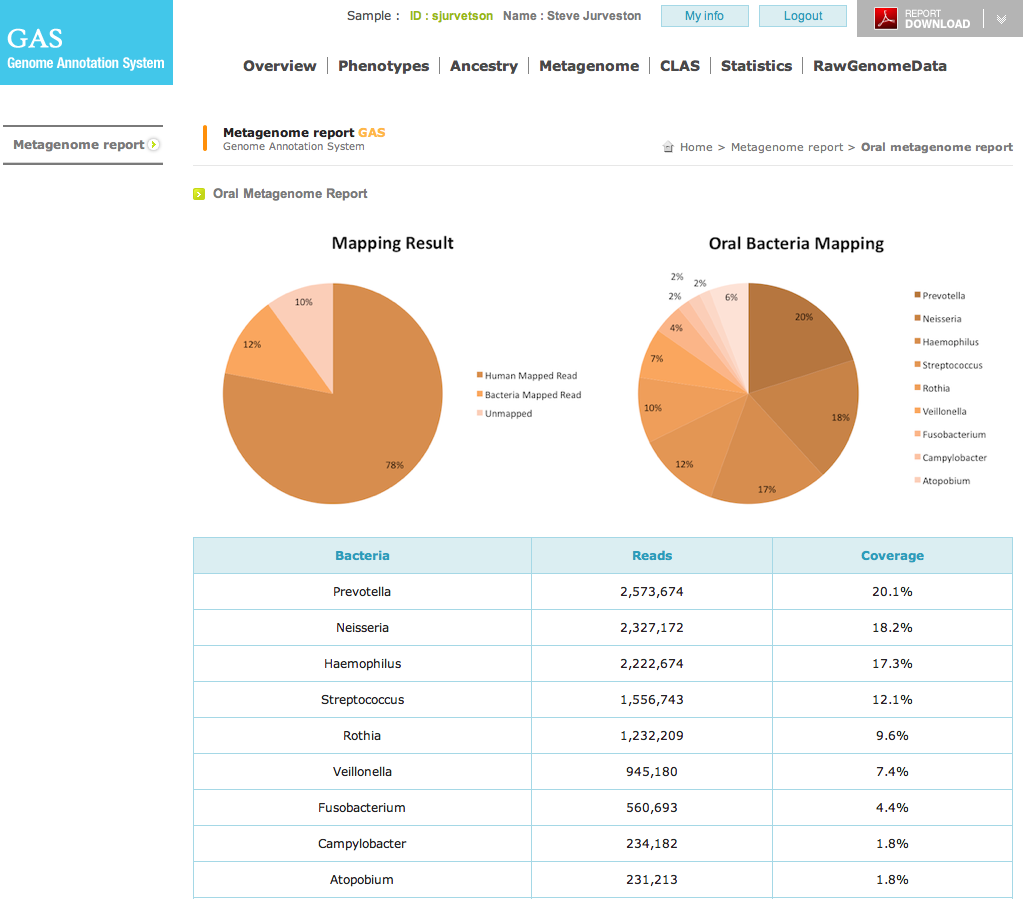
Antimicrobial mouthwash can reduce oral nitrate conversion, but small trials disagree on whether that meaningfully changes blood pressure.
Your mouth helps finish part of the nitrate job
Dietary nitrate does not travel straight from a beet to a relaxed artery. Some nitrate circulates into saliva, where oral bacteria convert it to nitrite. The body can then use nitrite in nitric-oxide biology, especially when oxygen is limited.
That makes the oral microbiome part of a cardiovascular pathway, not just a dental side note. It also raises a practical question: if a strong antimicrobial rinse reduces nitrate-converting bacteria, does it weaken the blood-pressure effect people hope to get from nitrate-rich foods or supplements?
One small crossover trial found a modest rise
A randomized crossover study tested three days of antibacterial mouthwash in 15 adults with treated hypertension. Compared with water, the rinse reduced oral nitrate-to-nitrite conversion and salivary nitrite. Systolic blood pressure was 2.3 mm Hg higher, while diastolic pressure did not differ.
The design lets each participant serve as a comparison, but the trial was tiny and short. It shows that interrupting the pathway can change biomarkers and may slightly affect systolic pressure. It does not show that routine mouthwash use causes cardiovascular disease.
A newer trial did not find a clinically important pressure effect
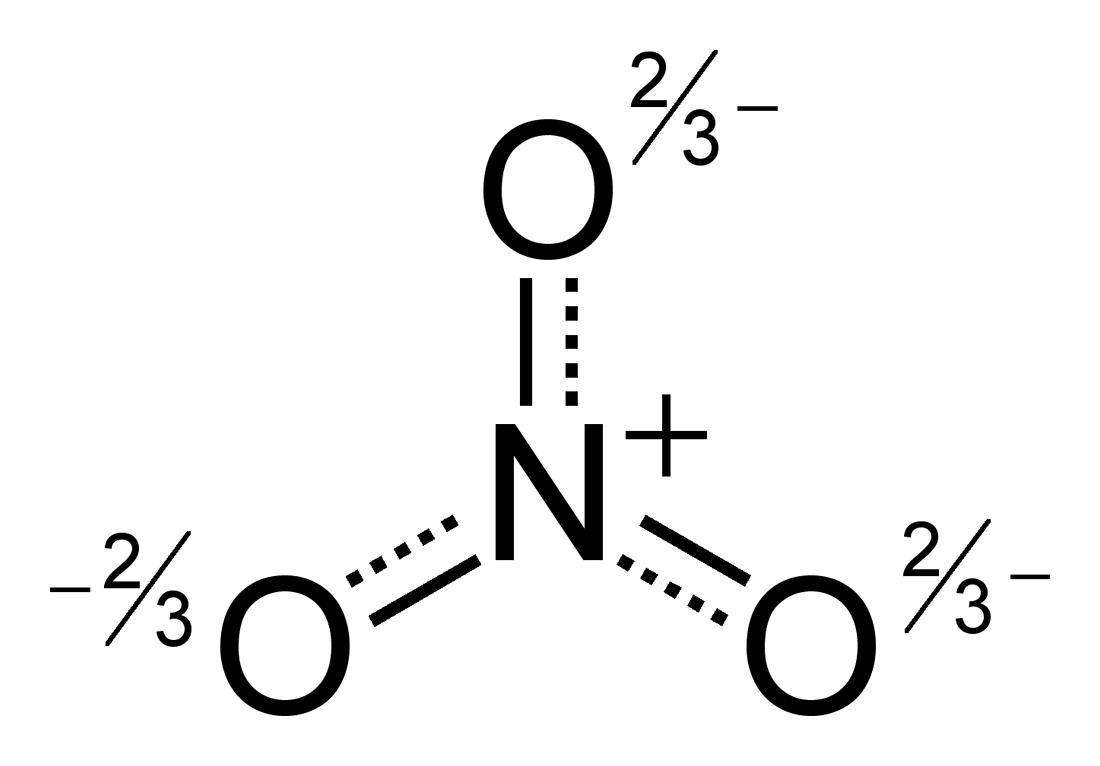
A 2026 randomized trial assigned 90 people to saline, chlorhexidine or octenidine mouthwash for 21 days. Antimicrobial rinses reduced bacterial measures and changed salivary nitrate patterns, yet the investigators reported no clinically significant blood-pressure effect.
The results do not erase the earlier study. Different participants, products, durations and baseline blood pressure can produce different findings. Together they say the nitrate pathway is biologically real while the long-term clinical impact of mouthwash remains uncertain.
Beetroot amount is not the same as nitrate dose
Research on beetroot and blood pressure often depends on a measured nitrate dose. A label that lists only beetroot powder does not tell you how much nitrate the serving delivers, because plant material and processing vary.
VitaVein is positioned as a beetroot capsule for heart health and circulation. That format may be convenient, but a beetroot amount should not be rewritten as a quantified nitrate dose or a proven blood-pressure result. The mouthwash studies also did not test this finished product.
Protect dental care while keeping claims in proportion
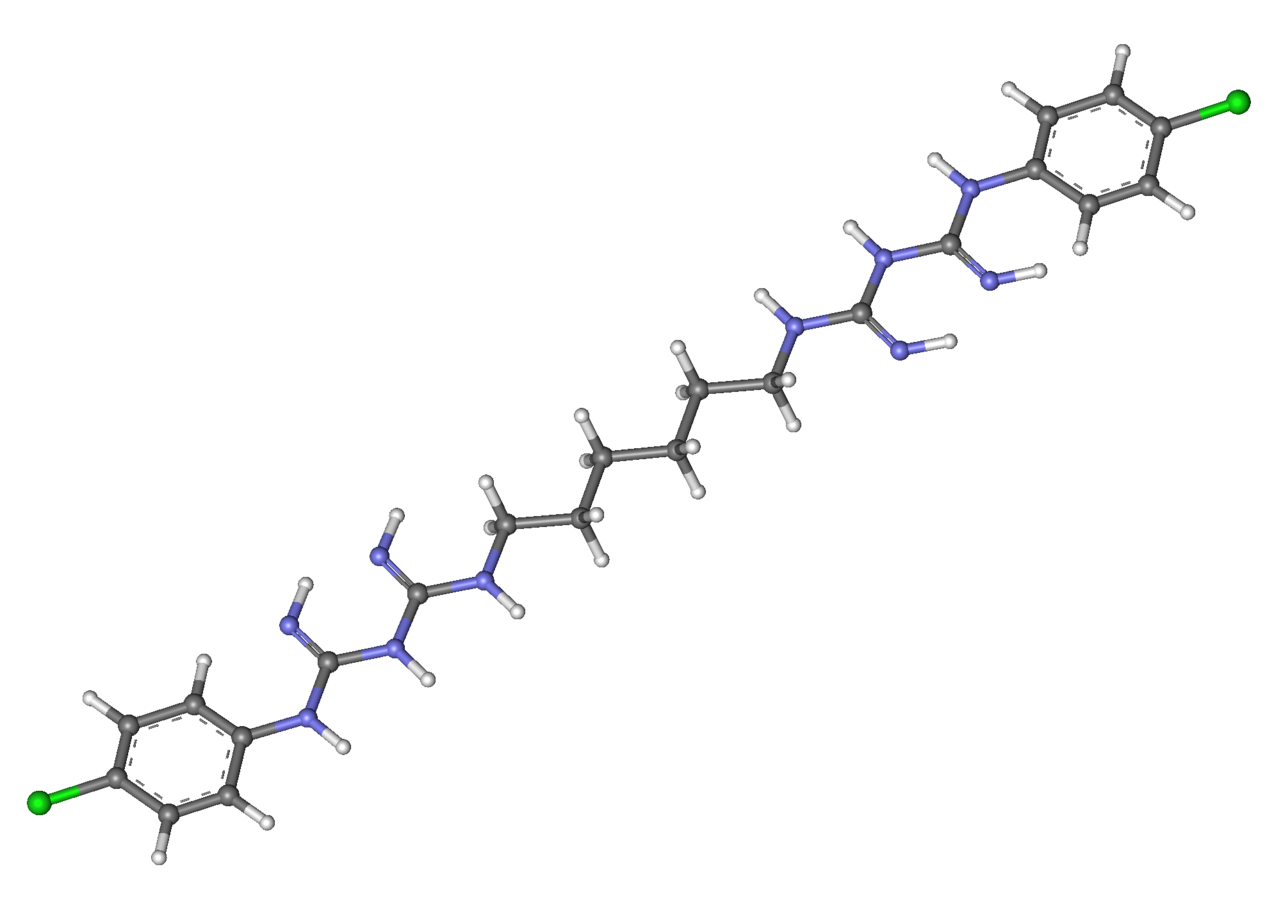
Do not stop a dentist-recommended antimicrobial rinse to chase nitric oxide. Chlorhexidine is often prescribed for a reason, and uncontrolled gum disease carries its own health costs. Ask how long the rinse is needed and whether the indication still applies.
For blood pressure, keep the proven basics in front: validated home readings, prescribed medicine, activity, sleep and an eating pattern rich in vegetables. The nitrate pathway is a useful piece of physiology. It is not a reason to trade necessary oral care for an unmeasured supplement promise.
Run a cleaner personal experiment
If a clinician wants to see whether diet affects blood pressure, use the same validated cuff, seated rest period, arm position and time of day. Record several readings rather than celebrating one low number after beetroot or blaming one high number on mouthwash.
Keep prescribed medicines and dental treatment stable unless the relevant clinician changes them. Note the exact mouthwash ingredient, frequency and reason for use. “Antimicrobial rinse” covers products with different chemistry, and the two trials here should not be stretched to every rinse on a store shelf.
This is a promising pathway for research because it links food, microbes and vascular biology. For everyday decisions, the honest conclusion is narrower: oral nitrate reduction can be disrupted, but we still do not know the long-term blood-pressure importance for most people.
People with kidney disease, low baseline blood pressure or several blood-pressure medicines should be especially cautious about adding concentrated nitrate products without advice. A supplement that nudges pressure downward can still matter when combined with treatment. Report dizziness, fainting or unusual weakness rather than assuming the reaction is harmless.
Beeturia—pink or red urine after beetroot—can be harmless, but blood in urine should not be self-diagnosed as beetroot. If the color is unexplained, persistent or accompanied by pain or clots, seek medical advice.