Saw palmetto for urinary symptoms: why higher doses did not beat placebo
NIH-funded trials found saw palmetto no better than placebo for BPH-related urinary symptoms, even at triple the usual dose. Review safety and red flags.
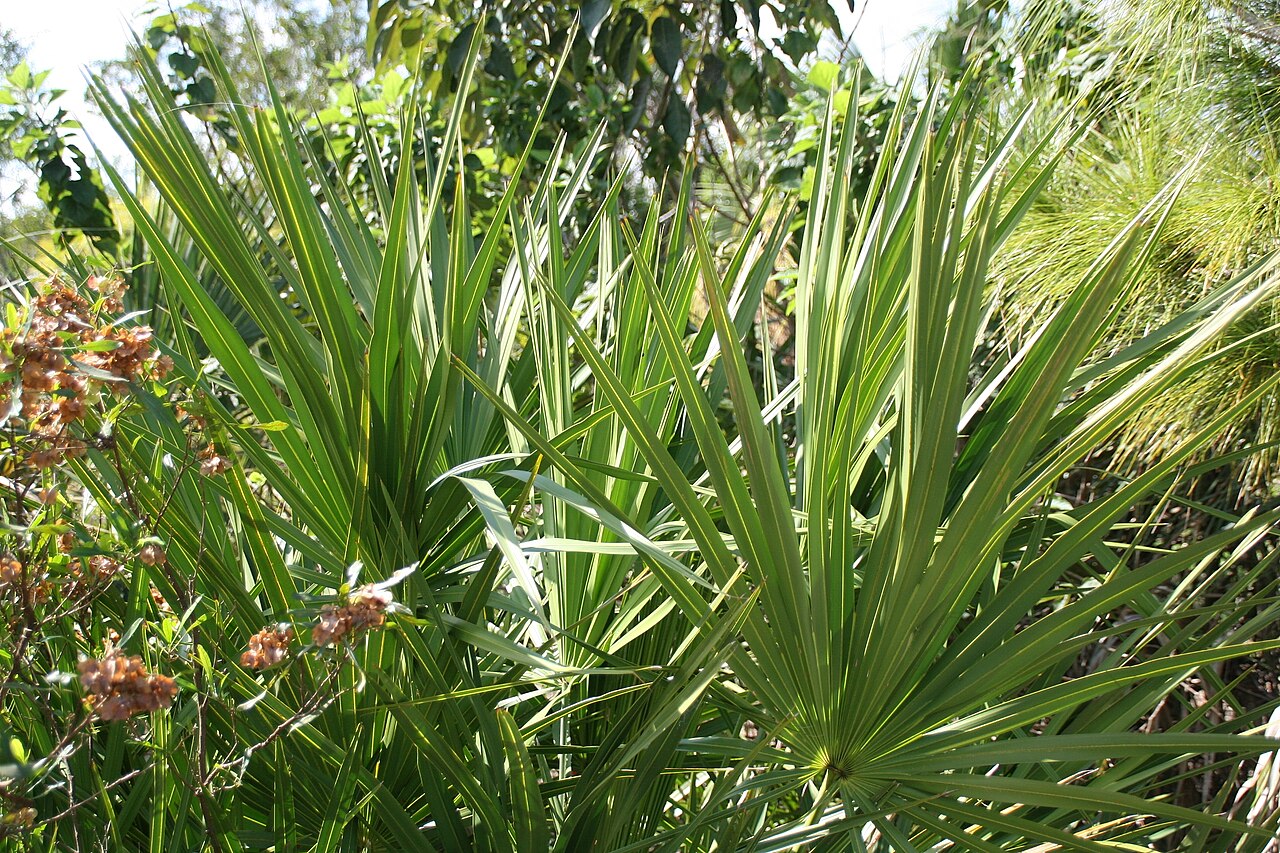
Saw palmetto alone probably does not improve urinary symptoms attributed to an enlarged prostate. Increasing the dose did not outperform placebo in a large NIH-funded trial.
The symptom target needs a diagnosis
Saw palmetto is commonly promoted for weak stream, urgency, frequency, and nighttime urination attributed to benign prostatic hyperplasia, or BPH. Those symptoms are not specific to prostate enlargement. Bladder conditions, urinary infection, diabetes, sleep apnea, diuretics, neurologic disease, and prostate or bladder cancer can create overlapping patterns.
A supplement trial without evaluation can therefore aim at the wrong cause. Clinicians assess symptom severity, medicines, urine findings, prostate risk, bladder emptying, and other factors as appropriate. The goal is not merely to label every urinary complaint as an enlarged prostate.
The CAMUS trial tested escalating doses
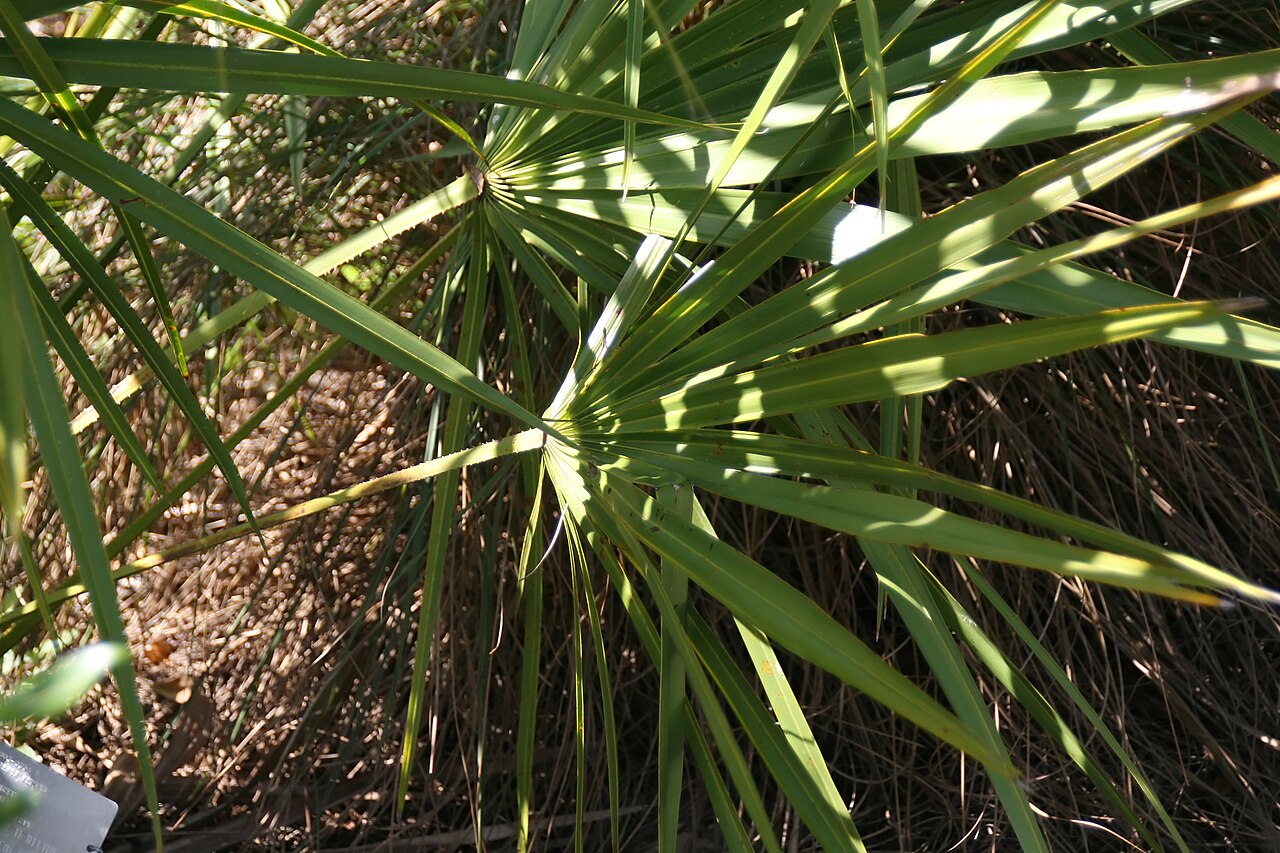
The NIH-funded CAMUS trial randomized 369 men with moderate urinary symptoms to an ethanolic saw palmetto extract or placebo. The dose increased from 320 to 640 and then 960 milligrams daily over 72 weeks, reaching three times the usual amount.
Symptoms improved in both groups, but the placebo group improved at least as much. Saw palmetto was no better for the primary urinary-symptom score or secondary outcomes including bother, nighttime urination, urine flow, residual volume, sexual function, sleep quality, or participants’ global assessments.
More product did not rescue the hypothesis
When a standard dose fails, marketers may argue that the study used too little. CAMUS directly tested that explanation by escalating the dose. The absence of benefit at higher amounts makes a simple under-dosing story less credible for the studied extract and population.
It still does not prove that every possible extraction method and combination is ineffective. However, NCCIH’s current summary incorporates a 2023 review of 27 studies and concludes that saw palmetto alone provides little or no benefit for BPH symptoms. Analyses did not find a clear advantage for hexane-extracted products.
Safety looked acceptable in the trial, but benefit still matters
A CAMUS safety analysis found no significant difference between saw palmetto and placebo in serious or nonserious adverse events, vital signs, examinations, laboratory tests, or withdrawals over the study. NCCIH describes saw palmetto as generally well tolerated, with digestive symptoms and headache among reported effects.
Reasonable short-term safety does not create effectiveness. Spending money, delaying proven treatment, and postponing evaluation are harms even when a capsule causes few direct adverse events. Product quality and interactions also vary outside a controlled trial.
Know the urinary red flags
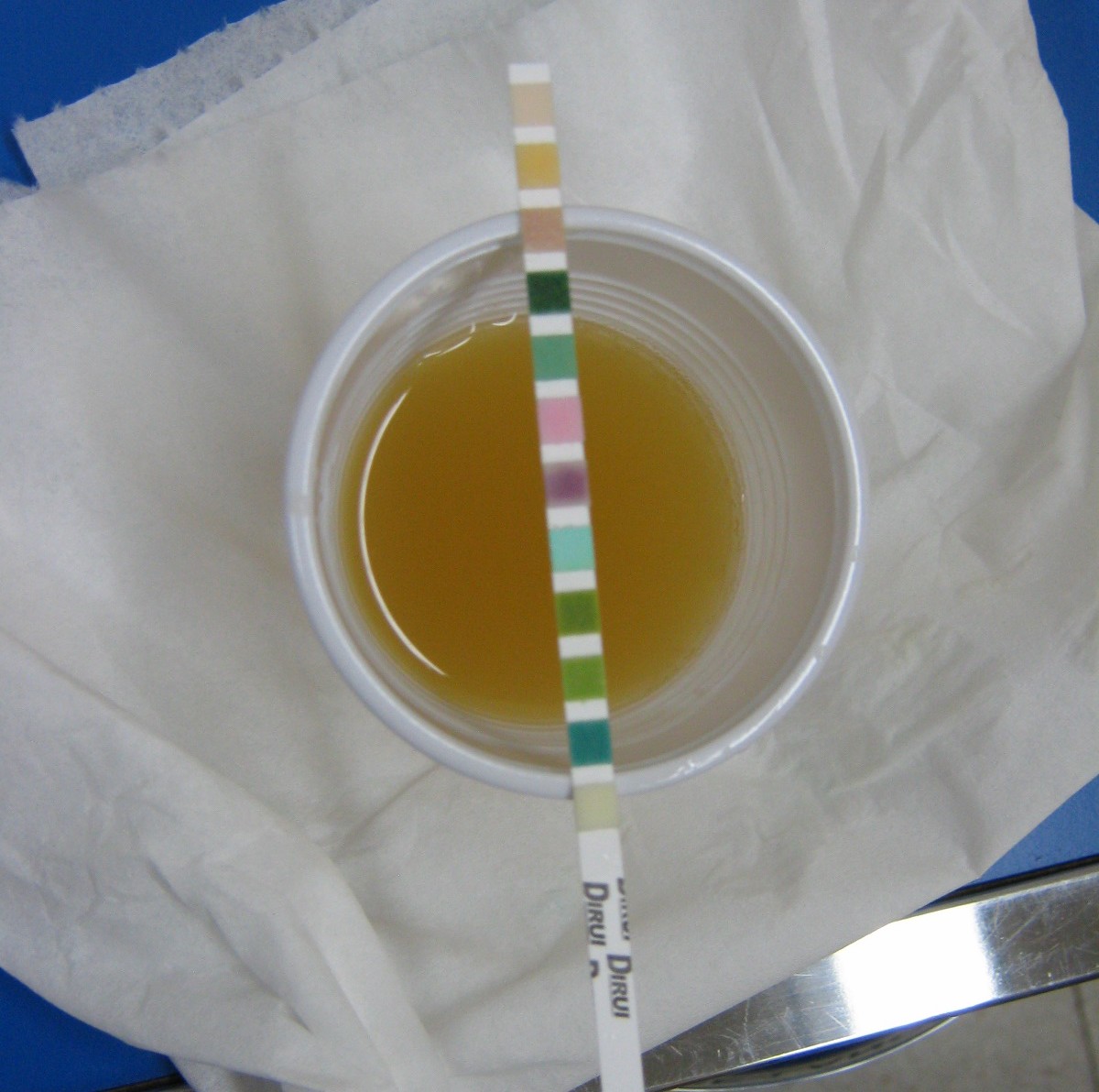
Blood in the urine, inability to urinate, fever with urinary symptoms, severe back or pelvic pain, recurrent infections, unexplained weight loss, or rapidly worsening symptoms require prompt medical attention. New nighttime urination can also reflect sleep apnea, fluid shifts, diabetes, or evening medication timing rather than prostate size alone.
A prostate-specific antigen test and examination have benefits and limitations and should be chosen through an age- and risk-appropriate discussion. A supplement should not be used to lower concern about cancer or to interpret PSA without a clinician.
Better decisions start with a symptom score and a plan
Validated questionnaires can track frequency and bother over time. Behavioral steps such as adjusting evening fluid and alcohol intake or reviewing decongestants and other medicines may help selected patients. Prescription options and procedures depend on prostate size, symptom pattern, blood pressure, sexual priorities, and bladder function.
If saw palmetto is still considered, disclose it to the care team and do not assume that a higher dose will work better. The best available evidence supports a clear conclusion: saw palmetto alone is unlikely to provide meaningful relief for typical BPH-related urinary symptoms.
Track total nighttime urine volume when nocturia is the main complaint. Producing unusually large volumes overnight points toward a different problem than repeatedly passing small amounts because the bladder outlet is obstructed. That simple distinction can redirect evaluation toward sleep apnea, fluid timing, diabetes, edema, or medicines instead of escalating a prostate supplement.
Also note whether urgency follows caffeine or alcohol and whether swelling improves overnight. A seven-day bladder diary can give the clinician evidence that a vague recollection cannot, making the next step more targeted and less dependent on trial-and-error purchasing.
Sources & further reading
This article provides educational information. Ask a qualified clinician or pharmacist about your symptoms, medical conditions, medicines and supplement interactions.