Yohimbe supplements: unpredictable dosing meets real cardiovascular risk
Yohimbe is sold for erections and fat loss, but labels often misstate yohimbine content and poison-control data show tachycardia, anxiety, and hypertension.
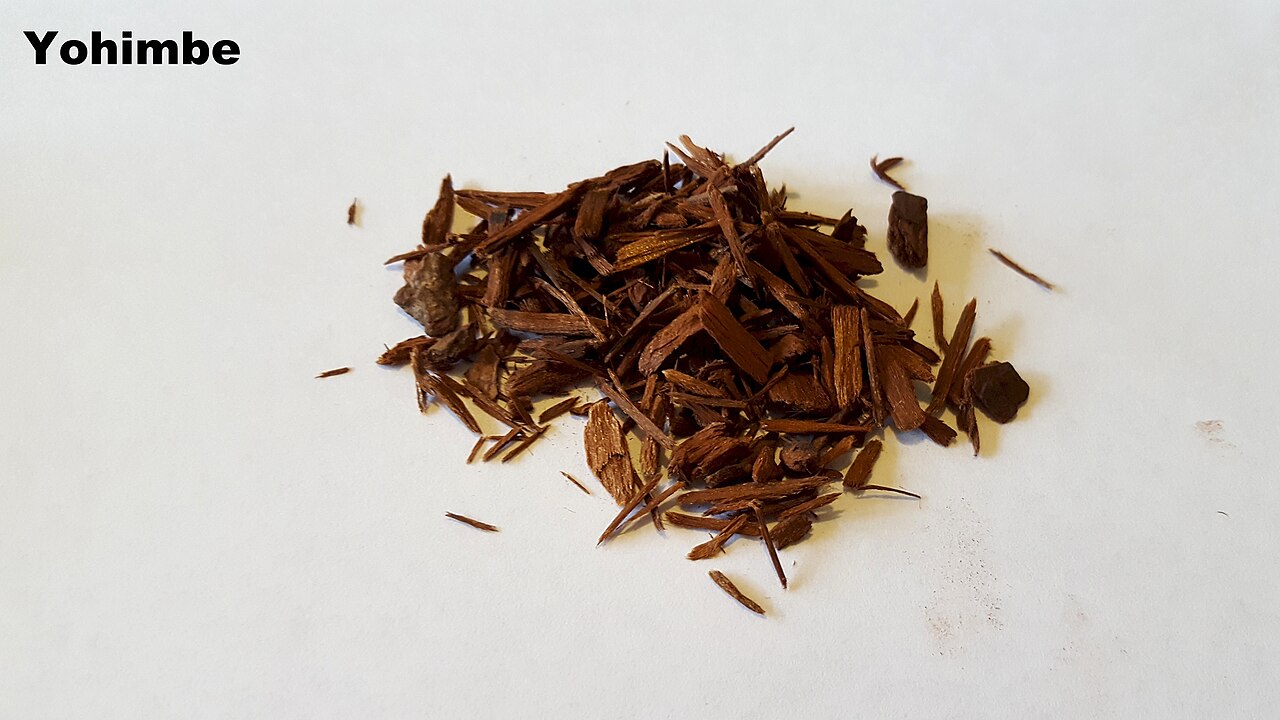
Yohimbe supplements have uncertain effectiveness, highly variable yohimbine content, and documented risks including hypertension, rapid heart rate, arrhythmia, anxiety, seizures, and serious outcomes.
Yohimbe bark and yohimbine are not interchangeable labels
Yohimbe is a West and Central African tree whose bark contains yohimbine and related alkaloids. Purified yohimbine has pharmacologic alpha-2 adrenergic effects, while a bark extract may deliver an uncertain mixture and dose. A supplement label using the plant name does not reveal the active exposure.
Products are marketed for erectile function, fat loss, athletic performance, and mood. NCCIH states that human research on yohimbe supplements is very limited and does not support definite conclusions about effectiveness for any condition.
A 49-product analysis found major label problems
Researchers purchased 49 U.S. products labeled as yohimbe or yohimbine. Measured yohimbine ranged from none detected to 12.1 milligrams per recommended serving. Only 11 labels listed a specific yohimbine amount, and most of those amounts were inaccurate.
Only two products provided both an accurate dose and information about known adverse effects. Some products appeared to contain highly processed or synthetic yohimbine rather than a typical botanical alkaloid pattern. The study shows why a consumer cannot calculate pharmacologic risk from many labels.
Poison-control reports document stimulant-like harm
A review of California Poison Control cases identified 238 symptomatic adult exposures over seven years. Common effects included gastrointestinal distress, rapid heart rate, anxiety or agitation, and high blood pressure. Yohimbine cases were more likely than average poison exposures to require medical care and to produce severe outcomes.
Poison-center data cannot calculate the risk per user because the number of people taking products is unknown and reporting is selective. They are still valuable for identifying a recurring pattern of real-world harm that short supplement trials may miss.
The mechanism creates interaction risk
By increasing noradrenergic activity, yohimbine can raise heart rate, blood pressure, tremor, and anxiety. NCCIH links it with arrhythmia, blood-pressure problems, heart attacks, and seizures. People with cardiovascular disease, panic symptoms, kidney disease, or seizure disorders have particular reason to avoid unsupervised use.
Yohimbe can interact with monoamine oxidase inhibitors and tricyclic antidepressants, and combining it with stimulants, decongestants, caffeine-heavy pre-workouts, or other sexual-enhancement products may compound risk. A proprietary blend makes the total exposure harder to estimate.

Erectile dysfunction deserves a safer evaluation
Persistent ED can be an early sign of vascular disease, diabetes, medication effects, low testosterone, neurologic disease, or psychological stress. Evidence-based prescription treatments have known doses and contraindications, while yohimbe supplements may contain no active alkaloid or a near-pharmaceutical amount.
Chest pain, fainting, severe headache, seizure, marked agitation, or a sustained rapid heartbeat after use requires urgent medical attention. Bring the product container because the label may be incomplete but can still help identify other ingredients.
Why third-party testing is not enough
Independent certification may improve confidence that the stated ingredient is present and contaminants are limited. It cannot establish that yohimbe is effective, determine a safe dose for an individual, or remove its pharmacologic interaction risks.
The combination of uncertain benefit, inaccurate dosing, and documented serious adverse effects makes yohimbe a poor self-experiment. The evidence supports avoiding routine use and discussing erectile or performance concerns with a clinician rather than treating a variable botanical stimulant as a benign aphrodisiac.
The prescription history does not validate supplements
Yohimbine hydrochloride was historically studied and prescribed in standardized doses, but that does not make variable bark supplements equivalent. Purity, co-alkaloids, dose accuracy, and clinical supervision differ. Evidence for a pharmaceutical product cannot be borrowed by a capsule that delivers an unknown amount from an inconsistent extract.
Avoid treating a sensation—racing heart, warmth, tremor, or anxiety—as proof of effectiveness. Those are pharmacologic adverse effects, not evidence of better erections or fat loss. A product that feels strong may simply expose the user to more yohimbine than the label reveals.
Someone who has already used yohimbe should tell the clinician the brand, serving count, timing, other stimulants, and symptoms. Because label accuracy is poor, retaining the container can be more useful than recalling the product name alone.
Sources & further reading
This article provides educational information. Ask a qualified clinician or pharmacist about your symptoms, medical conditions, medicines and supplement interactions.