Beta-alanine: match the supplement to the performance window
Beta-alanine may help some short, intense efforts, but effects are modest and task-specific. Learn about carnosine, study limits, tingling, and label checks.
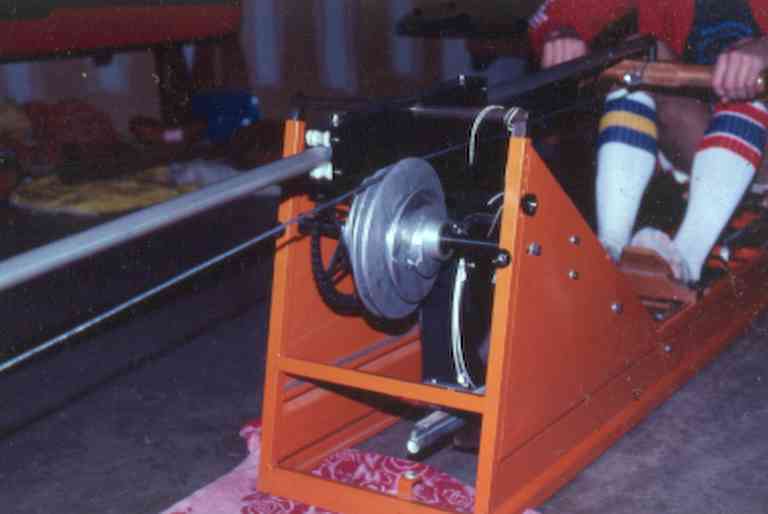
Beta-alanine is most plausible for repeated or sustained high-intensity efforts lasting roughly tens of seconds to several minutes. It is not a general strength, endurance, or testosterone booster.
What beta-alanine changes
Beta-alanine is an amino acid used to make carnosine in skeletal muscle. Carnosine helps buffer the rise in acidity during hard efforts that rely heavily on anaerobic glycolysis. Supplementation can increase muscle carnosine, but the size and speed of that response vary substantially between people.
The mechanism points to a specific use case. It is more relevant when acidity contributes to fatigue during hard work than during an easy walk, a single maximal lift, or a long steady event dominated by aerobic metabolism. A plausible mechanism narrows the question; it does not guarantee better real-world performance.

The average effect is modest and context-dependent
A systematic review and meta-analysis included 40 double-blind, placebo-controlled studies, 1,461 participants, and many different exercise protocols. The overall effect was small. Exercise duration modified the result, with more favorable findings in tests lasting about 30 seconds to 10 minutes and larger effects for exercise-capacity tests than for completed-performance outcomes.
That distinction matters. A time-to-exhaustion test in a laboratory can detect a physiological change but may not predict a race result, team-sport decision, or weight-room personal record. Training status did not clearly explain the effect in the analysis, and the studies used varied dosing schedules and accumulated amounts.
NIH guidance describes mixed evidence
The NIH Office of Dietary Supplements says trials have produced conflicting results. Its health-professional fact sheet notes possible small benefits for high-intensity efforts, including some rowing, swimming, and team-sport demands, while evidence is less convincing for activities lasting more than about 10 minutes.
The fact sheet also highlights disagreement among expert reviews. Some groups view beta-alanine as potentially useful for high-intensity work lasting roughly one to four minutes, while a Department of Defense-sponsored review found limited evidence for active adults. The responsible conclusion is not that one side is fraudulent, but that the benefit depends heavily on the exact task and outcome.
Tingling is common, and long-term data are limited
Paresthesia—a tingling, prickling, or burning sensation—is the best-known side effect. NIH notes that conventional doses of at least 800 milligrams or more than 10 milligrams per kilogram at once can provoke it. Smaller divided servings or sustained-release forms can reduce the sensation. Itching has also been reported.
NIH reports no safety concerns in studies using roughly 1.6 to 6.4 grams daily for up to eight weeks, but long-term safety is less certain. “No concern reported” in short trials is not proof of indefinite safety. Multi-ingredient pre-workouts add another challenge because caffeine and other ingredients can influence both performance and adverse effects.

A useful buying decision starts with the event
Define the performance problem first. If the sport repeatedly demands hard efforts in the range where acid buffering could matter, beta-alanine may be a reasonable candidate. If the goal is maximal strength, low-intensity endurance, fat loss, or higher testosterone, the evidence does not support treating beta-alanine as a direct solution.
Then check the label for the daily amount, serving pattern, and independent quality certification. Evaluate the supplement over a planned period with a repeatable performance measure, not by whether tingling feels intense. Paresthesia is a sensory side effect, not evidence that the product is working.
Separate loading from an acute pre-workout effect
Beta-alanine is generally studied as repeated daily supplementation that gradually raises muscle carnosine, not as a one-time stimulant. Feeling tingling shortly after a scoop does not mean carnosine has suddenly reached an effective level. The sensory effect and the proposed performance mechanism occur on different timelines.
That distinction helps with product comparisons. A pre-workout may include a small amount mainly because users recognize the tingling, while research protocols use a stated daily total over weeks. Check the complete daily dose and whether the product allows consistent use without excessive caffeine or duplicate ingredients. More tingling is not a better protocol.
Athletes subject to anti-doping rules should also choose products certified by a recognized third-party sport program. Certification cannot prove benefit, but it reduces the avoidable risk that an undeclared prohibited substance, rather than beta-alanine, reaches the finished product.
Sources & further reading
This article provides educational information. Ask a qualified clinician or pharmacist about your symptoms, medical conditions, medicines and supplement interactions.