Creatine is a performance supplement, but that does not make it a testosterone booster
What creatine research says about performance, how a recent hormone-and-hair trial was designed, and why related claims need separate evidence.
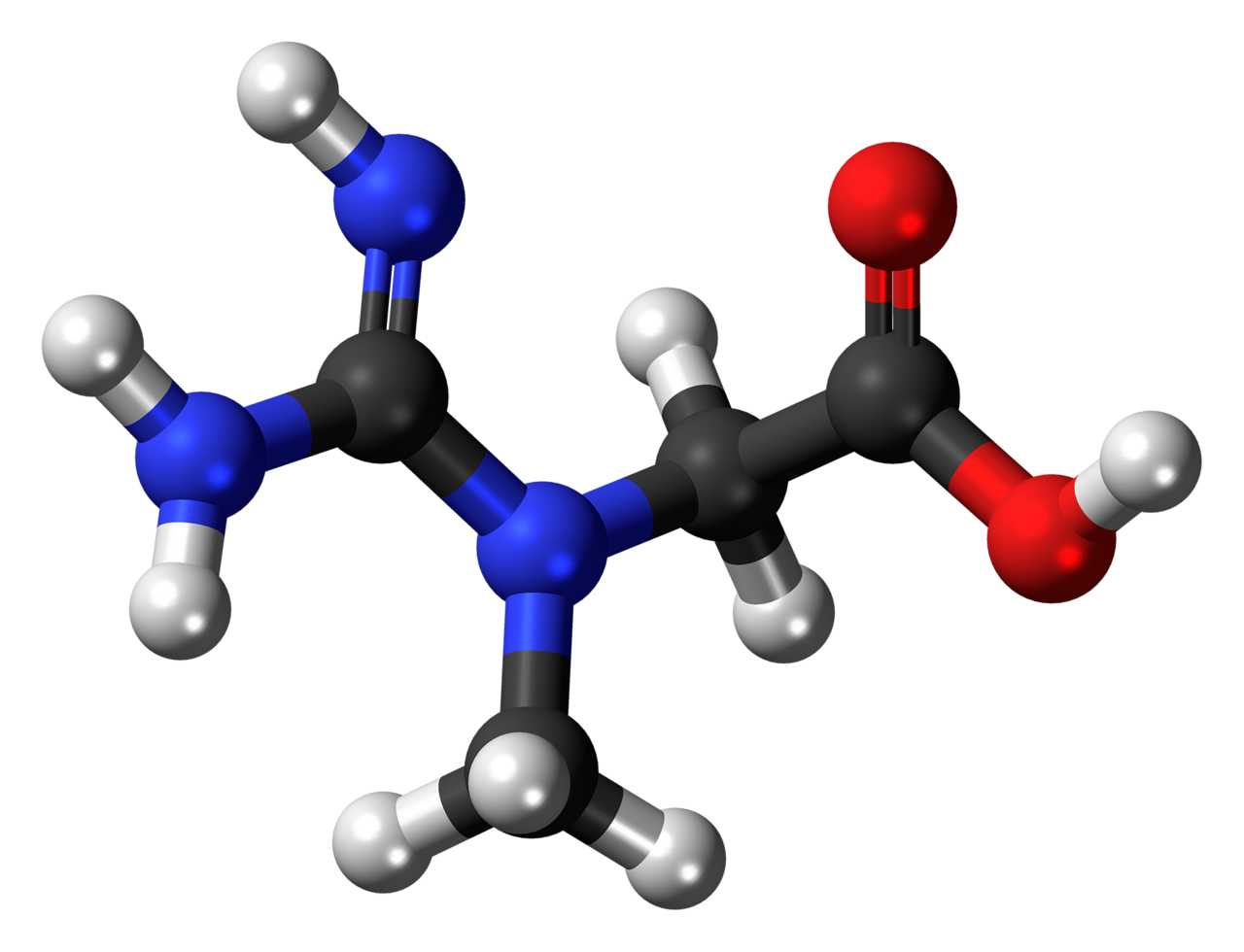
Creatine’s evidence for selected exercise tasks should be judged separately from claims about testosterone, DHT, or hair loss.
Performance and hormones are different claims
Creatine is often discussed in the same conversations as testosterone boosters because both are marketed to people interested in strength and training. That shared audience does not make them the same kind of intervention. Evidence for improved exercise performance cannot automatically be translated into evidence for increased testosterone, and a hormone-related concern requires its own investigation.
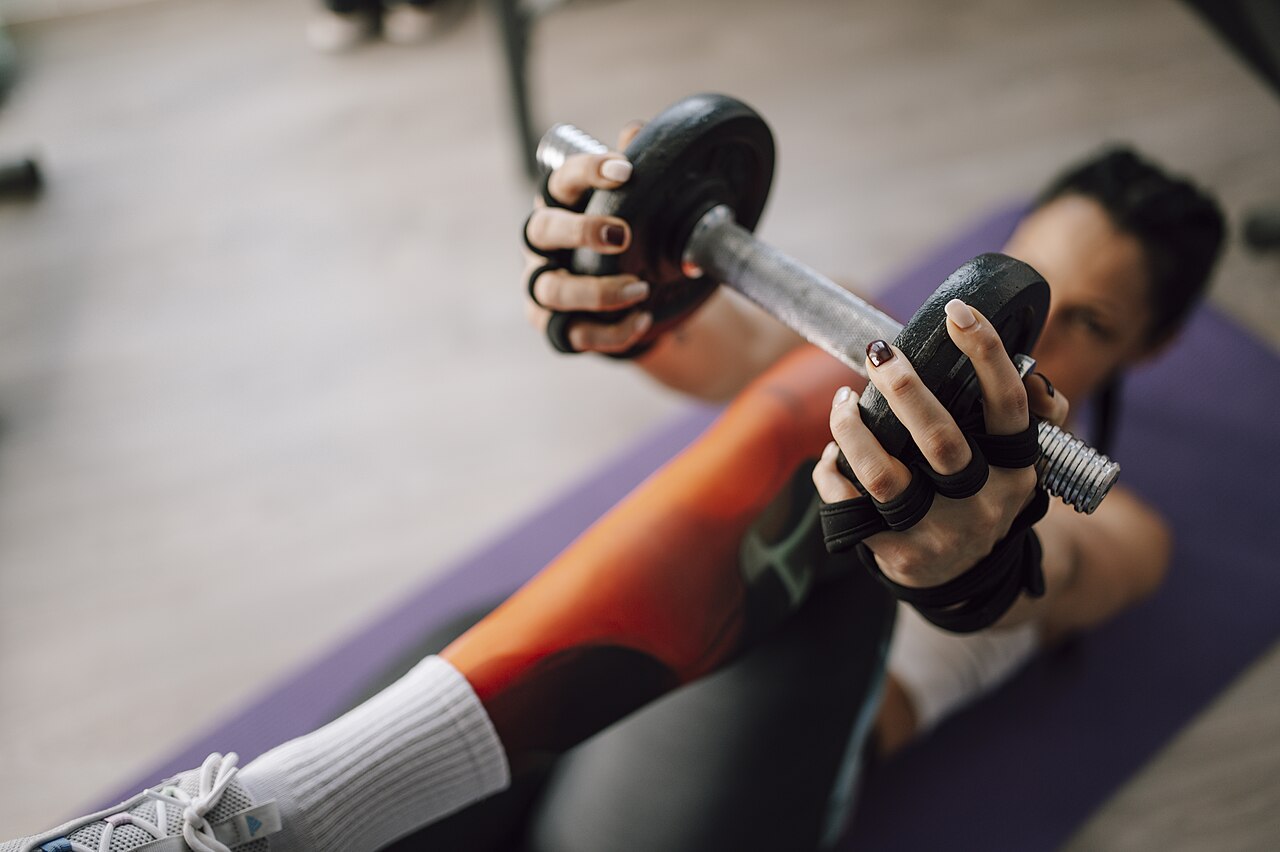
The NIH Office of Dietary Supplements describes creatine's usefulness for repeated short bursts of high-intensity activity, such as sprinting or weightlifting. That is a defined performance context. It does not establish an identical benefit for every sport, every recreational activity, or every outcome on a muscle-building product page. Start by asking which task or result is actually supported.
Why a hair-loss question drew hormone measurements
Concerns that creatine might affect hair loss have often focused on dihydrotestosterone, or DHT. A 2025 randomized trial directly examined androgen measurements and hair-related outcomes over twelve weeks in resistance-trained men. Thirty-eight participants completed the study. The researchers compared creatine monohydrate with placebo rather than assuming a change observed over time must be caused by supplementation.
The trial found no significant group-by-time interactions for the measured hormone or hair outcomes. Some hormone values changed over time in both groups, which the authors reported as independent of supplementation. This is a useful example of why the placebo comparison matters. Looking at only one group's before-and-after hormone value could create a misleading story about the supplement's effect.
A reassuring trial still has boundaries
The trial did not support the claim that creatine caused hair loss in its study setting. However, a twelve-week study in selected participants is not a guarantee covering every person, formulation, duration, and circumstance. A careful summary can report the reassuring finding without turning it into an absolute statement that no related issue could ever occur.
Read participant eligibility, follow-up length, and how the outcome was assessed. These details explain what the study addressed and what it did not. Personal reports can raise questions, but they cannot by themselves identify a cause when training, age, medicines, and other factors may change at the same time. A controlled study is useful precisely because it tries to separate the intervention from those competing explanations.
Keep the product comparison equally narrow
A trial of creatine monohydrate does not automatically validate a blend containing creatine plus several stimulants, herbs, or hormone-oriented ingredients. The full preparation is the relevant intervention. If a product borrows creatine's research reputation, check whether the advertised benefit belongs to creatine itself, the finished formula, or another ingredient entirely.
Record the product's complete label and the evidence cited for each claim. A performance benefit should have a performance outcome, while a testosterone claim should have relevant hormone evidence and appropriate interpretation. Do not assume that adding a booster blend makes a studied performance ingredient more effective. That combination asks another question and needs its own support.
For a tested athlete, a product review also needs to consider sport-specific rules and the scope of any certification. Keep that quality assessment distinct from the clinical claim: a seal addressing selected contaminants does not demonstrate a hormone benefit or guarantee that a blend matches a research preparation.
Decide based on the goal you actually have
If your interest is training, discuss your activity, nutrition, health circumstances, and expectations with an appropriate professional. If your concern is symptoms of possible hormone deficiency or changes in hair, describe those concerns directly to a clinician. A sports supplement should not become a diagnostic experiment for an unrelated health question.
This guide offers no dosing schedule or individualized recommendation. It separates three topics that advertising and online discussion often merge: exercise performance, hormone measurements, and hair outcomes. Each can be investigated, but evidence does not transfer freely between them. A clear decision begins with the specific goal and the specific preparation, followed by a fair reading of studies that actually address both.
Sources & further reading
This article provides educational information. Ask a qualified clinician or pharmacist about your symptoms, medical conditions, medicines and supplement interactions.