Erectile dysfunction and heart risk: why a sexual symptom can earn a vascular check
New or worsening erectile dysfunction can mark shared cardiovascular risk. Learn what the research supports and what a practical screening visit covers.
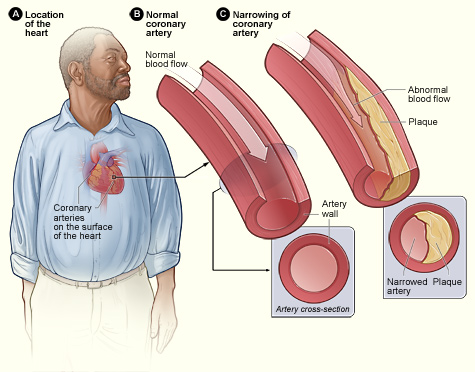
ED does not prove hidden heart disease, but it can be a useful reason to review blood pressure, diabetes, cholesterol, smoking and overall cardiovascular risk.
A bedroom symptom can open a useful heart conversation
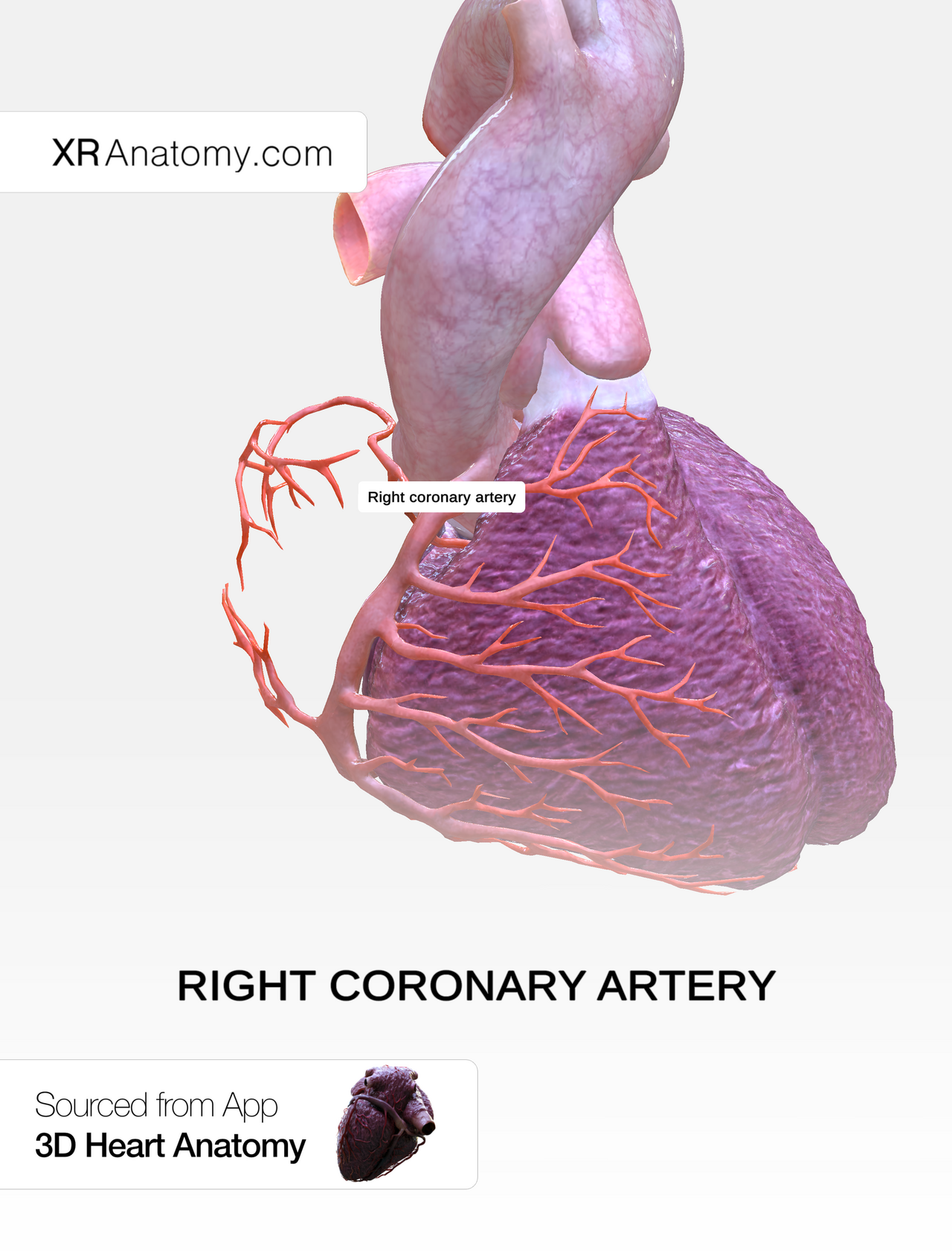
An erection depends on healthy blood flow through small arteries. When erectile dysfunction appears, the same smoking, diabetes, blood-pressure and cholesterol risks that affect coronary arteries may also be involved.
That does not mean every case of ED predicts a heart attack. Medicines, surgery, neurologic disease, hormones, stress and relationship factors also matter. The practical benefit is that a sexual-health visit can uncover vascular risks that otherwise remain quiet.
Large cohorts found future risk, not certainty
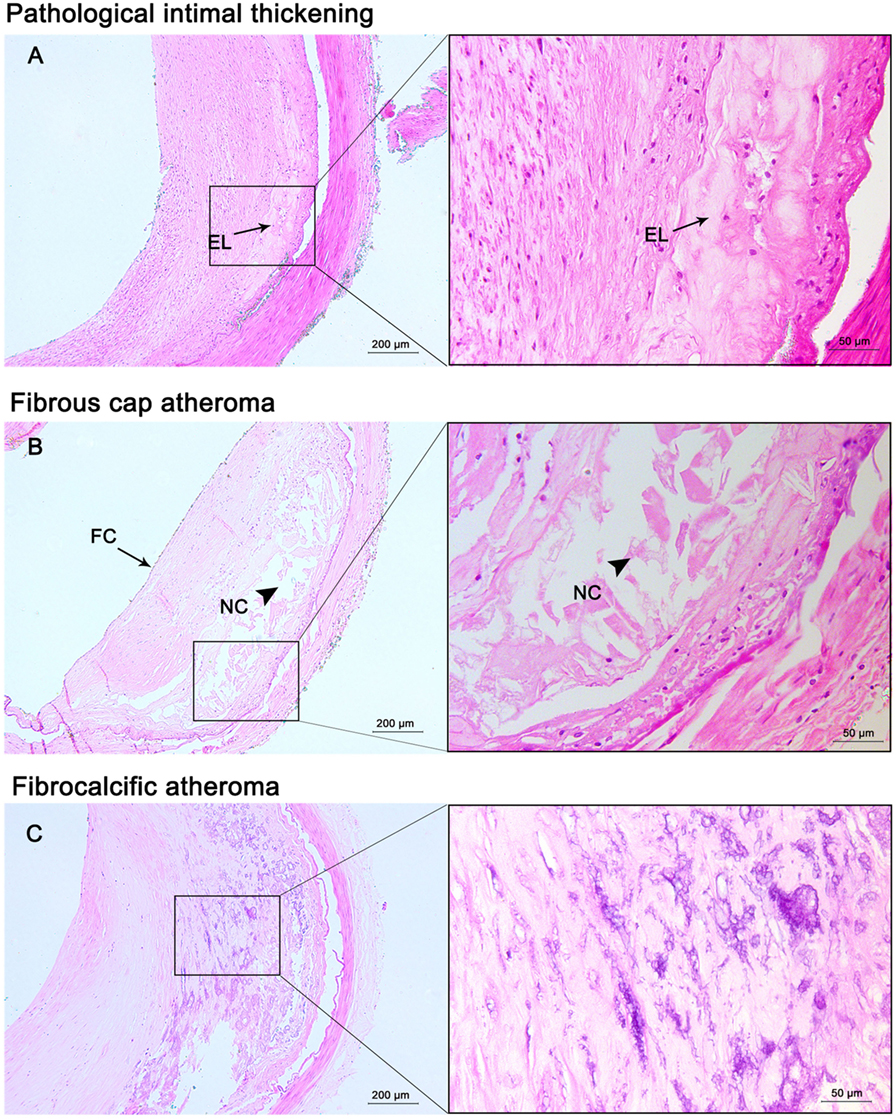
In the Multi-Ethnic Study of Atherosclerosis, ED was associated with later hard cardiovascular events even after adjustment for familiar risk factors. The Prostate Cancer Prevention Trial also found that incident ED was associated with subsequent cardiovascular events.
These are observational data. They show a signal across groups, not proof that ED causes cardiovascular disease or that every man with ED has blocked arteries. Age, diabetes and other shared factors remain important, even when statistical models try to account for them.
Princeton IV treats ED as a risk marker
The 2024 Princeton IV consensus recommends viewing men with ED as being at cardiovascular risk until assessed. The guidance updates how clinicians can use standard risk estimates and, in selected men, coronary artery calcium scoring to refine uncertainty.
A scan is not the automatic next step for everyone. The starting point is history, blood pressure, lipids, glucose or A1c, smoking, family history, exercise tolerance and symptoms. Testing should follow the person’s baseline risk and clinical picture.
Urgent symptoms change the timeline
ED alone is usually handled in a scheduled visit. Chest pressure, severe shortness of breath, fainting, new neurologic symptoms or pain during exertion require prompt evaluation. Sexual activity is physical exertion, so unstable heart symptoms should be assessed before treatment.
Prescription PDE5 inhibitors can be appropriate for many men, but they must not be combined with nitrate medicines because blood pressure can fall dangerously. Bring the complete medication list, including nitroglycerin, isosorbide and recreational substances marketed as “poppers.”
Turn embarrassment into a checklist
Write down when ED began, whether morning erections changed, how consistent the problem is and which medicines started around the same time. Add recent blood pressure, cholesterol and glucose results if available. Mention low libido separately because desire and erection quality are different outcomes.
The practical close is reassuring: a cardiovascular check is not a prediction of disaster. It is a chance to find treatable risks earlier. The best ED plan can improve sexual function while also paying attention to the circulation that makes that function possible.
Treat the shared risks that move both outcomes
Regular activity, smoking cessation, diabetes care, blood-pressure control and appropriate lipid treatment support cardiovascular health and may also help erectile function. The size of the sexual benefit varies, but these steps address the common biology rather than covering one symptom.
Do not interpret a normal treadmill workout as proof that cardiovascular risk is absent, and do not interpret ED as proof that exercise is unsafe. Exercise advice should reflect symptoms, baseline risk and the clinician’s assessment. Men with stable disease often remain active with an individualized plan.
Follow-up matters if the first ED treatment fails. Incorrect timing, insufficient stimulation, heavy meals with some medicines, side effects or an unaddressed cause can all matter. A review is safer than doubling doses or adding an unregulated enhancement product.
If cardiovascular testing is recommended, ask what decision the test is meant to change. A useful test can refine risk or guide exercise and treatment. Testing without a clear consequence can create cost and anxiety without improving care. The risk discussion should remain individualized, not become a blanket scan for every man.
Bring the ED concern up even if the appointment is for something else. Clinicians cannot evaluate a symptom they do not know about, and the conversation may uncover medicine effects or risk factors that are straightforward to address.