Liva Flirty Time Review: Women’s Wellness Beyond a Testosterone Claim
Review Liva’s women-focused ashwagandha gummies through a hormone-health lens, including ingredients, clinical evidence, convenience, and current terms.
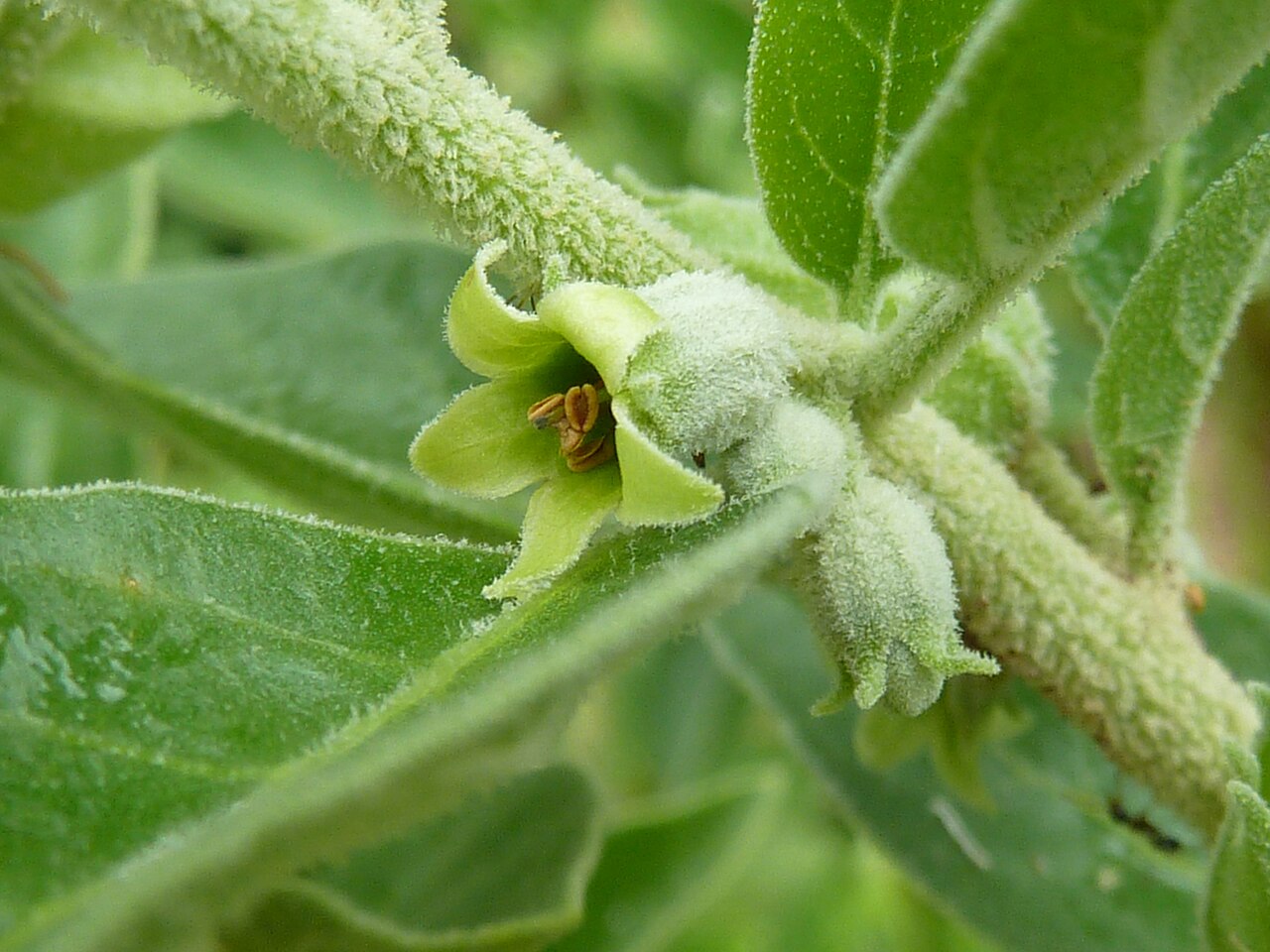
Liva’s inviting gummy format offers a botanical approach to women’s well-being. Its promise is best assessed through the actual formula and sexual-function evidence, without assuming it replaces hormones or raises female testosterone.
A women’s wellness product with a welcoming personality
Liva Flirty Time arrives with a clear lifestyle idea: make intimate wellness feel approachable. The official listing emphasizes a strawberry-peach gummy, ashwagandha, relaxation, and women’s sexual satisfaction. That is an appealing combination for someone who wants to explore a botanical option in a familiar chewable format. It also creates an opportunity to discuss women’s hormone health with more precision than the usual language about simply “boosting” something.
For readers of The Testosterone Review, the central question is what a female-focused gummy can reasonably offer without borrowing the logic of male testosterone products. Women’s desire does not reduce to a single laboratory value, and a plant ingredient is not equivalent to prescribed hormone therapy. Liva’s strongest features are its convenient format and an ingredient with relevant early human research. This review considers those positives while separating nutritional support, sexual-function outcomes, and hormone claims that need very different kinds of evidence.

First establish the formula, then discuss the mechanism
The current official graphic lists three named active components: 25 mg of ashwagandha root, 2 mg of zinc as citrate, and 100 mcg of vitamin D2, also expressed as 4,000 IU. The checkout identifies 30 gummies in a pack and limits purchasing eligibility to adults 18 or older. These details are more useful than assuming that a product’s name reveals its biological effect. The “25mg” catalog wording matches the ashwagandha amount shown online.
The product is pectin-based and described as strawberry-peach flavored. Its other ingredients include glucose syrup, sugar, glucose, citric acid, sodium citrate, natural strawberry flavor, vegetable oil with carnauba wax, and spinach powder. A chewable format may be especially attractive to someone who dislikes tablets or wants a portable routine. That convenience stands on its own. It does not show that the formula raises testosterone, changes estrogen, or produces a particular endocrine response in women. Those would require direct measurements in an appropriately designed study.
Why low desire does not diagnose low testosterone
The 2019 Global Consensus Position Statement on testosterone therapy for women describes sexual well-being as a biopsychosocial matter. Its recommendations do not treat a blood testosterone threshold as a standalone way to distinguish women with sexual dysfunction from those without it. Mood, medications, relationship circumstances, discomfort, and other health factors all belong in the assessment. That framework helps prevent a broad symptom from becoming a self-diagnosed hormone deficiency.
This is a positive distinction for a shopper: it opens more possible routes to feeling better instead of forcing every concern into one explanation. A woman may want more comfort, more mental space, less distress, or a different kind of intimacy, rather than a larger hormone number. Liva can be explored as a wellness product within that broader picture. It should not be presented as a laboratory correction or a substitute for an evaluation when a change in desire is persistent, distressing, or accompanied by other symptoms.
Ashwagandha has a relevant research story
Ashwagandha is Withania somnifera, a botanical studied in several preparations. NIH’s Office of Dietary Supplements describes research suggesting that certain extracts may help with stress and sleep over relatively short periods. That is a plausible reason for interest when someone’s intimate life feels crowded by tension or fatigue. The term adaptogen is often used for the plant, but it should not be interpreted as proof that a product automatically brings every hormone into an ideal balance.
A botanical can influence several pathways without offering a simple, predictable response for every person. Root-only extracts and root-and-leaf preparations differ, and their milligram amounts cannot be compared by name alone. Liva’s inclusion of ashwagandha is therefore interesting because it connects the product to an active field of human research. The appropriate next step is to compare the exact study preparation with the commercial formula, rather than assume that all ashwagandha products have identical effects on cortisol, testosterone, desire, or sleep.
What the female sexual-function trials actually measured
A 2015 placebo-controlled pilot studied 50 women for eight weeks using a concentrated root extract alongside counseling. Outcomes included a sexual-function questionnaire, a sexual-distress scale, and records of sexual experiences. Overall function and several domains favored the extract, while desire did not significantly outperform placebo in the corrected analysis. These are useful clinical distinctions: a woman’s satisfaction, arousal, and distress can change without proving that a hormone concentration rose.
A 2022 trial randomized 80 women to root extract or placebo and also found a favorable overall sexual-function signal. The detailed table showed no significant between-group change for the desire subscale at eight weeks, even though the abstract used broader wording. The authors did not establish a testosterone-mediated mechanism for the observed questionnaire changes. Neither trial tested the finished Liva gummy. Their encouraging findings support further research into women’s experiences; they do not supply evidence that this product is a female testosterone booster.
The dose comparison sets realistic expectations
The two cited trials administered 300 mg of KSM-66 root extract twice daily for eight weeks. Liva’s graphic shows 25 mg of root. That difference is substantial, and the preparation itself also matters. A lower labeled amount cannot be declared equivalent without evidence about composition, bioavailability, and the actual clinical response. Likewise, the amount used in research should not be turned into instructions for consuming more gummies.
The online graphic pairs a 3% withanolide statement with a bracketed 1.5 mg figure beside 25 mg of root. Those numbers do not reconcile: 3% of 25 mg is 0.75 mg. Clarifying the current bottle label and obtaining a product-specific analysis would improve the comparison. Withanolides are also a group of compounds, not a guarantee of a standardized hormone effect. Until those details are resolved, the strongest fair description is that Liva contains a researched botanical at a labeled amount different from the regimens in the cited female trials.
How this differs from testosterone treatment
The Global Consensus statement identified an evidence-based role for testosterone therapy in carefully assessed postmenopausal women with hypoactive sexual desire disorder. That is a defined clinical context, with assessment and monitoring, not a recommendation that everyone with lower interest needs testosterone. A supplement containing ashwagandha, vitamin D, and zinc does not become that treatment because its marketing mentions vitality or hormone balance.
For a woman who prefers a nonprescription wellness format, Liva may still be appealing. The value of that choice is that it can be considered on its actual terms, without implying that prescription care and a gummy are interchangeable. A clinician can help distinguish a desired lifestyle supplement from a medical problem that warrants targeted attention. This also protects the positive aspects of Liva’s presentation: its approachable flavor and botanical identity do not need an unsupported testosterone claim to be interesting. Clear positioning makes the purchase easier to understand.

Vitamin D is a nutrient, not a libido switch
Vitamin D contributes to calcium absorption and normal bone and muscle function. The D2 form in the label is ergocalciferol, one of the recognized forms used in supplements. These are genuine nutritional roles, but they do not show that adding vitamin D above a person’s needs increases desire or improves a sexual-function score. An association between a nutrient level and a symptom, if reported elsewhere, would not by itself establish that this particular gummy treats the symptom.
The amount matters here. At 100 mcg or 4,000 IU on the current graphic, Liva reaches the NIH adult upper daily intake level for vitamin D. That ceiling covers total routine intake and is not the same as the recommended amount most adults need. Someone who already takes a multivitamin or a separate vitamin D product should review the combined amount before adding Liva. More gummies would increase that nutrient exposure as well as the botanical amount, making dose escalation an especially poor way to chase a presumed hormone effect.
Zinc fits basic nutrition without proving hormone enhancement
Zinc is required for many normal cellular processes, including immune function, protein synthesis, and reproductive biology. Liva lists 2 mg as zinc citrate. A modest nutrient inclusion can be part of a thoughtfully considered routine, particularly when the shopper understands that total intake comes from food and other supplements too. The zinc amount should be read as a nutritional contribution, not as evidence of a measured testosterone change in a woman using Liva.
This distinction is useful because marketing often moves too quickly from “the body uses this nutrient” to “extra nutrient produces a superior result.” Those are different statements. A deficiency may call for specific assessment and management, while a person with adequate intake may not gain a sexual-health benefit from adding more. Liva’s appeal is clearer when its nutrient ingredients are described honestly and the botanical evidence is evaluated separately. A combined formula can be convenient without proving that its ingredients create a special hormone-balancing synergy.
The as-needed message is convenient, but not an onset study
The directions beside the official facts graphic describe one gummy 30–60 minutes before intimacy or when relaxation, mood, and desire support is wanted. That is an easy-to-understand use concept and may appeal to someone who does not want a complicated regimen. The product page also directs users to follow the label on the bottle. The graphic does not visibly show a formal serving-size line, so the delivered panel should be checked for consistency.
The timing statement should not be read as evidence that testosterone changes within that window or that desire will appear on schedule. The female trials discussed here measured a repeated eight-week course, not a rapid hormone response after one gummy. A positive shopping experience starts with that distinction. Someone may enjoy the flavor and the ritual without expecting a scientifically demonstrated immediate effect. The choice should fit her own preferences, with no obligation to produce a response simply because a product was taken before a particular evening.

Personal hormone circumstances affect suitability
NCCIH advises against ashwagandha during pregnancy and breastfeeding and notes concerns for people with thyroid or autoimmune disorders. That makes reproductive stage and medical history particularly relevant for a women’s wellness purchase. A hormone-related condition should not be managed by assuming that an adaptogen will move every measurement in a beneficial direction. A pharmacist or clinician can review medicines and conditions alongside the exact bottle label.
Drowsiness and gastrointestinal symptoms can occur with ashwagandha, and rare liver injury has been reported. Potential interactions include several medication categories, including thyroid medicines and sedatives. These points do not erase the product’s convenience; they identify who should pause for a personal suitability check. Long-term safety is less established than short-term trial tolerability. The goal is a routine that feels supportive and appropriate, rather than adding an ingredient because a general hormone narrative sounds attractive. A brief, targeted review can make the decision more confident.
The purchasing details are part of the product
The listing offers one pack for $79.95, two packs for $139.95, and three packs for $179.95. Bigger bundles reduce the average pack cost, though the selected checkout total should take precedence over rounded per-bottle promotional figures. The one-pack checkout identifies a $79.95 initial charge and renewal of the same selected bundle every 28 days, beginning 28 days after ordering, with free shipping. This is a subscription rather than an assumption of a single isolated purchase.
The checkout says cancellation is available through support without fees or penalties. Its guarantee language refers to 90 days, whereas the product page mentions 30 days, so the applicable written return policy should be confirmed before payment. Quality statements about U.S. production and third-party testing are also worth making concrete through a current batch certificate. FDA does not preapprove supplements for effectiveness; a registered facility is not evidence of a proven hormone benefit. These practical checks help a shopper enjoy the format without misunderstanding the commitment.
Our view from a hormone-health perspective
Liva Flirty Time offers a lively, accessible approach to women’s intimate wellness. A strawberry-peach gummy, a portable bottle, and a botanical with early human sexual-function research are legitimate reasons for interest. The research is most encouraging around broader function and satisfaction, while the current formula differs from the tested extracts and amounts. The product’s positive case is therefore a wellness-format choice, not a demonstrated way to raise female testosterone.
For a shopper who likes the concept, the next step is to obtain the complete current label, resolve the displayed nutrition and withanolide inconsistencies, and check the vitamin D total and subscription terms. If the product fits her circumstances, it may be an appealing option to consider. The best outcome of researching Liva is a clearer decision: one that respects women’s complex sexual well-being and allows the product’s genuine conveniences to stand without an unsupported promise of hormonal correction.
Sources & further reading
- Liva Flirty Time: current official product listing ↗
- Current official Supplement Facts and directions graphic ↗
- Liva product-specific checkout and subscription terms ↗
- Shop UltraCore return policy ↗
- Dongre et al.2015: randomized pilot of ashwagandha root extract and female sexual function ↗
- Ajgaonkar et al.2022: randomized trial of ashwagandha root extract and female sexual health ↗
- NIH Office of Dietary Supplements: Ashwagandha, health professional fact sheet ↗
- NCCIH: Ashwagandha usefulness and safety ↗
- NIH Office of Dietary Supplements: Vitamin D ↗
- NIH Office of Dietary Supplements: Zinc ↗
- Global Consensus Position Statement on the Use of Testosterone Therapy for Women ↗
- FDA: Information for consumers on using dietary supplements ↗
This article provides educational information. Ask a qualified clinician or pharmacist about your symptoms, medical conditions, medicines and supplement interactions.