Selenium supplements: essential nutrient, narrow reasons to add more
Selenium is essential, but more is not automatically better. Review intake, thyroid claims, SELECT prostate-cancer findings, upper limits, and label math.
Selenium is essential, yet routine high-dose supplementation has not prevented prostate cancer in large trials and can cause toxicity. Intake and baseline status matter.
Essential does not mean beneficial at any dose
Selenium is incorporated into proteins involved in antioxidant defense, thyroid hormone metabolism, and other functions. Deficiency can be harmful, but the body needs selenium in small amounts. The nutrient’s essential role is not evidence that taking several times the recommended intake will improve thyroid function, fertility, immunity, or cancer prevention.
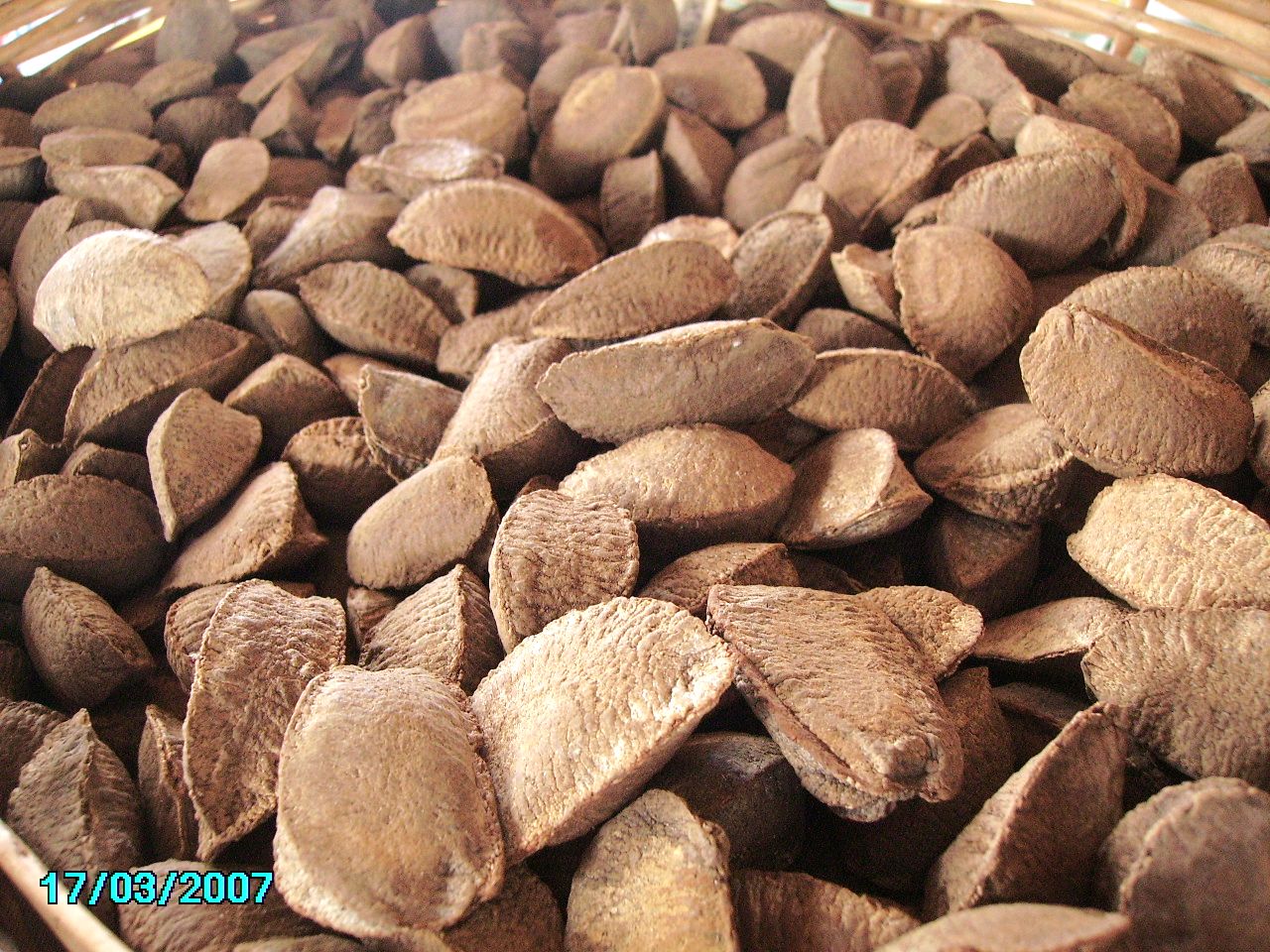
Food intake varies with soil selenium and dietary pattern. Brazil nuts can contain especially large and variable amounts, while seafood, meats, eggs, grains, and dairy foods also contribute. A multivitamin, stand-alone pill, and high-selenium foods can quietly stack, so label math matters more than the number of products.
Large cancer-prevention trials changed the story
Early observational findings and secondary analyses suggested selenium might reduce prostate-cancer risk. The Selenium and Vitamin E Cancer Prevention Trial, or SELECT, directly tested that idea in 35,533 relatively healthy men. Participants received selenium, vitamin E, both, or placebos.
The initial report found that 200 micrograms per day of selenium as selenomethionine did not prevent prostate cancer. Longer follow-up likewise did not establish a protective selenium effect. The NIH Office of Dietary Supplements summarizes subsequent evidence as showing little to no effect of selenium supplementation on overall cancer incidence or mortality at commonly studied high doses.
Baseline status changes the risk-benefit question
A nutrient intervention is most likely to help when intake or status is inadequate. Adding selenium to an already sufficient diet may offer no advantage. NIH notes that a SELECT case-cohort analysis found no preventive effect in men with low baseline selenium and an increased risk of high-grade prostate cancer among men with higher baseline status who received selenium.
That does not mean normal dietary selenium causes cancer. It means high-dose supplementation should not be sold as universal insurance. Blood or nail selenium testing is not a routine wellness requirement, but people considering supplementation for a diagnosed condition should discuss whether deficiency is plausible and whether a clinician has a specific reason to measure status.
Excess intake has recognizable harms
Chronically high selenium intake can cause selenosis. Signs may include hair and nail brittleness or loss, garlic-like breath, a metallic taste, skin rash, nausea, diarrhea, fatigue, irritability, and nervous-system abnormalities. Very high exposures can cause severe toxicity.
The adult tolerable upper intake level in U.S. guidance is 400 micrograms per day from all sources, though staying below an upper limit does not prove that a supplement is useful. A product providing 200 micrograms already supplies several times the adult recommended dietary allowance of 55 micrograms before food is counted.
How to read thyroid and men’s-health claims
Selenium-dependent enzymes participate in thyroid hormone metabolism, but that biochemical fact does not show that extra selenium will improve symptoms or laboratory values in a selenium-sufficient person. Thyroid symptoms overlap with sleep problems, depression, anemia, medication effects, and other conditions, so self-treatment can delay a useful evaluation.
For men’s health, SELECT is a direct warning against converting an antioxidant theory into a prostate-cancer prevention claim. Check the total daily micrograms from every product, avoid assuming that a Brazil-nut habit is precisely dosed, and use supplementation for a defined nutritional or medical reason rather than a broad promise of protection.
Count sources before adding a stand-alone product
Review the Supplement Facts panels on multivitamins, thyroid blends, fertility products, and antioxidant formulas. Selenium may appear as selenomethionine, sodium selenite, selenium-enriched yeast, or another form. Add the micrograms across products, then consider frequent high-selenium foods rather than treating each source as isolated.
A clinician may recommend selenium in a defined setting, but that is different from routine prevention. Do not use the upper limit as a daily target, and do not assume that changing chemical forms avoids excessive total intake. If hair, nail, gastrointestinal, or neurologic symptoms appear during high intake, stop self-escalation and seek medical advice.
Pregnancy, kidney disease, cancer treatment, and complex thyroid care create additional reasons to avoid self-prescribing. A registered dietitian or clinician can assess diet and the medical goal before a high-potency product is added to an already sufficient intake.
Sources & further reading
This article provides educational information. Ask a qualified clinician or pharmacist about your symptoms, medical conditions, medicines and supplement interactions.