Vitamin B12 for energy: deficiency treatment is different from an energy boost
Vitamin B12 deficiency can cause fatigue and neurologic harm, but extra B12 does not reliably improve energy in people with adequate status. Review testing and treatment.

Vitamin B12 treats deficiency; it is not a general stimulant. People with adequate B12 status should not expect injections or high-dose pills to create extra energy or endurance.
B12 is essential, but it is not caffeine
Vitamin B12 supports DNA synthesis, red-blood-cell formation, and neurologic function. Deficiency can cause megaloblastic anemia, fatigue, palpitations, numbness, balance problems, cognitive changes, and infertility. Neurologic injury can occur even without anemia.
Because deficiency causes fatigue, marketing reverses the logic and presents extra B12 as an energy enhancer for everyone. Restoring a missing nutrient and pushing an adequate level higher are different interventions. The first can be essential treatment; the second has not shown a dependable stimulant effect.

NIH finds no performance benefit when status is sufficient
The NIH Office of Dietary Supplements states that B12 supplementation does not appear to improve athletic performance or endurance in people with adequate B12 status. Energy metabolism on a biochemistry diagram does not mean more intake creates more usable energy once enzyme needs are met.
Fatigue has many causes, including sleep loss, anemia from other sources, thyroid disease, infection, depression, medication effects, heart or lung disease, and overtraining. A B12 shot can create a strong expectation effect while the underlying problem remains.
A placebo-controlled fatigue trial was negative
A randomized double-blind trial gave 1,000 micrograms of oral B12 daily or placebo for eight weeks to 95 people with IBS or inflammatory bowel disease, disabling fatigue, and normal B12 blood levels. B12 did not improve the primary fatigue outcome, depression, or quality of life compared with placebo.
This population does not represent every fatigued adult, but it directly tested the surplus-supplement idea in people with normal measured status. The result argues against assuming a high dose will improve fatigue simply because the vitamin participates in normal metabolism.
Deficiency risk can exist despite adequate intake
Older age, pernicious anemia, gastric or intestinal surgery, Crohn disease, celiac disease, vegan diets without supplementation, metformin, and long-term acid-suppressing medicines can raise deficiency risk. Food-bound B12 absorption and absorption of free crystalline B12 are not identical.
Serum B12 is a starting marker, but borderline results may require methylmalonic acid or other context. Folate can correct the anemia while neurologic injury from B12 deficiency continues, so self-treating one vitamin without evaluation can obscure the picture.
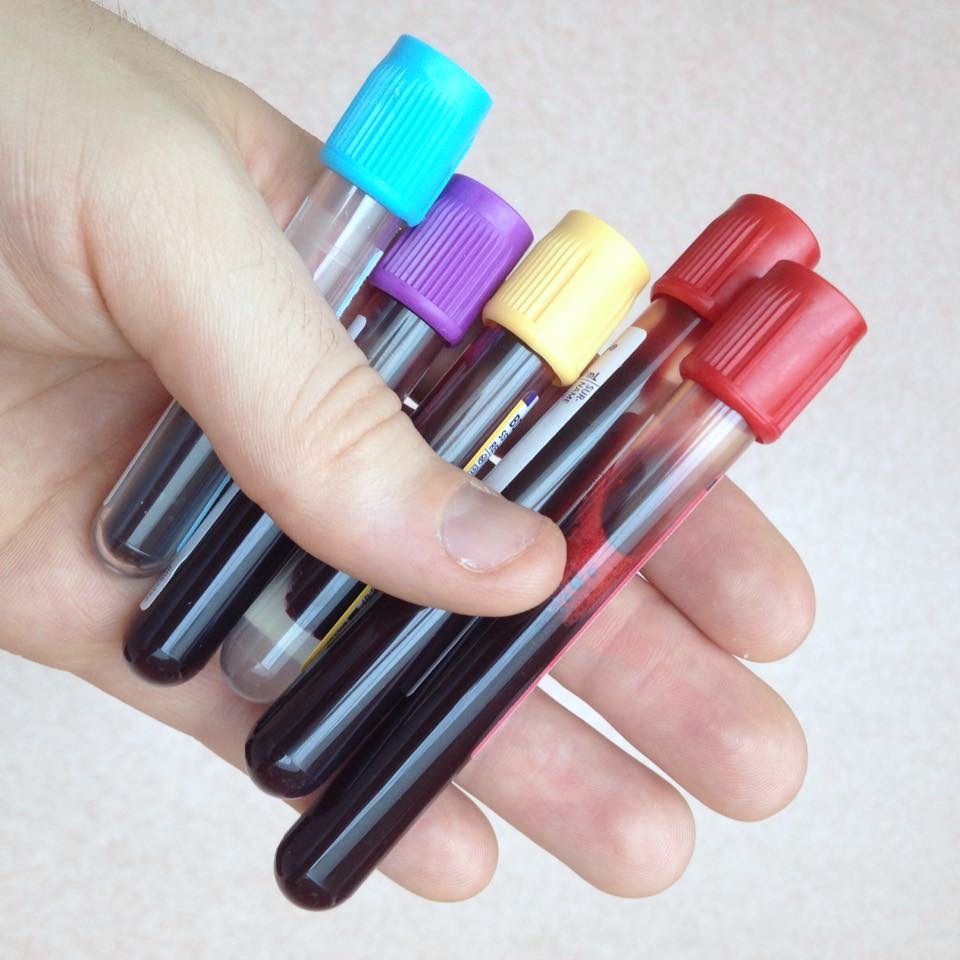
Oral treatment can work for many patients
A pragmatic randomized trial in older adults with deficiency compared high-dose oral B12 with intramuscular injections. More than 90% in both groups normalized levels by eight weeks. At one year, results were less clearly equivalent, highlighting the importance of regimen, adherence, cause, and follow-up.
Injections remain appropriate for severe deficiency, neurologic symptoms, unreliable absorption, or when a clinician needs rapid dependable replacement. Oral high-dose treatment may be suitable for others. The route should follow the cause and response, not the belief that an injection provides more energy.
Test the claim, not the feeling after a shot
Before treatment, document symptoms, diet, medicines, blood count, B12, and relevant confirmatory markers. After confirmed deficiency, track hematologic and neurologic response. Persistent fatigue after levels normalize should trigger a broader evaluation rather than endless dose escalation.
For people with adequate status, the evidence supports a simple message: more B12 is unlikely to create extra endurance or vitality. Use supplementation to prevent or correct deficiency in at-risk people, and investigate fatigue on its own merits.
Safety and dose still deserve attention
Vitamin B12 has no established tolerable upper intake level and is generally considered safe, but very high-dose products can still cause acne-like eruptions or interact with the interpretation of laboratory testing. The absence of a formal upper limit does not prove that megadoses provide additional benefit.
Combination energy injections may contain other vitamins or medications, making both effects and risks harder to attribute. Ask for the complete ingredient list, dose, route, sterility controls, and rationale. A bright urine color or high serum B12 after a shot shows exposure, not improved cellular energy or a solved fatigue cause.
When treatment is needed, the appropriate maintenance schedule depends on why deficiency developed and whether the cause persists. Follow-up prevents both undertreatment and unnecessary indefinite high-frequency injections.
Sources & further reading
This article provides educational information. Ask a qualified clinician or pharmacist about your symptoms, medical conditions, medicines and supplement interactions.