D-aspartic acid for lifters: check whether the participants resemble you
What studies in resistance-trained men add to D-aspartic acid claims and why more of an ingredient is not automatically a better strategy.
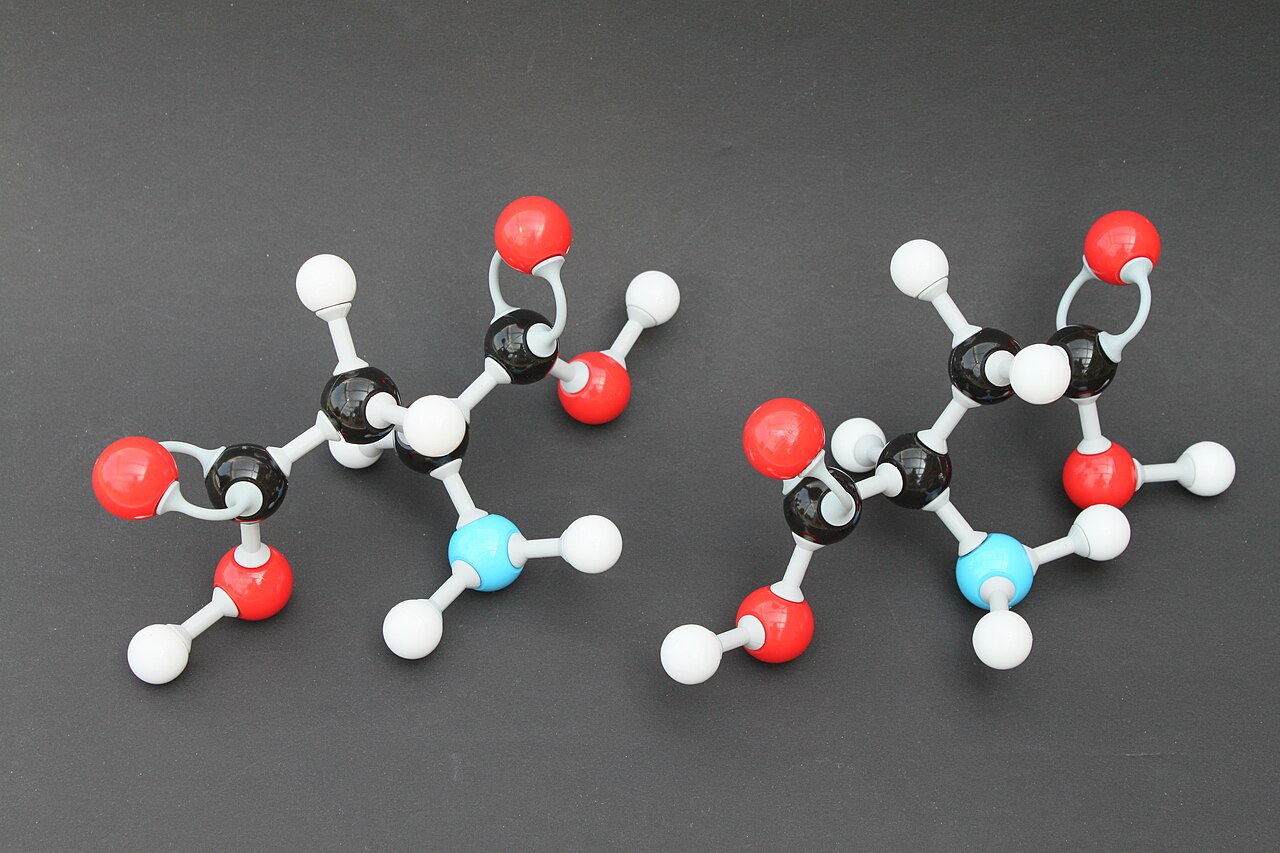
D-aspartic acid findings differ by study context. Trials in trained men do not support treating it as a dependable testosterone booster.
The population can change the question
D-aspartic acid is promoted in some products aimed at testosterone and training. Advertising may describe a biological role or cite a favorable early study, but the practical question for a lifter is more specific: what happened in people with a similar training background? A result in an untrained group cannot automatically establish the same effect in experienced resistance-trained adults.
This is not a technicality. Research participants may differ in baseline hormone levels, exercise exposure, health status, and supplement use. These factors shape the setting in which an intervention is tested. A study can be valid within its own design while offering limited guidance for another group. The comparison needs to be made before the result is translated into a performance promise.

Several trained-population studies are relevant
A 2013 trial reported that D-aspartic acid combined with 28 days of heavy resistance training did not improve body composition, muscle strength, or the measured serum hormones in resistance-trained men. A 2017 randomized trial examined supplementation over a three-month training period. These studies are directly relevant to the popular claim that the ingredient reliably improves a lifter's hormonal environment.
They also illustrate why a supplement review should not stop after finding one positive citation. The evidence set includes different populations, durations, and results. A good summary explains those differences and gives appropriate attention to studies that test the claim in its target audience. Repeatedly citing the earliest favorable result is not the same as updating the conclusion when later trials become available.
A larger amount is not necessarily a solution
A 2015 trial compared different D-aspartic acid amounts in resistance-trained men. The lower tested amount did not significantly affect several measured hormone outcomes, while the higher amount decreased total and free testosterone in that study. This finding does not establish a universal effect in every circumstance, but it directly undermines the assumption that simply taking more must produce a stronger desired result.
For consumers, the lesson is to avoid improvising an escalation strategy when a product does not deliver an expected change. A dose-response relationship must be demonstrated rather than assumed. More exposure can change both benefits and risks, and a failed marketing promise is not evidence that the label amount was too cautious. The trial context should guide interpretation, not a desire to rescue the advertisement.
Hormones and training outcomes need separate evidence
Even if a study reported a hormone change, that would not automatically demonstrate increased strength or muscle growth. Training studies often measure these outcomes directly because the relationship cannot be settled by a single laboratory value. A supplement marketed for physique improvement should have evidence for the practical outcome rather than relying solely on a mechanistic story.
Record the training program, comparison group, participant experience, and actual performance measures in the paper. Ask whether both groups trained similarly and whether the reported change exceeded the control group's change. If training improved strength in both groups, that does not establish an added supplement effect. A before-and-after transformation can be real while its commercial explanation remains unsupported.
A better purchase question
Instead of asking whether D-aspartic acid is a testosterone ingredient, ask which trial supports the current product's specific claim in the population it targets. Request the complete preparation and outcome data. If the evidence is inconsistent or does not match the user, that uncertainty should be part of the decision rather than hidden beneath a proprietary blend name.
This guide offers no supplementation schedule or diagnosis. People with symptoms or hormone concerns should discuss them with a health professional rather than using a training product as a diagnostic experiment. D-aspartic acid research shows why participant matching and full evidence review matter: a convincing pathway and an early signal do not guarantee a useful result for experienced lifters.
Sources & further reading
This article provides educational information. Ask a qualified clinician or pharmacist about your symptoms, medical conditions, medicines and supplement interactions.