High prolactin and low testosterone: when the pituitary is the missing part of the story
Elevated prolactin can suppress LH, FSH, testosterone, fertility, and sexual function. Learn the causes, repeat-testing issues, and why treating the cause matters.
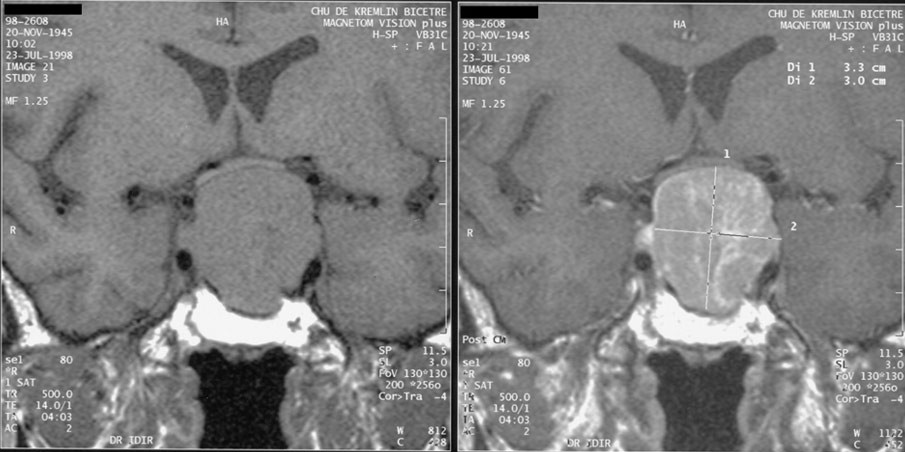
High prolactin can cause central hypogonadism by suppressing reproductive signaling. Medication review and pituitary evaluation may be more important than directly replacing testosterone.
Prolactin can suppress the reproductive signal
Prolactin is produced by the pituitary gland. When persistently elevated, it can reduce gonadotropin-releasing hormone and lower luteinizing and follicle-stimulating hormone. In men, the downstream effects can include low testosterone, reduced libido, erectile dysfunction, infertility, and bone loss.
This pattern is central hypogonadism: the testes are not receiving an adequate signal. A testosterone prescription can raise the blood level but may leave a medication effect, hypothyroidism, or pituitary tumor undiscovered. Cause-finding is therefore part of the diagnosis.
One elevated result may need confirmation
Stress from the blood draw, sleep, exercise, sex, and some laboratory factors can influence prolactin. A mildly elevated value may be repeated under standardized conditions. Laboratories may also check macroprolactin, a larger form that can raise the measured result without causing the usual biological effects.
Marked elevation, persistent symptoms, headache, or vision changes deserves prompt evaluation. Clinicians review thyroid function, kidney and liver health, and pregnancy where relevant, then decide whether pituitary imaging is indicated. The absolute level and the clinical picture help guide urgency.
Medicines are a common cause
Antipsychotics, some antidepressants, anti-nausea drugs, opioids, and other medicines can raise prolactin by altering dopamine signaling. Do not stop a psychiatric or other prescription abruptly to change a lab value. Withdrawal, relapse, or loss of symptom control may be more dangerous than the hormone abnormality.
The prescriber can assess whether dose adjustment, substitution, monitoring, or targeted endocrine treatment is appropriate. A complete list should include injections, long-acting medicines, supplements, and nonmedical drugs because the cause may be missed when each clinician sees only part of the regimen.
Prolactinomas often respond to dopamine agonists
A prolactinoma is a pituitary tumor that secretes prolactin. Dopamine agonists such as cabergoline usually lower prolactin and shrink the tumor. In a prospective 24-month study of men with prolactinomas, prolactin normalized in most participants, tumors shrank substantially, and testosterone normalized in about 60%.
A newer cohort found gonadal recovery continued over time, reaching roughly half of affected men by one to two years. Larger tumors and very low testosterone predicted slower or incomplete recovery. These observational results support treating the source first while individualizing when direct testosterone replacement is needed.
Fertility and vision change the plan
Men trying to conceive need semen and fertility goals considered before testosterone therapy because external testosterone suppresses sperm production. Gonadotropin treatment or observation during prolactin control may be more appropriate in selected cases under specialist care.
New peripheral-vision loss, double vision, severe headache, vomiting, or neurologic symptoms can signal pituitary mass effect or another emergency and warrants urgent assessment. A routine supplement approach is inappropriate when a lesion near the optic pathways is possible.
Read LH and FSH with testosterone
Low testosterone with low or inappropriately normal LH and FSH points toward the pituitary or hypothalamus rather than primary testicular failure. Prolactin is one part of that evaluation, alongside medical history, other pituitary hormones, iron status, and imaging when indicated.
The practical takeaway is diagnostic: not every low testosterone result should trigger the same treatment. When prolactin is high, correcting the cause can restore testosterone, sexual function, and fertility while treating a pituitary condition that a testosterone-only approach could conceal.
Do not chase prolactin with supplements
Vitamin B6, herbs, and products marketed as dopamine boosters are sometimes promoted for lowering prolactin. They do not replace evaluation for a medication effect, hypothyroidism, kidney disease, macroprolactin, or a pituitary mass. High-dose vitamin B6 can itself cause nerve injury, and supplement combinations can complicate psychiatric care.
Cabergoline and bromocriptine are prescription drugs with established roles but require dosing and monitoring for adverse effects and tumor response. The successful treatment is the one matched to the cause. Lowering a laboratory value without establishing why it is high can delay the diagnosis that matters most.
Repeat measurement and cause-specific treatment are more reliable than attempting to suppress the number independently.
Sources & further reading
This article provides educational information. Ask a qualified clinician or pharmacist about your symptoms, medical conditions, medicines and supplement interactions.