Myogentra Review: Botanical Support, Clear Daily Dosing, and the Testosterone Evidence
Explore Myogentra’s fenugreek, long jack, KSM-66, minerals, current pricing, and the research behind its testosterone-support positioning.
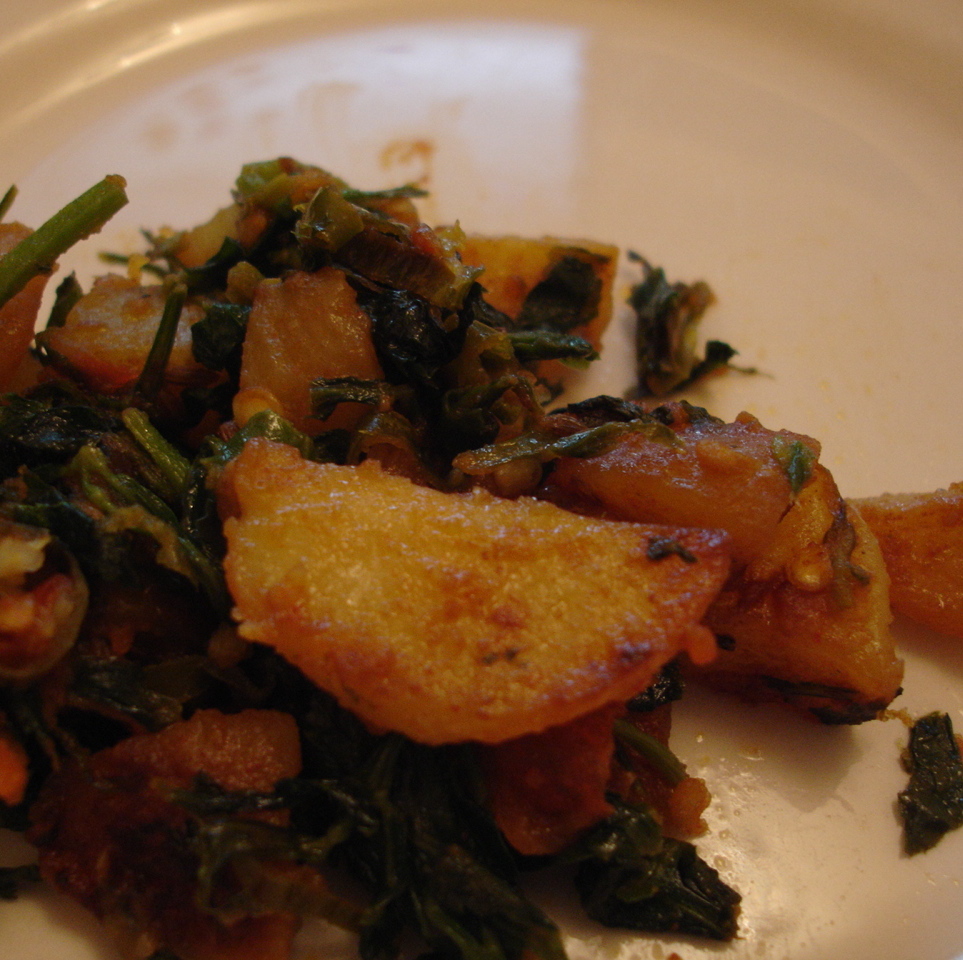
Myogentra combines several familiar men’s wellness ingredients in one capsule; its appeal is convenience, while its exact hormone and absorption claims need finished-formula evidence.
A convenient formula with a recognizable ingredient story
Myogentra brings together several ingredients familiar to readers of testosterone-support research: fenugreek, long jack, ashwagandha, zinc, magnesium, and vitamin B6. The appeal is easy to understand. Instead of buying several separate products, the customer receives a daily capsule with multiple components aimed at men's wellness. That combination can make a supplement routine simpler to organize and easier to compare with the practical demands of a busy day.
For a publication devoted to testosterone, the interesting question is how closely the supplied formula connects with the research behind those ingredients. A credible review should consider the current label, the type and quantity of each extract, and the actual outcomes measured in trials. Myogentra has an engaging ingredient lineup, but a familiar ingredient name is the beginning of that assessment. It does not by itself establish that the finished capsule produces a particular hormone increase or delivers the same result as a differently dosed research preparation.

What is in the posted serving
The official Supplement Facts image lists one capsule per serving and 30 servings per container. Its individually listed botanical ingredients are 150 milligrams of fenugreek extract, 135.50 milligrams of long jack extract, and 75 milligrams of KSM-66 ashwagandha root. It also lists 41.50 milligrams of magnesium as magnesium oxide, 7.50 milligrams of zinc as zinc oxide, and 2.50 milligrams of vitamin B6 as pyridoxine hydrochloride. Those quantities provide a more useful foundation for comparison than a general statement that the formula contains clinically researched ingredients.
There is also a 325-milligram combined blend containing multiple additional ingredients. These include arginine, tribulus, horny goat weed, tongkat ali, maca, saw palmetto, citrulline, Butea superba, muira puama, damiana, Xanthoparmelia, and rhodiola. Individual amounts within that blend are not disclosed. Consequently, the presence of a particular botanical does not tell the reader how much of it the capsule provides or whether that amount matches an intervention studied elsewhere.
Fenugreek gives the formula a clear research connection
Fenugreek is one of the more recognizable ingredients in the testosterone-support category. In a randomized trial by Rao and colleagues, 120 men aged 43 to 70 received either a specific fenugreek preparation or placebo over 12 weeks. The tested preparation was Testofen at 600 milligrams daily. The researchers examined hormone and sexual-function outcomes, making the study directly relevant to why fenugreek is discussed in men's wellness products.
Myogentra's posted label lists 150 milligrams of an extract standardized to 50 percent fenusides. That information is helpful, but it does not establish equivalence to the trial's preparation and dose. Extract composition, administered quantity, population, and study length all matter. The positive way to read this evidence is that fenugreek has been investigated in humans for relevant questions. The precise boundary is that the trial does not demonstrate a specific testosterone increase from Myogentra's 150-milligram serving or from the complete multi-ingredient formula.
Long jack adds another botanical angle
Long jack, also known as Eurycoma longifolia, is included as a separately quantified extract on the label. A randomized trial by Ismail and colleagues investigated a particular Eurycoma preparation in men over 12 weeks, using 300 milligrams daily. Its outcomes included measures relevant to men's quality of life and sexual well-being. This illustrates the type of research that makes the ingredient interesting beyond its reputation in traditional use.
The Myogentra label's 135.50-milligram listing is a different intervention. It also prints a particular standardization claim, but the reviewed materials did not independently establish how that extract compares chemically with the trial preparation. Buyers can appreciate having a named and quantified botanical while still asking a precise question: what evidence supports this extract at this amount in this combination? That question helps separate a plausible ingredient rationale from a verified effect of the product being ordered.
KSM-66 is familiar, but dose comparisons remain important
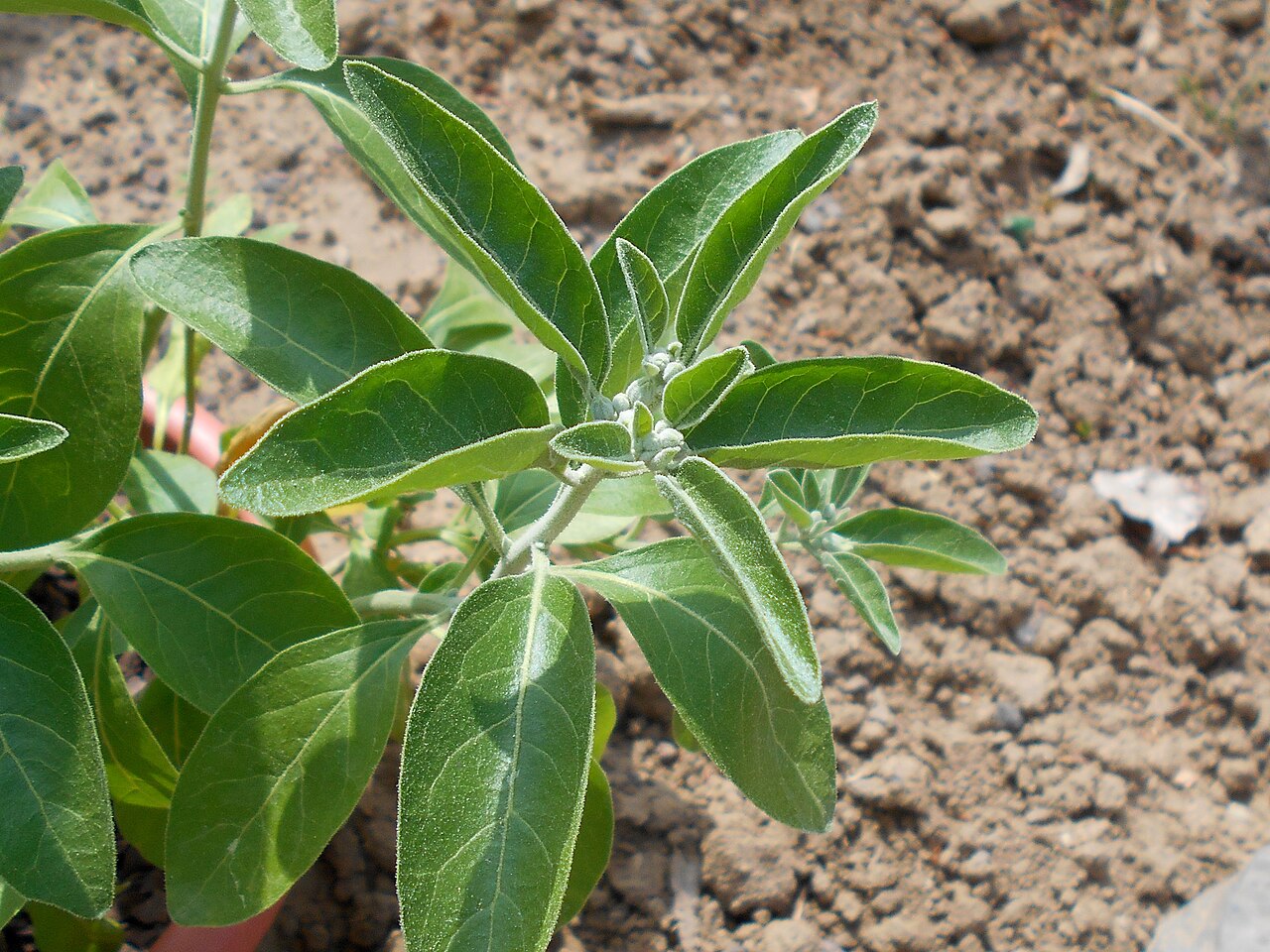
Ashwagandha is another reason Myogentra may attract attention from men interested in both activity and everyday well-being. A randomized resistance-training study by Wankhede and colleagues used 300 milligrams of an ashwagandha root extract twice daily for eight weeks. It reported differences in several strength, body-composition, recovery, and testosterone outcomes alongside the training program. This is a more informative basis for discussion than assuming that all ashwagandha products have identical effects.
Myogentra lists 75 milligrams of KSM-66 root per capsule. The study's total daily amount was 600 milligrams, so the dose comparison should be explicit. A buyer should not assume the capsule reproduces the training trial, and increasing the number of capsules independently would also increase every other ingredient. The attractive feature here is the inclusion of a recognizable botanical in a simple formula. The evidence supports interest in the category, while leaving the finished product's size of effect unresolved.
Hormone changes and feeling better are different questions
A separate randomized study by Lopresti and colleagues examined an ashwagandha preparation in overweight men aged 40 to 70 with mild fatigue. Researchers reported differences in certain hormone measures, including testosterone and DHEA-S, but did not find clear corresponding between-group advantages across the reported vitality and mood outcomes. The tested extract was different from the KSM-66 amount on Myogentra's label. These details matter because a hormone result is often presented as if it automatically means a noticeable improvement in daily life.
For the reader, the practical lesson is that laboratory values and lived experience deserve separate attention. Energy, motivation, training progress, sexual interest, and sleep can change for many reasons. No single sensation provides a reliable personal testosterone test. Myogentra may fit someone's preference for a botanical-based routine, but it should not be used as a way to self-diagnose a hormone deficiency or to infer a measured change from how a particular week feels.
Understanding the company's headline claims
The sales materials use strong claims about free testosterone and absorption, including a 34 percent free-testosterone increase and a sixfold uptake message. Those figures are company marketing claims. In the materials reviewed for this assessment, a matching controlled trial of the finished Myogentra formula and a matching human pharmacokinetic study establishing the uptake comparison were not located. The stated numbers should therefore not be presented as independently established outcomes a buyer can expect.
This distinction is especially important for free testosterone. A percentage change needs context: the population studied, starting values, assay method, comparison group, treatment duration, and whether the result was clinically meaningful. An absorption comparison likewise needs a clearly defined comparator and measurement method. The formula can still be considered for its verified ingredients and convenience, but an exact numerical promise requires more product-specific documentation than an ingredient list and a collection of research references.
How to use the mineral information constructively
Zinc, magnesium, and vitamin B6 give the capsule a nutritional component alongside its botanicals. The label provides their chemical forms and serving quantities, which helps a customer compare Myogentra with other supplements already in use. A quantified mineral amount is more useful than a vague promise to optimize male hormones. It lets someone identify overlapping products and understand what the capsule actually adds to their daily intake.
These minerals should not be framed as automatic testosterone multipliers for every man. Nutritional status and the reason for supplementation matter. The label also does not turn Myogentra into a replacement for a varied diet. For a buyer who already takes a multivitamin or a separate zinc supplement, reviewing the combined labels is a practical step before ordering. The benefit of that exercise is a more intentional routine, with fewer redundant purchases and a clearer understanding of the formula's role.
A daily habit that is easy to maintain
The single-capsule format is one of the product's most straightforward strengths. It avoids mixing powders and reduces the number of separate bottles someone might otherwise consider for the same ingredient list. A 30-serving bottle also gives the purchaser a clear replenishment schedule. These features can be meaningful for a person whose main obstacle is maintaining a consistent routine rather than finding an ever larger ingredient stack.
Consistency should not be confused with an assurance of a cumulative hormone effect. A 30-, 60-, or 90-day supply indicates how much product is included, not the time at which a benefit must appear. The sensible approach is to follow the supplied directions and assess the purchase against a clearly defined goal. If the goal is investigation of possible testosterone deficiency, that process belongs with an appropriate clinical assessment rather than with a supplement calendar or a marketing timeline.
Who should confirm the formula before buying
The posted label contains information that is especially relevant to buyers with dietary preferences. The shop uses vegan-friendly and no-dye language, while the visible label lists gelatin and several color additives. That discrepancy means a reader should confirm the actual supplied capsule ingredients rather than assuming it is vegan or free of added colors. It is a concrete product question that customer support should be able to answer with a current bottle image.
Individual health context matters as well. The NIH's ashwagandha guidance discusses considerations involving thyroid conditions, autoimmune disease, liver concerns, certain medications, and hormone-sensitive prostate cancer. A man in one of those situations can have the actual label reviewed before adding the product. Keeping this discussion specific is more useful than treating every botanical as either universally safe or automatically unsuitable. The aim is a good fit between the actual formula and the person who plans to use it.
Comparing the supply choices and price
The reviewed shop displays a one-bottle, 30-day supply at $79.95, a two-bottle, 60-day supply at $139.95, and a three-bottle, 90-day supply at $179.95. On those cards, the approximate bottle costs are $79.95, $69.98, and $59.98. The increasing supply sizes therefore show a lower per-bottle figure, which is useful for customers comparing the cost of a longer routine.
The page also presents a separate one-time-purchase button at $99.95. Because these displays do not all show the same price, the final selected offer and purchase type need confirmation at checkout. The terms also discuss subscriptions for customers who enroll in them. A buyer should read the actual order summary rather than assuming that a supply card, a one-time button, and a subscription arrangement are interchangeable. A clear total cost makes the attractive bundle structure easier to evaluate.

Making the guarantee work as a real purchase term
Myogentra's shop promotes a 30-day satisfaction guarantee, while the reviewed terms and return policy describe 90 days. That is a meaningful difference for a person deciding how much supply to buy. Confirming which period applies to the selected order is preferable to guessing that the longer headline automatically controls. It also helps to keep the order confirmation and the relevant written answer if a guarantee influences the decision.
The return policy describes contacting support first and generally places return postage on the customer unless the seller made an error. Shipping charges are not refunded, and the stated processing window follows receipt and review of the return. These details do not erase the appeal of a satisfaction policy; they explain how to evaluate it accurately. A useful guarantee has a defined period, eligible products, a request process, and understandable costs, rather than functioning only as reassuring language near a purchase button.
Choose the comparison that answers your question
A useful comparison begins with the reason for shopping. Someone who wants a small daily botanical routine may place the greatest value on serving convenience and a readable label. Someone who specifically wants a studied testosterone intervention needs a closer match between product, dose, extract, and trial. Those priorities can lead to different purchasing decisions without either reader being unreasonable. Myogentra is easiest to assess when those goals are stated clearly. Its multi-ingredient format is a tangible feature; a prediction about a laboratory result requires additional evidence. Keeping both ideas visible allows the buyer to enjoy the convenience proposition while asking appropriately precise questions about the hormonal claims.
A worthwhile formula to consider with evidence in focus
Myogentra's strongest case is a convenient combination of recognizable men's wellness ingredients, several clearly listed botanical amounts, and a straightforward daily capsule. Fenugreek, long jack, and ashwagandha each have human research that makes the formula more interesting to examine than a product supported only by anonymous testimonials. The current supply options also give buyers a concrete way to compare unit costs if they decide the product matches their priorities.
The appropriate expectation remains product-specific. Existing ingredient studies do not establish Myogentra's advertised percentage increase in free testosterone, its absorption multiple, or a guaranteed change in vitality. Confirming the supplied label, the exact checkout offer, and any relevant personal suitability questions puts the decision on a firmer footing. For a man who values an organized botanical and mineral routine, that is a positive, practical basis for consideration without turning promising ingredient research into a claim the finished product has not demonstrated.
Sources & further reading
- Myogentra official product page ↗
- Myogentra official Supplement Facts image ↗
- Rao et al.: Testofen randomized trial ↗
- Ismail et al.: Eurycoma longifolia randomized trial ↗
- Wankhede et al.: Ashwagandha strength and recovery trial ↗
- Lopresti et al.: Ashwagandha hormonal and vitality trial ↗
- NCCIH: Ashwagandha ↗
- Baseline-Men terms and conditions ↗
- Baseline-Men return policy ↗
This article provides educational information. Ask a qualified clinician or pharmacist about your symptoms, medical conditions, medicines and supplement interactions.