After anabolic steroids: testosterone recovery is variable, and post-cycle claims outrun evidence
Anabolic steroids can suppress LH, FSH, testosterone, sperm production, mood, and sexual function. Review recovery timelines and the limits of post-cycle therapy evidence.
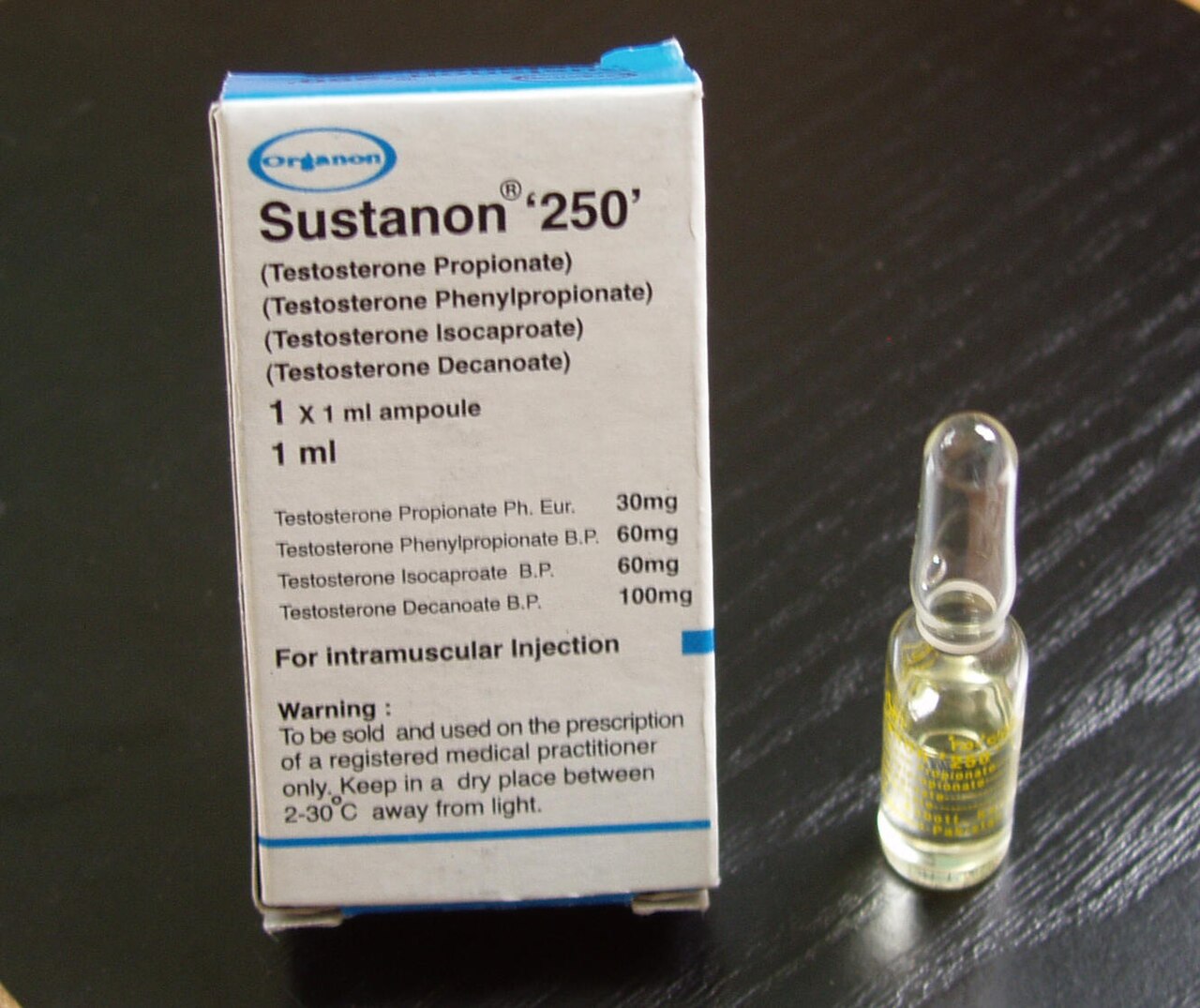
Many men recover reproductive hormone function after stopping anabolic-androgenic steroids, but timing varies and symptoms can persist. Evidence for self-directed post-cycle drug regimens is weak.
External androgens switch down the body’s own signaling
Anabolic-androgenic steroids activate androgen pathways at doses and combinations that can greatly exceed medical replacement. The hypothalamus and pituitary respond by reducing gonadotropin-releasing hormone, luteinizing hormone, and follicle-stimulating hormone. Testicular testosterone and sperm production then fall, and the testes may shrink.
While using, blood testosterone or androgen activity can be very high even though endogenous production is suppressed. After stopping, the external signal disappears before the hypothalamic-pituitary-testicular axis necessarily recovers. That gap can bring fatigue, low libido, erectile changes, depressed mood, anxiety, and loss of training performance.
Recovery does not follow one calendar
A scoping review found that biochemical, physical, sexual, and psychological recovery follow different timelines. Testosterone often recovers over months, gonadotropins may normalize within several months, and sperm production and testicular size can take months to years. Age and the degree and duration of androgen exposure influence the course.
The evidence base is largely observational and includes people using different compounds, doses, cycle lengths, and additional drugs. Some studies recruit clinic patients with persistent problems, while others recruit community users. Those differences make a single promise such as “fully recovered in 12 weeks” scientifically indefensible.
A 2026 position statement emphasizes uncertainty
The Society for Endocrinology’s 2026 position statement says most men appear to achieve biochemical recovery within roughly 12 months, but timelines vary substantially and some develop persistent hypogonadism. Mood, fatigue, anxiety, and sexual dysfunction may continue even after laboratory recovery and can reflect psychological as well as hormonal factors.
The statement also finds limited, low-quality evidence for pharmacologic recovery strategies involving gonadotropins, selective estrogen-receptor modulators, aromatase inhibitors, or testosterone. That is not proof that none can help a selected patient. It is a warning that routine, self-directed protocols are ahead of robust outcome evidence.
Post-cycle therapy is not a standardized treatment
In a retrospective clinic study of 641 men, self-reported post-cycle therapy was associated with faster short-term biochemical recovery among some recent users. The design cannot establish that the drugs caused recovery: users selected their own regimens, exposures were not randomized, and the outcome was a single hormone snapshot rather than long-term symptoms, fertility, or safety.
Products sold as PCT may contain prescription drugs, undeclared ingredients, or inaccurate doses. Clomiphene, tamoxifen, human chorionic gonadotropin, and aromatase inhibitors have different actions and risks. Combining them without diagnosis and monitoring can create visual, mood, clotting, estrogen, liver, or fertility problems while obscuring the natural recovery course.
Withdrawal can require urgent support
Severe depression, suicidal thinking, agitation, or inability to function deserves urgent medical help. In one study of former long-term users, major depressive episodes during withdrawal were reported by a substantial minority. Hormone normalization does not guarantee that psychiatric symptoms will resolve on the same schedule.
Clinicians should also assess blood pressure, hematocrit, lipids, liver injury, cardiac symptoms, fertility, and other substances. Honest disclosure of every androgen and ancillary drug improves care. A nonjudgmental clinician can evaluate risk without endorsing nonmedical use.
A defensible recovery plan
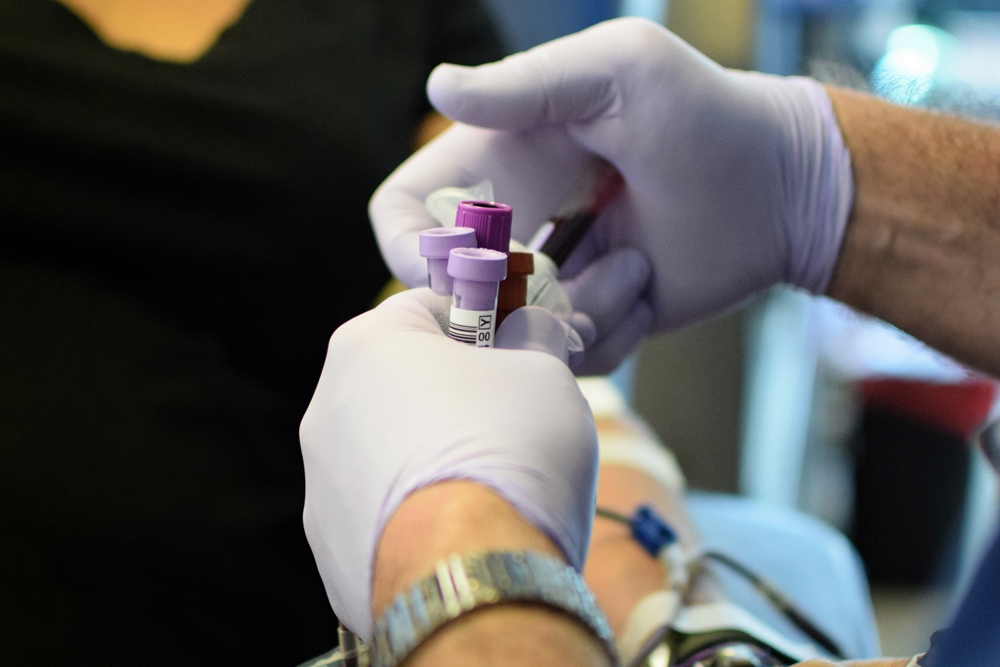
The first step is stopping additional unregulated androgen exposure with appropriate medical support, not adding a mystery booster. Record compounds, approximate doses, dates, and symptoms. Properly timed testosterone, luteinizing hormone, follicle-stimulating hormone, estradiol, blood counts, lipids, and semen testing may be selected based on the clinical question.
Recovery decisions should account for fertility goals and symptom severity. Some men can be observed; others need endocrine, reproductive-urology, cardiac, or mental-health care. The honest message is hopeful but not absolute: recovery is common, persistent problems occur, and evidence-based follow-up is safer than a fixed internet protocol.
Repeated laboratory testing should be timed to a decision, not used compulsively every few days. Hormone values fluctuate, and symptoms may lag behind biochemical recovery. Agreeing on a follow-up interval and the findings that would change management can reduce anxiety while still identifying persistent suppression or another diagnosis.
Sources & further reading
- Management of non-medical androgen use: Society for Endocrinology position statement ↗
- Physical, psychological and biochemical recovery from anabolic steroid-induced hypogonadism: scoping review ↗
- Factors predicting normalization of reproductive hormones after cessation of anabolic-androgenic steroids ↗
- Prolonged hypogonadism following withdrawal from anabolic-androgenic steroids ↗
This article provides educational information. Ask a qualified clinician or pharmacist about your symptoms, medical conditions, medicines and supplement interactions.