Ashwagandha and testosterone: small trials, different extracts, real safety questions
Some trials report testosterone changes with ashwagandha, but extracts differ and long-term safety is unclear. Here is how to read the evidence cautiously.
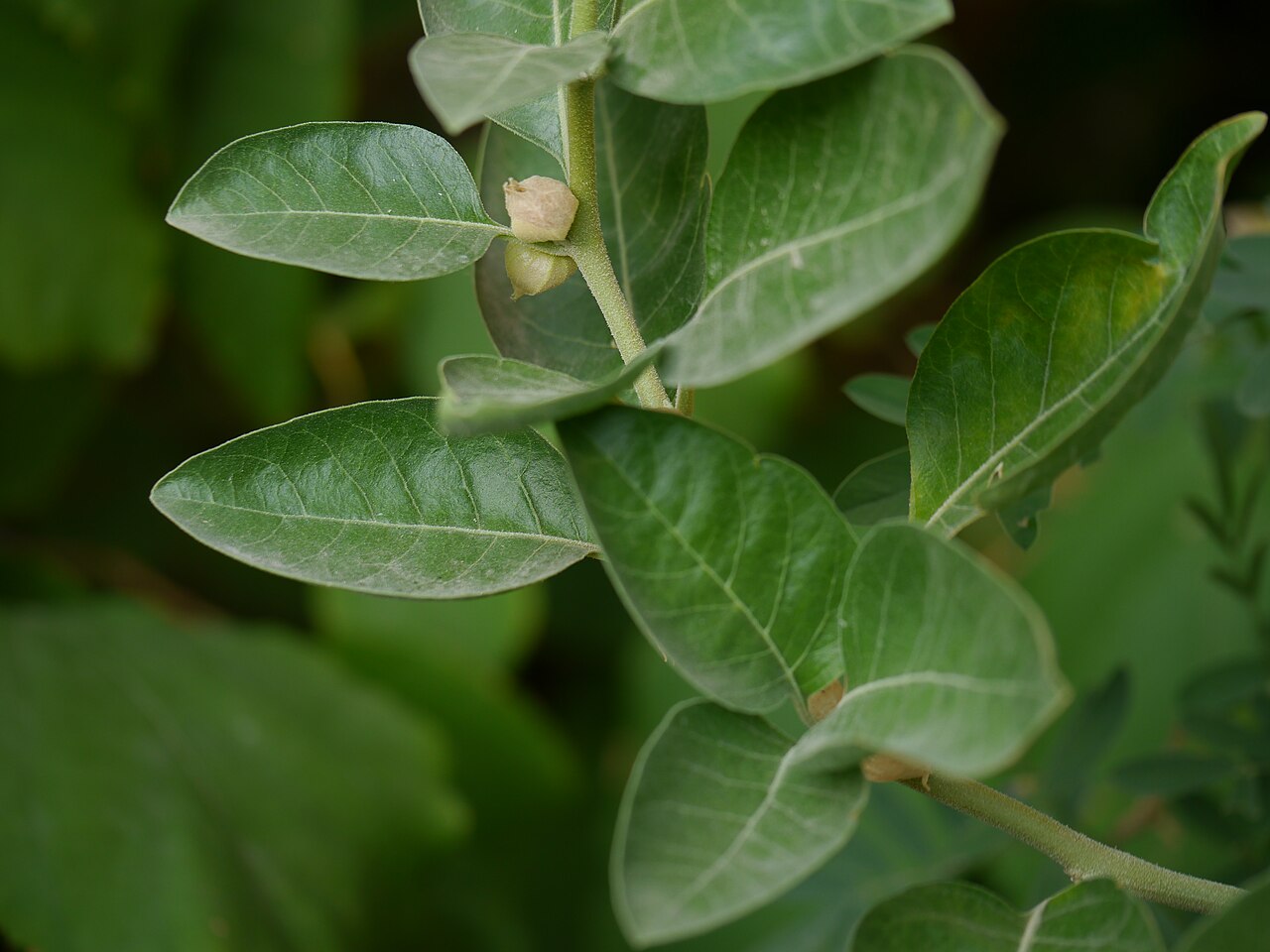
Limited studies suggest some ashwagandha preparations may raise testosterone in certain men, but the evidence does not establish a universal effect, a treatment for hypogonadism, or long-term safety.
The ingredient name is not the intervention
Ashwagandha studies do not all test the same product. Researchers may use root, root-and-leaf, water, or alcohol extracts with different withanolide profiles and doses. A result from one standardized extract cannot automatically validate every capsule labeled Withania somnifera, especially when the commercial label does not match the studied preparation.
The National Center for Complementary and Integrative Health says limited evidence suggests that taking ashwagandha for two to four months may increase testosterone and sperm quality. The word limited is doing important work. Many trials are small, brief, and conducted in selected populations rather than men with clinically diagnosed hypogonadism.
What selected trials found
An eight-week randomized, double-blind trial enrolled 50 adult men reporting lower sexual desire. The tested root extract was associated with a greater increase in testosterone and questionnaire scores than placebo. The sample was small, the treatment period was short, and the population was defined by desire rather than a confirmed endocrine diagnosis.
A separate crossover trial in aging, overweight men reported a greater rise in salivary testosterone and DHEA-S with a standardized extract. It did not find significant between-group differences in fatigue, vigor, cortisol, estradiol, or measures of sexual and psychological well-being. That split between a laboratory measure and patient-centered outcomes is easy to miss in a product claim.
A newer review still found uncertainty
A 2026 systematic review and meta-analysis pooled randomized placebo-controlled trials that measured hormones. It reported an increase in testosterone among men, but the authors also emphasized heterogeneity and limited data for some outcomes. Pooling can improve precision, yet it cannot make dissimilar extracts, populations, and methods identical.
The result is best read as a research signal, not a prescribing rule. It does not establish that ashwagandha treats the causes of hypogonadism, improves fertility, or produces meaningful changes in strength, body composition, mood, or sexual function for every user. A statistically detectable hormone change is not automatically a clinical benefit.
Safety limits the booster narrative
NCCIH says ashwagandha may be safe for short-term use, up to about three months, while long-term safety is not known. Reported adverse effects include drowsiness, stomach upset, diarrhea, and vomiting. Rare cases have linked it with liver injury, and it may affect thyroid function or interact with medicines.
NCCIH advises avoidance in pregnancy and breastfeeding and says it is not recommended before surgery or for people with autoimmune or thyroid disorders. It also identifies potential interactions with diabetes and blood-pressure drugs, immunosuppressants, sedatives, anti-seizure medicines, and thyroid hormone. People with hormone-sensitive prostate cancer should avoid it because of possible testosterone effects.
A practical evidence check
Before buying, match the exact extract and dose to the cited study, check whether the participants resemble the intended user, and look for placebo-adjusted results rather than a change from baseline alone. Also ask whether the outcome was a hormone measurement or something the participant could feel or do. Third-party quality testing addresses identity and contamination, not effectiveness.
Someone with symptoms of low testosterone should not use an herbal trial as a substitute for properly timed repeat testing and evaluation of the cause. Ashwagandha remains an active research topic, but the current evidence supports cautious, product-specific language—not the claim that it reliably restores testosterone.
Stop rules are part of a responsible trial
Anyone who chooses to use ashwagandha should decide in advance what outcome is being tracked, how long the trial will last, and what symptoms will prompt stopping. New jaundice, dark urine, severe itching, unusual fatigue, persistent gastrointestinal symptoms, or signs of thyroid disturbance deserve medical attention rather than a dose adjustment based on internet advice.
Bring the bottle or a clear label photo to a pharmacist or clinician, especially when using prescription medicines. Report the botanical name, plant part, extract ratio, withanolide standardization, and daily amount. Those details are necessary to compare a commercial product with research and to assess interactions; the word ashwagandha alone is not enough.
Sources & further reading
- Ashwagandha: Usefulness and Safety — NCCIH ↗
- Randomized controlled trial of standardized ashwagandha root extract in adult males ↗
- Randomized crossover study of hormonal and vitality effects of ashwagandha in aging, overweight males ↗
- Hormonal Modulation with Withania somnifera: systematic review and meta-analysis ↗
This article provides educational information. Ask a qualified clinician or pharmacist about your symptoms, medical conditions, medicines and supplement interactions.