Fenugreek and testosterone: why “higher than baseline” is not the same as beating placebo
A close look at a fenugreek trial shows why comparison groups, sample type, and subjective outcomes belong in the headline.
A change from baseline does not establish a supplement effect. Compare the active group with placebo and read each hormone measure separately.
Two comparisons can tell different stories
A supplement study may report that a hormone increased from the start to the end of the trial. That sounds persuasive, but it does not by itself establish that the supplement caused the change. The key comparison in a placebo-controlled trial is what happened in the intervention group relative to the control group. Time, measurement variation, and other influences can affect both.
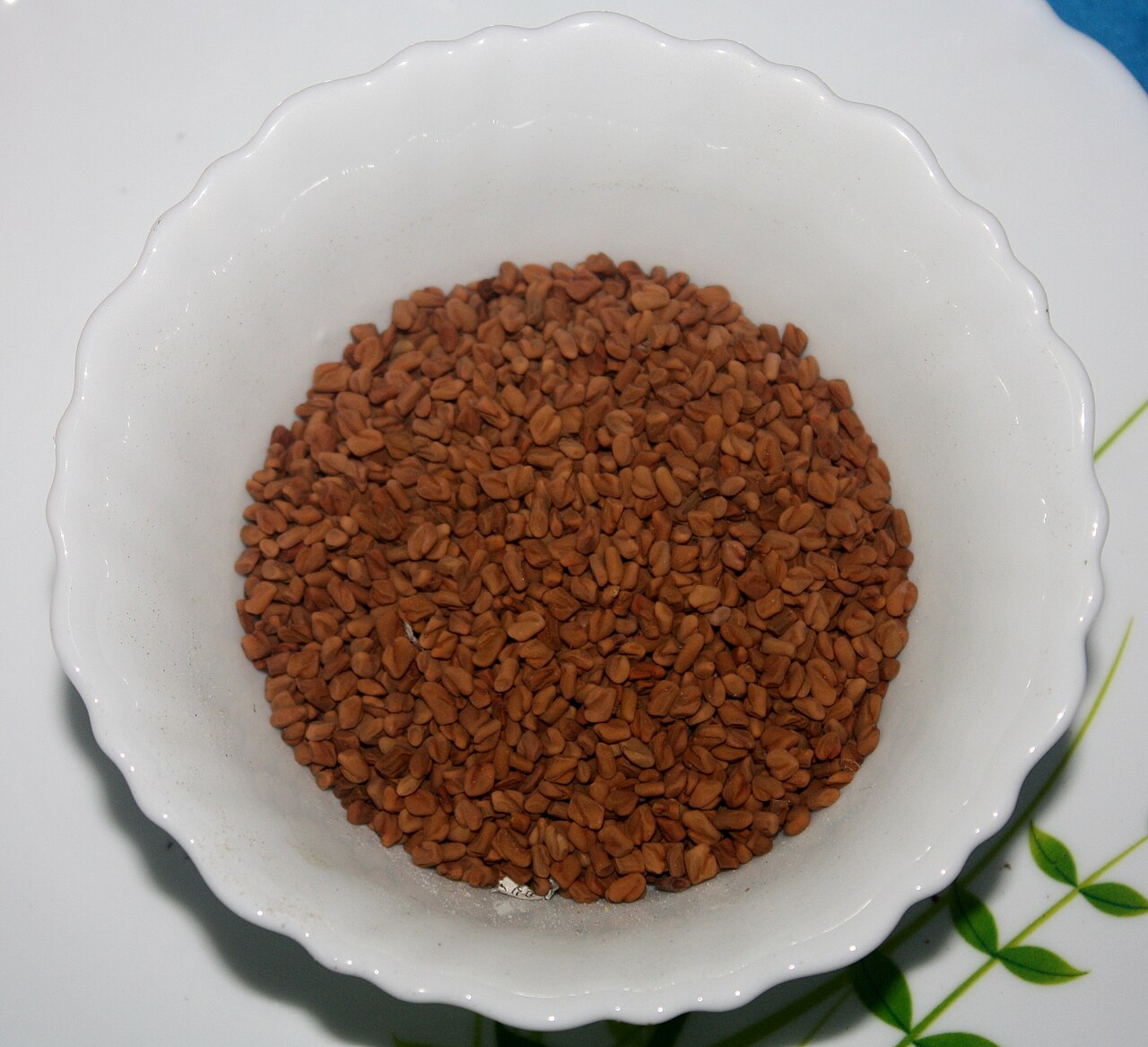
Fenugreek research provides a useful example. A 2024 randomized, double-blind study examined a named fenugreek extract over twelve weeks, with 95 men completing the intervention. The researchers measured testosterone in plasma and saliva and collected subjective information. A summary that simply says testosterone rose leaves out several decisions about which measure and which comparison the reader is being shown.
Look at the reported control comparison
The trial reported increases in plasma total testosterone and a free testosterone index relative to baseline when extract groups were considered together, but those comparisons were not statistically significant against placebo. Saliva testosterone did show an increase against placebo. The authors also reported no subjective effects. These details belong together because they constrain the clinical meaning of a favorable isolated number.
This does not mean that a statistically nonsignificant comparison proves there is no possible effect. It means the trial did not establish that particular difference using its analysis. Similarly, a significant result in saliva does not automatically settle every question about blood measurements or personal benefit. A fair headline identifies what changed and avoids presenting all hormone outcomes as one unified result.
Sample type is part of the outcome
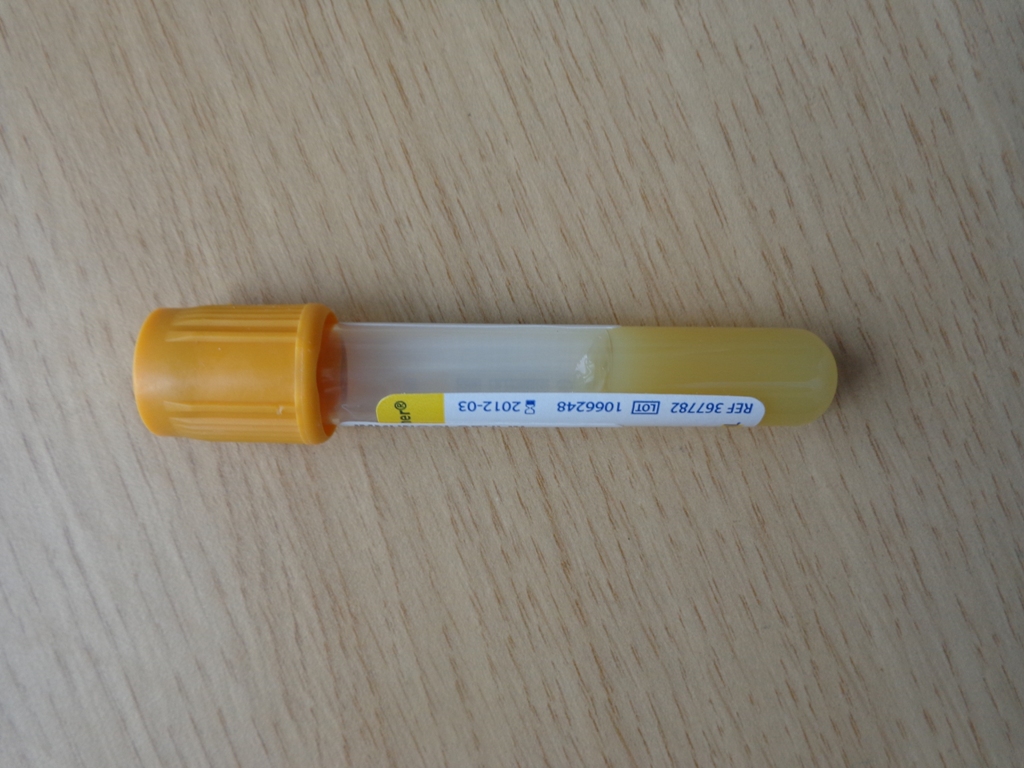
Plasma testosterone, saliva testosterone, and a calculated index are not interchangeable labels. The methods and interpretation differ. A paper may investigate several because researchers are exploring related but distinct aspects of hormone biology. Consumers should therefore be cautious when a sales page presents one result without naming the sample or implies that it represents every measure of testosterone.
When taking notes, write the sample type and the exact outcome beside the result. Include the comparison used and whether the finding was prespecified. This small record prevents a graph from losing its context when copied into an advertisement. If the seller cannot explain which result supports its claim, the evidence connection needs clarification before the claim is treated as established.
Also note when samples were collected, since consistent collection procedures are part of understanding a hormone comparison over time.
A named extract is not kitchen fenugreek
The intervention involved a specific extract and accompanying nutrients, not simply culinary fenugreek used as food. A retail preparation may have a different composition. The research cannot be transferred automatically on the basis of the plant name alone. Comparing the complete intervention with the complete label is therefore necessary even when the citation is genuine.
The paper also discloses commercial relationships and funding. Such disclosures do not invalidate a study, but they are part of its context and should be visible to readers. Look for independent replication, transparent methods, and consistency across relevant trials. A marketing page that presents a study as conclusive while omitting its preparation and limitations makes the evidence harder to assess accurately.
Turn the example into a reading habit
For any booster study, ask four questions before accepting the headline: which outcome, which comparison, which product, and which practical benefit? These questions are useful because they address common ways a real result can acquire a stronger commercial meaning than the paper supports. They also allow promising findings to remain visible without being turned into guarantees.
This guide does not recommend fenugreek or a hormone regimen. If you are concerned about symptoms or a test result, discuss them with a qualified health professional and bring the study and label. The fenugreek example shows that a careful summary can be more useful than a simple yes-or-no verdict. The strongest claim is the one that stays within the actual comparison.
Sources & further reading
This article provides educational information. Ask a qualified clinician or pharmacist about your symptoms, medical conditions, medicines and supplement interactions.