Testosterone therapy and fertility: why a higher blood level can lower sperm production
Exogenous testosterone can suppress LH, FSH, intratesticular testosterone, and sperm production. Review fertility planning, recovery uncertainty, and safer conversations.
Prescription testosterone can improve blood testosterone while suppressing the hormonal signals required for sperm production. Men planning fertility should raise that goal before treatment starts.
Blood testosterone and testicular testosterone are not the same
Sperm production requires very high testosterone concentrations inside the testes. Those local concentrations depend on signaling from the pituitary hormones luteinizing hormone and follicle-stimulating hormone. When testosterone is supplied from outside the body, the brain senses androgen exposure and reduces those signals through negative feedback.
A blood test can therefore rise into the target range while intratesticular testosterone and sperm production fall. This is the opposite of the common assumption that more testosterone must mean more fertility. Endocrine Society guidance recommends against starting testosterone therapy in men who are planning fertility in the near term.
Controlled studies demonstrate suppression
Researchers have deliberately studied testosterone as a potential male contraceptive. In one randomized dose study, weekly testosterone enanthate suppressed luteinizing hormone, follicle-stimulating hormone, and sperm counts in parallel. Higher doses did not reliably produce azoospermia in every participant, which means testosterone is not dependable contraception even though it can markedly reduce fertility.
Another randomized trial combined weekly testosterone with low-dose levonorgestrel and produced severe sperm suppression in most participants over six months. These trials were designed research protocols, not models for self-treatment. Their value here is mechanistic: external androgen exposure can strongly shut down the hormonal environment required for spermatogenesis.
Recovery after stopping is variable
A 2025 clinical review notes that sperm production often resumes after testosterone is stopped, but recovery can be slow and highly variable. Age, baseline testicular function, treatment duration, formulation, and previous androgen exposure may all matter. A population average cannot promise recovery by a particular month for an individual couple.
Some men need specialist management, and a minority may not recover promptly with observation alone. Reviews discuss gonadotropins, selective estrogen-receptor modulators, or aromatase inhibitors in selected cases, but several uses are off-label and evidence quality varies. An internet “post-cycle” protocol is not a substitute for a reproductive urologist or endocrinologist.
Fertility goals belong in the first visit
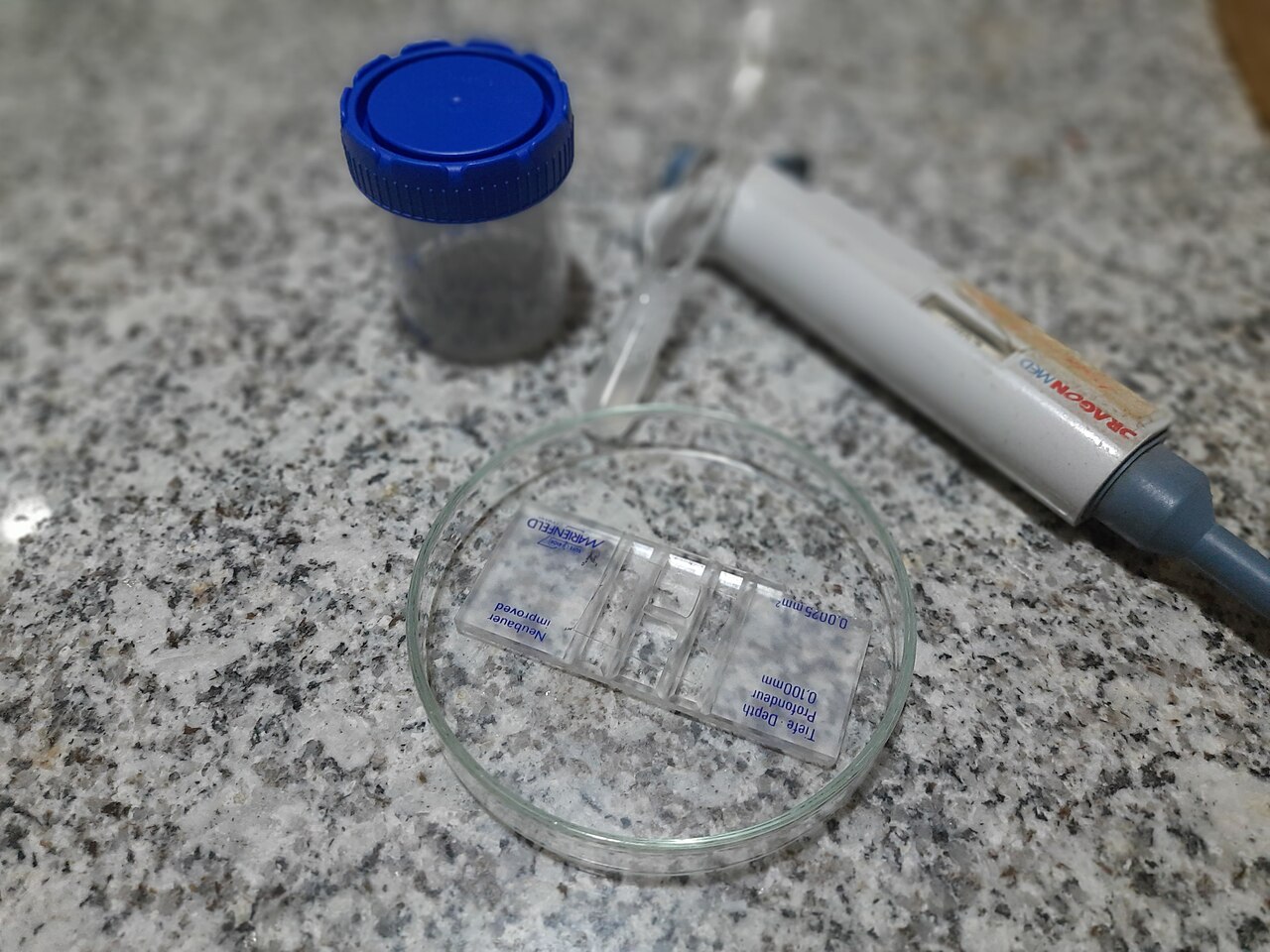
The relevant question is broader than whether someone is trying to conceive this month. Ask about plans over the next several years, prior pregnancies, testicular injury, chemotherapy, undescended testes, and earlier anabolic-steroid use. A baseline semen analysis may be appropriate when future fertility is important, especially before a treatment known to suppress spermatogenesis.
Sperm banking can be discussed before therapy in situations where future production is uncertain. This is a personal medical decision, not a universal requirement. The key is avoiding a preventable surprise after treatment has started and months of suppressed sperm production have already occurred.
Alternatives require diagnosis, not shopping
Men with symptoms and confirmed low testosterone may have several possible causes. Weight change, sleep disorders, opioids, pituitary disease, testicular disease, and prior androgen exposure do not all call for the same treatment. Some clinicians use medicines that stimulate endogenous signaling when fertility preservation is central, but these choices require monitoring and are not interchangeable with testosterone.
Over-the-counter boosters do not solve the problem. A product cannot be assumed to preserve fertility because it is labeled natural, and undeclared drug ingredients create additional risk. Treatment should follow the cause of the deficiency, the severity of symptoms, fertility timing, and a shared discussion of benefits and uncertainties.
What to ask before the first dose
Ask how the treatment could affect sperm count, whether a semen analysis is warranted, what recovery evidence exists for the proposed formulation, and what the plan would be if pregnancy becomes a priority. Also ask which symptoms are expected to improve and how response and adverse effects will be monitored.
Testosterone therapy can be appropriate for properly diagnosed hypogonadism, but fertility changes the decision. A high serum number should never be presented as proof of preserved reproductive function. Planning first gives patients more options and prevents a hormone treatment from quietly working against the family goal it was never designed to address.
Sources & further reading
This article provides educational information. Ask a qualified clinician or pharmacist about your symptoms, medical conditions, medicines and supplement interactions.