Testosterone and hematocrit: why a rising blood count changes the treatment plan
Testosterone can raise hemoglobin and hematocrit, sometimes into erythrocytosis. Learn the monitoring schedule, formulation differences, and safer responses.
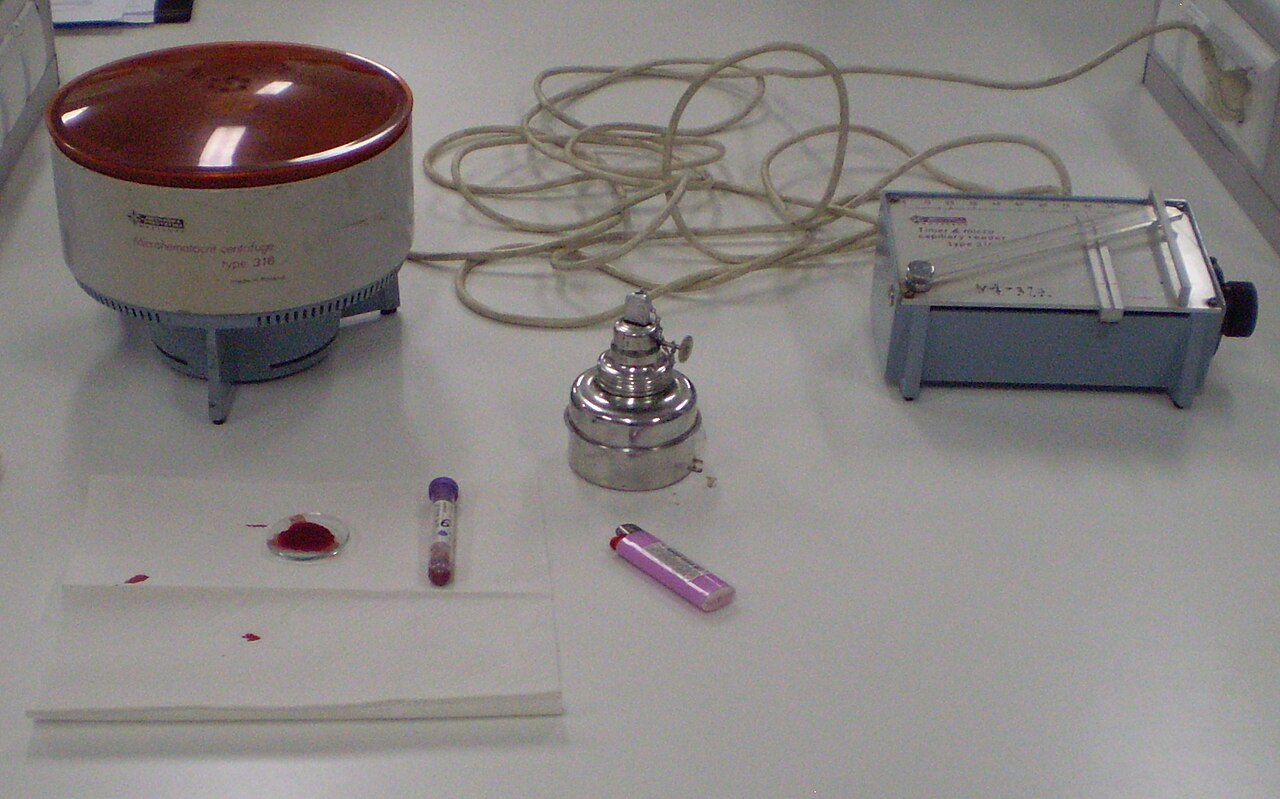
Testosterone commonly raises hemoglobin and hematocrit. A high baseline value requires explanation, and a significant on-treatment rise calls for clinical intervention rather than self-directed blood donation.
Testosterone stimulates red-blood-cell production
Testosterone can increase erythropoietin signaling, alter iron regulation through hepcidin, and raise red-blood-cell production. That effect helps explain why treatment can correct anemia in some hypogonadal men. The same biology can push hemoglobin and hematocrit too high, producing secondary erythrocytosis.
Hematocrit is the percentage of blood volume occupied by red cells. As it rises, blood viscosity and concern about clotting can increase, although the exact risk at a particular value in testosterone-treated men is not perfectly defined. The uncertainty is a reason to monitor, not a reason to ignore the change.
Randomized trials show a clear treatment effect
A systematic review of placebo-controlled trials found testosterone substantially increased the relative risk of erythrocytosis. The event count was not enormous, but the difference from placebo was consistent enough to make blood-count monitoring a standard part of care.
A network meta-analysis of 29 randomized trials found that gels, patches, oral testosterone undecanoate, and intramuscular formulations all increased average hematocrit compared with placebo. Short-acting intramuscular testosterone enanthate or cypionate produced a larger average rise than patches, while head-to-head evidence for many other comparisons remained limited.
Baseline risk factors matter
A high hematocrit before treatment may reflect smoking, dehydration, high altitude, chronic lung disease, obstructive sleep apnea, kidney conditions, or a primary blood disorder. Starting testosterone without explaining the elevation can add a second driver and make later management harder.
Endocrine Society guidance recommends against starting testosterone when hematocrit is already elevated and calls for standardized monitoring after therapy begins. Older age, higher doses, higher achieved testosterone concentrations, and injectable formulations have been associated with greater erythrocytosis risk in reviews.
Monitoring is part of the prescription
A complete blood count is typically checked before treatment and again after initiation or dose changes, then periodically once stable. The exact schedule follows the clinician, formulation, baseline risk, and guideline used. A value should be interpreted with hydration status, altitude, sleep apnea, smoking, and the timing of the testosterone dose.
Guidelines commonly identify a hematocrit around 54% as requiring intervention. That threshold is not a personal target or a safe zone that invites creeping upward. Symptoms such as severe headache, visual disturbance, chest pain, shortness of breath, neurologic deficits, or one-sided leg swelling need prompt assessment regardless of the latest number.

Dose and formulation usually come before phlebotomy
Management may include pausing therapy, lowering the dose, extending the interval, changing formulation, or treating a contributor such as sleep apnea. The best choice depends on testosterone levels, symptoms, hematocrit trajectory, and why therapy was started.
Therapeutic phlebotomy is sometimes used, but a 2024 review noted limited direct evidence for its long-term efficacy and safety in testosterone-induced erythrocytosis. Repeated removal can deplete iron and may obscure the underlying dosing problem. Blood donation should not become an unsupervised workaround for excessive treatment.
What patients should record
Keep the dose, formulation, injection or application dates, testosterone measurements, hemoglobin, hematocrit, sleep-apnea status, smoking history, and symptoms together. A single isolated value is less informative than the trend and its relation to exposure.
The practical lesson is symmetrical: testosterone can correct low hemoglobin in selected men and can overshoot in others. Safe care uses the same mechanism as a reason for measured monitoring. A clinic that prescribes testosterone without a blood-count plan is leaving out one of the most established treatment risks.
Avoid confusing the concentration with a diagnosis
Dehydration can temporarily concentrate the blood, while recent intravenous fluids can dilute it. A surprising result may need confirmation, but repeating should not become an excuse to ignore a persistent trend. The laboratory range, altitude, smoking, lung disease, and baseline values all help distinguish a transient concentration change from sustained erythrocytosis.
Iron studies and hematology referral may be appropriate when hematocrit remains high despite reasonable testosterone adjustment or when total and free testosterone are not excessive. Primary polycythemia and other disorders require different management. Treating every elevated value as a simple testosterone side effect risks missing an independent blood condition.
Sources & further reading
- Testosterone Therapy in Men With Hypogonadism: Endocrine Society guideline ↗
- Effect of route of testosterone on hematocrit: systematic review and network meta-analysis ↗
- Efficacy and adverse events of testosterone replacement: systematic review and meta-analysis ↗
- Testosterone therapy-induced erythrocytosis: can phlebotomy be justified? ↗
This article provides educational information. Ask a qualified clinician or pharmacist about your symptoms, medical conditions, medicines and supplement interactions.