Opioids and low testosterone: an overlooked medication effect
Long-term opioid exposure can suppress reproductive hormone signaling. Learn the symptoms, testing limits, treatment evidence, and why medication changes need supervision.
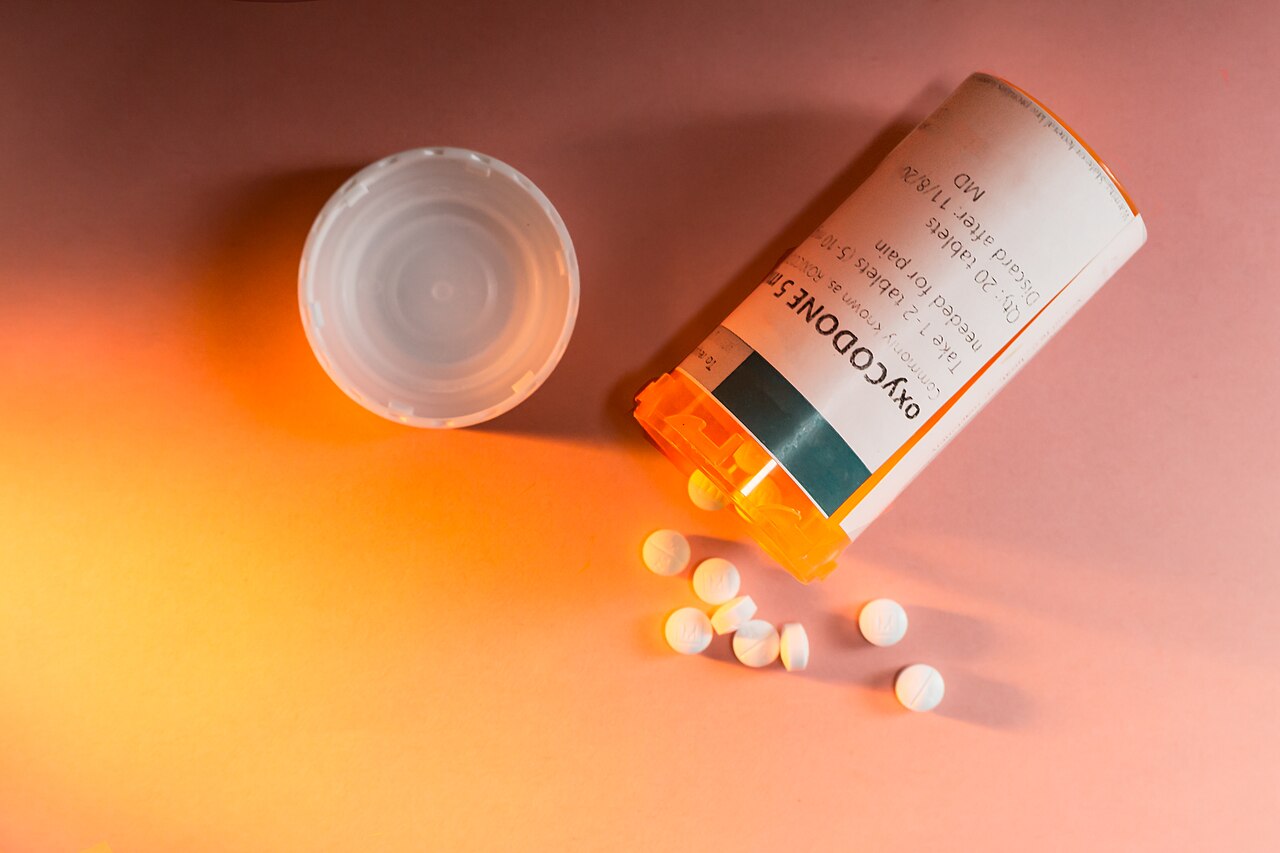
Chronic opioid use is a recognized cause of androgen deficiency in men, but symptoms overlap with pain and illness. Evaluation should confirm low testosterone and review the opioid plan without abrupt discontinuation.
Opioids can suppress the reproductive axis
Opioids do more than change pain signaling. They can inhibit gonadotropin-releasing hormone in the hypothalamus, reduce pituitary luteinizing hormone, and lower testicular testosterone production. The Endocrine Society’s 2024 scientific statement describes hypogonadism as a well-recognized opioid effect while emphasizing important gaps in prevalence, diagnosis, and management evidence.
Risk is not identical for every patient. It may vary with opioid, dose, route, duration, age, comorbid illness, and the definition used for low testosterone. A 2025 review reported prevalence estimates ranging from 20% to 80%, a span that warns against both dismissing the problem and assuming every long-term user is affected.
Symptoms overlap with chronic pain
Lower libido, erectile changes, fatigue, depressed mood, reduced muscle mass, anemia, and lower bone density can occur with androgen deficiency. Chronic pain, poor sleep, depression, inactivity, and other medicines can produce many of the same concerns. Symptoms alone therefore cannot identify the cause.
A systematic review and meta-analysis of 17 studies found lower average testosterone among male opioid users than controls, but heterogeneity was high and overall evidence quality was low. The finding supports a real signal while showing why an individual diagnosis still needs properly timed repeat measurements and a broader medical assessment.
Testing should answer a clinical question
Testing is reasonable when a man taking opioids develops compatible symptoms, unexplained anemia, loss of bone density, or reproductive concerns. Endocrine guidance generally requires symptoms plus consistently low, accurately measured testosterone. Luteinizing and follicle-stimulating hormones can help show whether suppression is central rather than testicular.
Collection time, acute illness, nutrition, sleep, and SHBG can affect interpretation. Opioid exposure should be documented precisely, including prescribed medicines, methadone or buprenorphine treatment, and nonmedical use. Honest disclosure helps distinguish medication effects from pituitary, testicular, metabolic, or other causes.
Do not abruptly stop an opioid to change a lab value
Sudden discontinuation can cause withdrawal, destabilize pain treatment, and increase harm. Any taper or medication change should be planned with the prescribing clinician. In some cases, clinicians may be able to reduce exposure or use another pain strategy; in others, the opioid remains necessary and the endocrine consequences require separate attention.
The Endocrine Society statement is not a one-size-fits-all treatment guideline. It highlights incomplete evidence about which patients to screen, how different opioids compare, and how best to manage confirmed endocrine effects. That uncertainty makes individualized care more important, not less.
Testosterone trials show selective, not universal, benefits
A randomized trial enrolled men using opioids for chronic noncancer pain who had total testosterone below 350 ng/dL. Fourteen weeks of testosterone gel improved experimentally measured pain sensitivity, sexual desire, body composition, and some quality-of-life domains compared with placebo. It did not improve self-reported clinical pain.
The trial was modest in size and short in duration. It does not show that testosterone should be added to every opioid regimen or used as an analgesic. Standard contraindications, fertility effects, hematocrit monitoring, prostate considerations, and cardiovascular uncertainty still apply, and treatment begins with a confirmed diagnosis.
A safer conversation with the care team
Bring a complete medication list and describe changes in sexual function, menstrual or fertility goals where relevant, fractures, sleep, mood, and activity. Ask whether testosterone, gonadotropins, prolactin, thyroid testing, anemia evaluation, or bone assessment fits the symptom pattern rather than requesting a preselected panel.
The useful message is not that opioids inevitably destroy testosterone. It is that a recognized adverse effect can be missed when every symptom is attributed to pain. Confirming the pattern, reviewing the opioid safely, and targeting treatment to the actual cause provide a stronger path than adding an unproven booster.
Because opioid treatment often involves several clinicians, clarify who will coordinate follow-up. Repeating a low morning value, documenting symptoms, and deciding whether pain, endocrine, or primary care owns the next step prevents a result from being noticed but never acted upon. Bone health and fertility should be addressed explicitly rather than assumed to be outside the pain plan.
Sources & further reading
This article provides educational information. Ask a qualified clinician or pharmacist about your symptoms, medical conditions, medicines and supplement interactions.