Testosterone, libido and erections: one treatment does not fix every sexual symptom
Testosterone can help desire in some men with confirmed deficiency, while erectile dysfunction often needs a separate vascular and medication review.
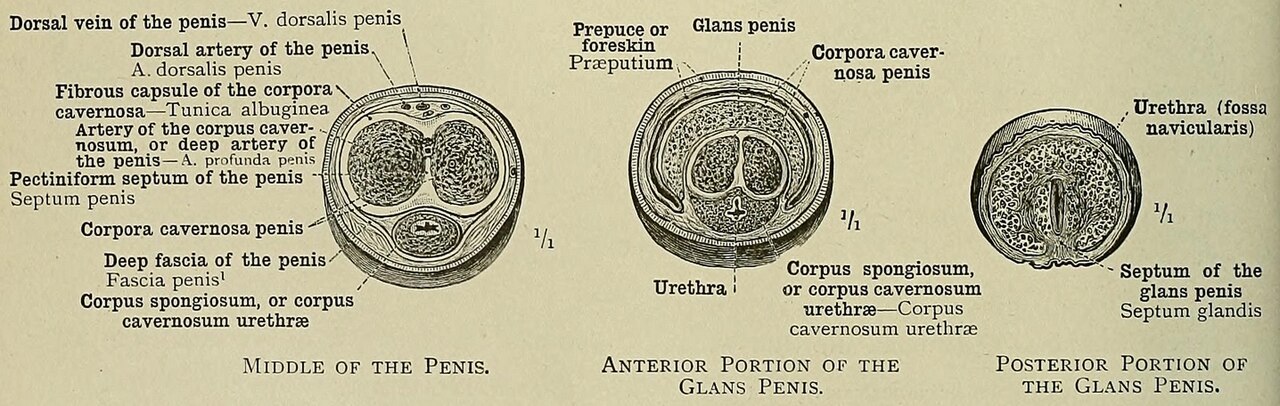
Desire and erection quality overlap, but major trials show testosterone can improve libido without reliably improving erectile function.
Name the symptom before choosing the treatment
Low sexual desire and difficulty getting or keeping an erection can arrive together, but they are not the same problem. Libido involves motivation, mood, relationships, health and hormones. An erection depends heavily on nerves, blood vessels, smooth muscle and sexual stimulation.
That distinction protects you from a common disappointment: treating a low testosterone number and expecting every sexual symptom to disappear. The better first step is to describe exactly what changed, when it changed and whether desire, erections, orgasm or all three are involved.
The strongest trial drew a clear line
In the TRAVERSE Sexual Function Study, 1,161 middle-aged and older men had symptoms, two testosterone results below 300 ng/dL and low libido. Testosterone gel improved sexual activity, sexual desire and hypogonadal symptoms compared with placebo over two years.
It did not improve erectile function compared with placebo. The earlier Testosterone Trials also found improvements in sexual desire and activity, while changes in testosterone and estradiol were not clearly tied to better erectile function. These results support a modest, specific benefit—not a universal sexual reset.
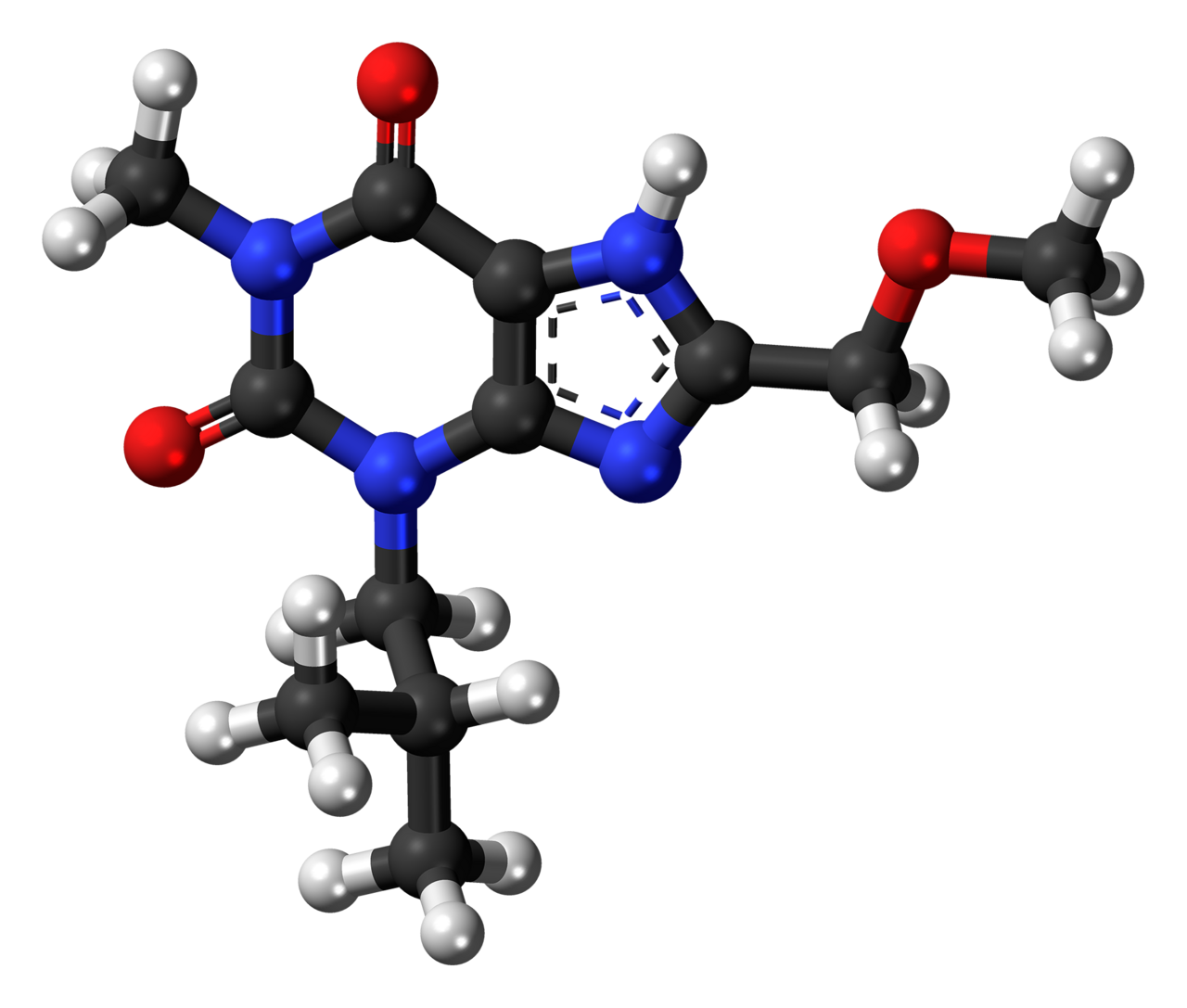
Erection problems deserve their own risk review
ED can reflect diabetes, smoking, high blood pressure, vascular disease, medication effects, sleep problems, neurologic disease, pelvic surgery or stress. A normal testosterone result does not close that investigation, and a low result does not prove it is the main cause.
A useful assessment includes cardiovascular risk, medicines, morning or spontaneous erections, onset, severity and relationship context. Sudden ED with chest symptoms, neurologic symptoms or penile injury needs prompt medical attention rather than a supplement trial.
Prescription ED care works on a different pathway
PDE5 inhibitors such as sildenafil and tadalafil support the nitric-oxide and cGMP pathway involved in erection. They require sexual stimulation and do not directly create desire. They can be dangerous with nitrate medicines, and a clinician must review suitability.
PureBlue currently advertises online evaluation for sildenafil and tadalafil ED options. Its site also notes that some featured products are compounded and are not FDA-approved, so the exact formulation matters. Access still depends on clinician review, eligibility and state availability; a consultation does not guarantee a prescription.
Build a two-column plan
In one column, list desire: interest, sexual thoughts, mood, relationship stress and confirmed hormone results. In the other, list erection function: firmness, duration, morning erections, medicines and cardiovascular risks. The columns may connect, but they lead to different questions.
The practical close is to match each outcome to the evidence. Testosterone treatment may help libido in appropriately diagnosed hypogonadism. ED may need risk-factor treatment, a PDE5 medicine or another targeted approach. Clear symptom language makes both conversations faster and safer.
Know the safety questions before the prescription
Men considering testosterone need review of hematocrit, fertility plans, prostate risk and conditions that can make treatment inappropriate or require closer monitoring. Men considering a PDE5 inhibitor need a medication check, especially for nitrates and some blood-pressure drugs.
Supplements marketed for “male enhancement” are not substitutes for either pathway. FDA warnings repeatedly identify sexual-enhancement products with hidden drug ingredients. An undeclared PDE5-like compound creates particular danger for someone using nitrates because neither the dose nor interaction risk is visible on the label.
The most efficient visit may end with two plans: one for confirmed hormone deficiency and another for erection function. Keeping them separate does not ignore how they overlap. It prevents one treatment from carrying a promise the evidence does not support.
Revisit the plan after a defined interval instead of judging treatment from one encounter. Track the symptom each treatment is meant to change, adverse effects and adherence. If desire improves but erections do not, that is useful evidence to reassess the ED pathway rather than simply escalating testosterone.
Partners can notice changes that a questionnaire misses, but their observations do not replace consent or the patient’s goals. A successful plan is not a laboratory target alone; it is a meaningful, safe improvement in the symptom that prompted care.