Testosterone blends: why a list of studied ingredients is not a tested formula
How to examine a testosterone blend, interpret undisclosed individual amounts, and distinguish ingredient research from a trial of the finished formula.
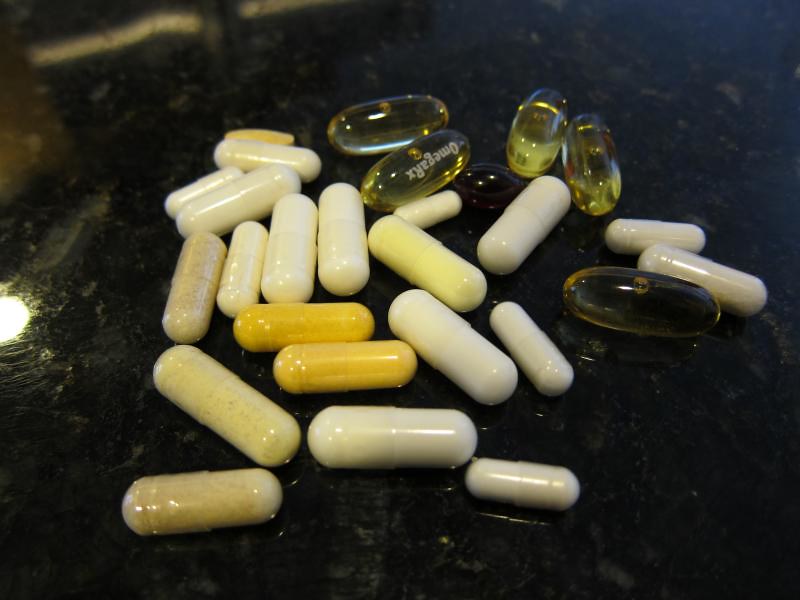
A blend needs evidence for its own preparation and claims. A collection of ingredient citations does not establish the combination’s clinical effect.
The evidence does not automatically add up
A testosterone-support product may list several ingredients with citations beside each one. The presentation can create the impression that the formula is stronger because many components have been studied. However, evidence for individual ingredients does not simply add together into evidence for a combination. The marketed formula is a new intervention unless the actual preparation has been tested in a relevant study.
This matters even when every citation is genuine. Each study may involve a different participant group, amount, extract, duration, and outcome. Combining those separate findings into one product requires assumptions about whether the effects transfer and how the ingredients behave together. A responsible review should make those assumptions visible rather than describe the finished product as proven by association.
What proprietary blend means for a comparison
Operation Supplement Safety explains that a proprietary blend can disclose the combined amount without listing the amount of each individual component. That makes an evidence comparison difficult. A total blend weight does not reveal whether any ingredient matches the amount used in the cited trial, and the order of names cannot provide a precise answer.
If individual amounts are absent, mark them as unknown. Do not estimate them by dividing the total equally or assuming that the most prominent ingredient receives the research amount. Those shortcuts create a fictional formulation. Ask the manufacturer whether it can disclose the individual quantities and provide a study of the current product. An unresolved question is more accurate than a confident calculation built on missing data.
A branded extract is only one part of the formula
A blend may contain a trademarked extract that has been tested separately. That is relevant information, but it does not establish that the whole formula has the same effect or safety profile. Check whether the extract amount matches the trial and whether the additional ingredients were present. The phrase contains a clinically studied ingredient should not silently become this entire product was clinically tested.
Similarly, a study of a previous formulation may not directly apply after a product changes. Look for the intervention's complete ingredient panel and the date of the marketed formulation. If the seller emphasizes an upgrade, ask what evidence supports the upgraded version. A new name or a larger blend weight does not inherit every conclusion from an earlier preparation without explanation.
Separate the claimed outcomes
A testosterone blend may promise energy, muscle growth, libido, and a hormone increase in the same paragraph. Each is an outcome requiring its own evidence. OPSS's overview of testosterone-booster products describes insufficient evidence for broad marketing claims and notes limitations in the ingredient research. It also identifies contamination and adulteration concerns in this market category.
To review a formula, make a short table for yourself with each claim and the study that addresses it. Note whether the paper measured a hormone, a questionnaire, strength, or another outcome. If a claim has no directly relevant study, leave that cell empty. The absence of a citation is not proof the claim is false, but it is not a reason to present the benefit as established.
Ask for an answer that can be checked
A useful manufacturer response identifies the exact product, complete preparation, participant population, comparison group, outcomes, and publication. A pile of journal links without that connection leaves the original question unanswered. Independent quality certification can address selected content or contamination issues; it does not establish that a blend improves testosterone or symptoms.
This guide offers no formula recommendation. If you have hormone concerns, bring the complete label and relevant studies to a qualified health professional. The practical goal is to distinguish what is known about an ingredient from what is known about the product you would actually take. That distinction makes comparison clearer and prevents an impressive bibliography from standing in for a tested formulation.
Sources & further reading
This article provides educational information. Ask a qualified clinician or pharmacist about your symptoms, medical conditions, medicines and supplement interactions.