Testosterone testing: why timing and a repeat result matter
A practical guide to morning testosterone tests, normal day-to-day variation, repeat measurements, symptoms, and what one low result can—and cannot—show.
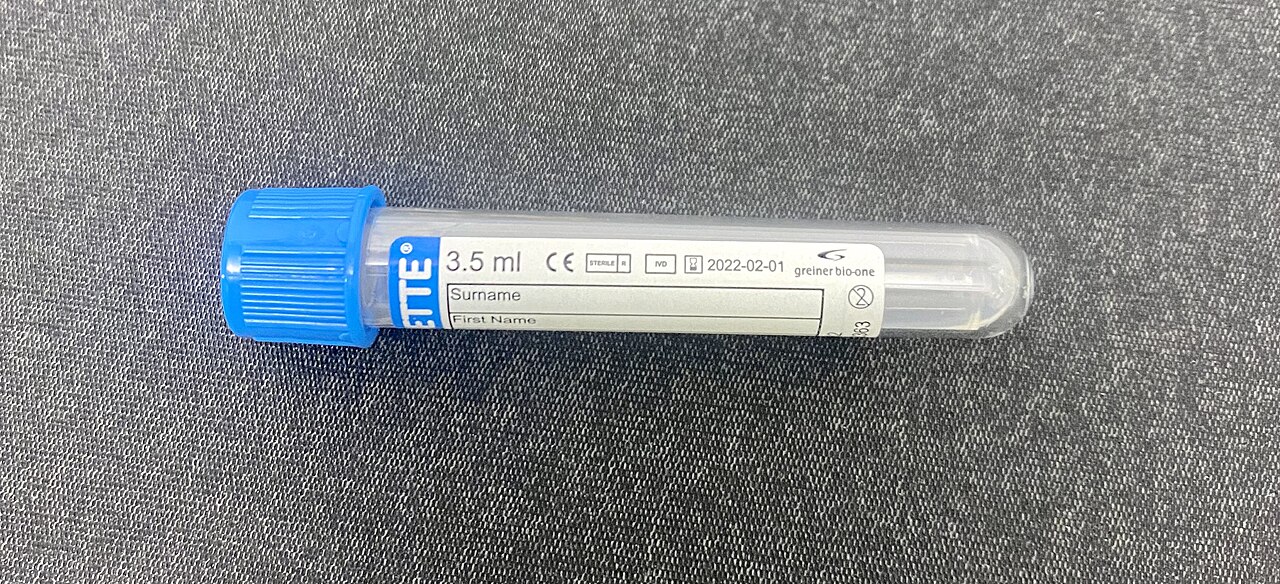
A single low testosterone result is not a diagnosis. Current endocrine guidance pairs compatible symptoms with consistently low values measured accurately, usually on two early-morning fasting samples.
One number is a starting point
A testosterone result looks precise, but it is a sample taken from a moving biological system. Concentrations vary within the same person, and the laboratory method and reference range also matter. That is why a result just below a cutoff should not be treated like an on-off switch for health, performance, mood, or sexual function.
The Endocrine Society recommends diagnosing hypogonadism only when a man has compatible signs or symptoms and testosterone concentrations that are unequivocally and consistently low. Its guideline also calls for accurate assays and properly derived reference ranges. Routine screening of people without suggestive symptoms is not recommended, because an isolated result can create more confusion than clarity.
Morning collection reduces a known source of noise
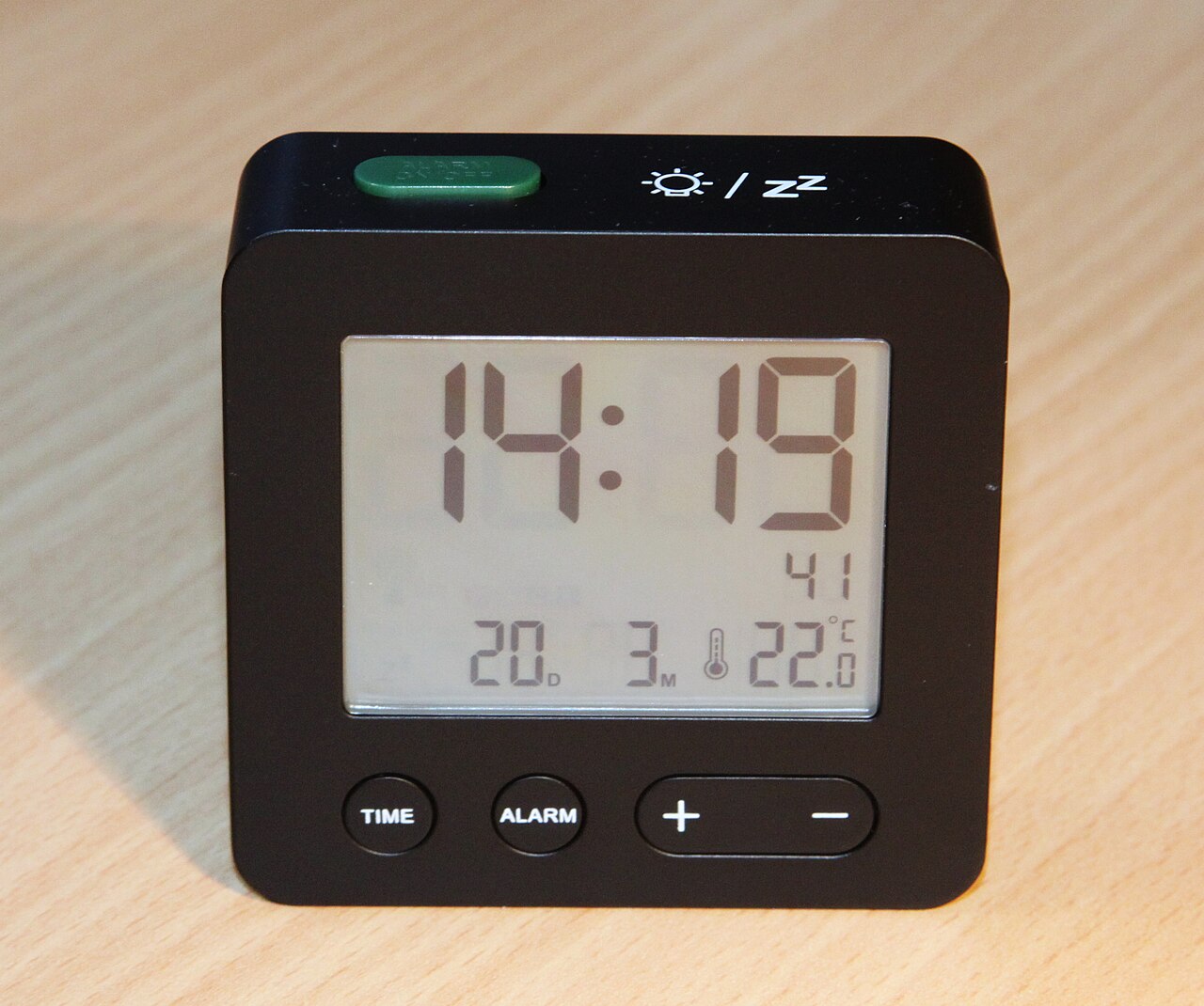
Testosterone usually follows a daily rhythm. In a study that repeatedly sampled 66 men during clinic hours, values in men ages 30 to 40 were about 20% to 25% lower at 4 p.m. than at 8 a.m.; the difference was smaller in older men. Several men with afternoon values below 300 ng/dL had normal morning values at all morning visits.
That finding supports early-morning testing, especially for younger men. The Endocrine Society specifically recommends repeating a morning fasting total testosterone measurement to confirm an initially low value. Shift workers and people with unusual sleep schedules may need individualized timing, because the useful goal is a standardized sample that reflects their sleep-wake pattern rather than an arbitrary clock time.
Repeat testing addresses biological variation
Time of day is not the only source of variation. In another study, repeat morning testosterone values in healthy older men showed meaningful within-person variation across visits. Acute illness, inadequate food intake, hard training, sleep disruption, and some medicines can also temporarily affect the result. Repeating a test under comparable conditions helps separate a stable pattern from a transient dip.
A repeat test should not be interpreted in isolation either. Clinicians may consider total testosterone first and use free testosterone in selected situations, such as when sex hormone-binding globulin is likely to be abnormal. The assay, units, reference interval, symptoms, medical history, and medicines all belong in the same conversation.
Symptoms guide the next question
Low libido, fewer spontaneous erections, infertility, hot flashes, reduced body hair, anemia, and loss of bone density can be relevant, but many commonly advertised symptoms are nonspecific. Fatigue, low mood, poor concentration, and reduced gym performance can arise from sleep problems, depression, calorie restriction, medication effects, thyroid disease, or other conditions.
When low testosterone is confirmed, the next task is identifying why. Endocrine guidance recommends distinguishing testicular causes from pituitary or hypothalamic causes with luteinizing hormone and follicle-stimulating hormone, followed by further evaluation when indicated. This is different from jumping directly from a consumer lab result to a supplement or testosterone prescription.
How to prepare for a useful result
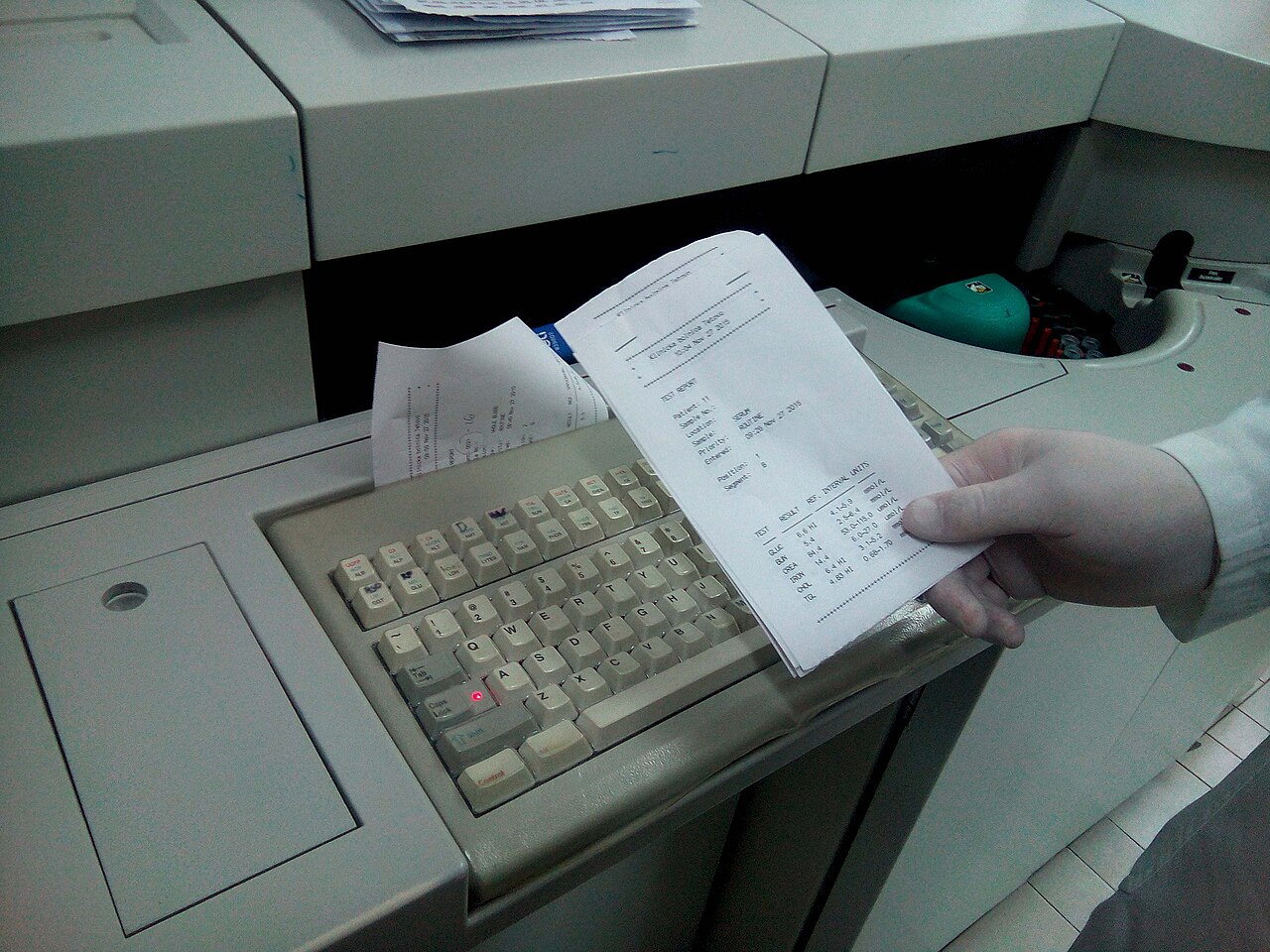
Follow the ordering clinician’s instructions, use the same laboratory when practical, and record the collection time, recent illness, sleep disruption, major calorie restriction, and medicines or supplements. Do not stop a prescription drug simply to change a lab value. If the first result is low, ask when and under what conditions it should be repeated.
The practical message is deliberately unexciting: standardize the sample, confirm the pattern, and interpret the result alongside symptoms. That process cannot promise a desired number, but it sharply reduces the risk of treating normal fluctuation as disease or dismissing a persistent problem as a one-off result.
Questions worth bringing to the appointment
Ask which assay and reference interval the laboratory uses, whether the sample should be fasting, and how recent illness or a disrupted sleep schedule could affect timing. If total testosterone is borderline, ask whether sex hormone-binding globulin or a carefully measured or calculated free testosterone value would add useful information in your circumstances.
Also ask what finding would trigger evaluation of the pituitary, testes, medicines, fertility goals, or sleep and metabolic health. A useful visit ends with a plan for confirmation and cause-finding, not merely a target number. Keep copies of results with collection times so trends are compared under reasonably similar conditions.
Sources & further reading
- Testosterone Therapy in Men With Hypogonadism: Endocrine Society Clinical Practice Guideline resources ↗
- The effect of diurnal variation on clinical measurement of serum testosterone and other sex hormone levels in men ↗
- The significance of biological variation in the diagnosis of testosterone deficiency ↗
This article provides educational information. Ask a qualified clinician or pharmacist about your symptoms, medical conditions, medicines and supplement interactions.