TRAVERSE and testosterone cardiovascular safety: what the trial answered
TRAVERSE found no excess in its primary major-cardiac-event outcome, but other adverse events and generalizability still matter. Read the result in context.
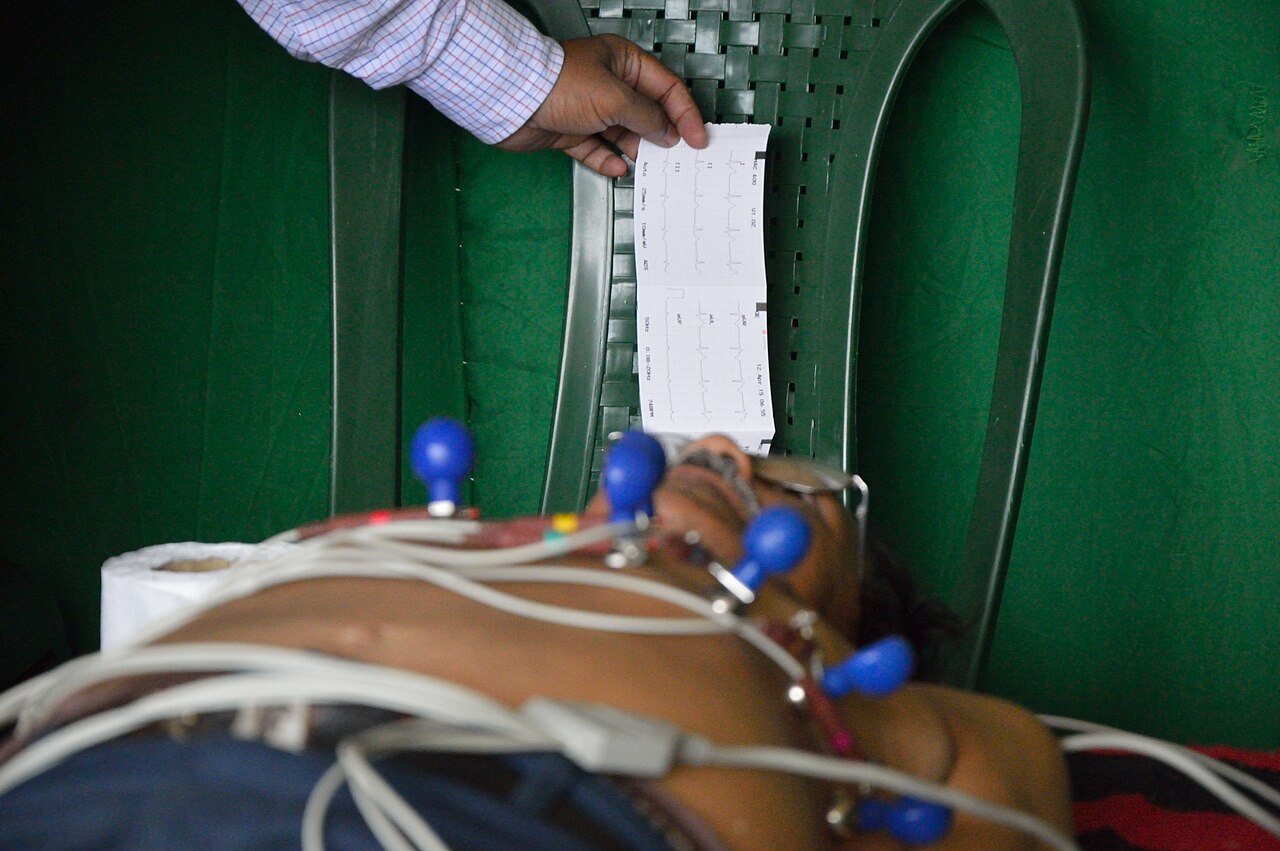
In men with confirmed hypogonadism and high cardiovascular risk, testosterone gel was noninferior to placebo for major adverse cardiac events, but the trial did not prove zero risk for every patient or formulation.
Why TRAVERSE was needed
Testosterone prescribing expanded while cardiovascular safety evidence remained unsettled. Earlier trials were often too small or short to evaluate uncommon major events. TRAVERSE was designed as a large cardiovascular-outcomes trial rather than relying only on changes in cholesterol, blood pressure, or other surrogate markers.
The trial enrolled 5,246 men ages 45 to 80 who had symptoms of hypogonadism, two fasting testosterone levels below 300 ng/dL, and existing cardiovascular disease or high cardiovascular risk. Participants received transdermal testosterone gel or placebo. That specific population and formulation define how far the result can be generalized.

The primary cardiac result was reassuring but precise
The primary endpoint combined cardiovascular death, nonfatal heart attack, and nonfatal stroke. Testosterone was noninferior to placebo for that composite outcome, meaning the trial ruled out an excess larger than its prespecified margin. It did not demonstrate that testosterone prevents cardiovascular events or that the two treatments are identical in every respect.
Noninferiority designs answer a bounded question. They compare the upper confidence limit with a margin chosen in advance. Readers should therefore resist translating “noninferior” into “heart protective,” “risk free,” or permission to treat men who were never properly diagnosed.
Several secondary safety signals still require attention
The testosterone group had higher incidences of atrial fibrillation, acute kidney injury, and pulmonary embolism in the main report. Secondary events can be harder to interpret than the primary endpoint, particularly when a trial evaluates many outcomes, but they are not details to erase from the summary.
The Endocrine Society’s 2026 statement describes the major heart-attack and stroke result as reassuring while emphasizing pulmonary embolism, fractures, and the lack of established long-term safety, including for prostate cancer. Its message is continued diagnosis, risk assessment, and monitoring—not universal treatment.
The trial does not cover every testosterone user
TRAVERSE studied men with symptoms and repeatedly low testosterone, not asymptomatic men seeking optimization. It used a regulated gel adjusted within a trial, not underground injections, bodybuilding cycles, compounded mixtures, or dietary supplements. Results in high-risk middle-aged and older men also may not map perfectly to younger men or those with different causes of hypogonadism.
Adherence and discontinuation also matter. The FDA label summary reports substantial discontinuation during the study. An intention-to-treat result remains important, but real-world exposure, monitoring, dose excursions, and coexisting illness can differ from a controlled protocol.

Cardiovascular assessment remains individualized
Before therapy, clinicians consider recent heart attack or stroke, uncontrolled heart failure, thrombophilia, elevated hematocrit, untreated severe sleep apnea, and other contraindications or precautions. Blood pressure, hematocrit, symptoms, and the treatment response require follow-up. New chest pain, shortness of breath, one-sided leg swelling, or palpitations should not wait for a routine visit.
A person already prescribed testosterone should not stop it abruptly based on a headline. The trial changes the evidence conversation but does not replace a clinician who knows the indication, formulation, dose, cardiovascular history, and laboratory monitoring.
The right conclusion is neither alarm nor hype
TRAVERSE addressed a major uncertainty with far more cardiovascular events than earlier testosterone trials. For appropriately diagnosed men resembling the participants, its primary result is meaningful reassurance about major adverse cardiac events over the studied follow-up. That is a narrower and stronger statement than a blanket claim of safety.
Treatment still needs a symptom target, confirmed low values, evaluation of the cause, and discussion of fertility and noncardiac risks. Evidence-based communication preserves both halves of the result: no excess in the primary composite within the trial’s margin, and enough remaining uncertainty to make screening and monitoring necessary.
Absolute risk also matters. A relative comparison can sound large or small without showing how many events occurred. Ask for event counts, follow-up duration, confidence intervals, and whether an outcome was primary or secondary. Those details make the trial more useful than either a reassuring slogan or an alarming social-media excerpt.
Context prevents overstatement.
Sources & further reading
This article provides educational information. Ask a qualified clinician or pharmacist about your symptoms, medical conditions, medicines and supplement interactions.