Free vs. total testosterone: where SHBG changes the interpretation
Total and free testosterone can point in different directions when SHBG is unusually high or low. Learn when each measure helps and where testing can mislead.
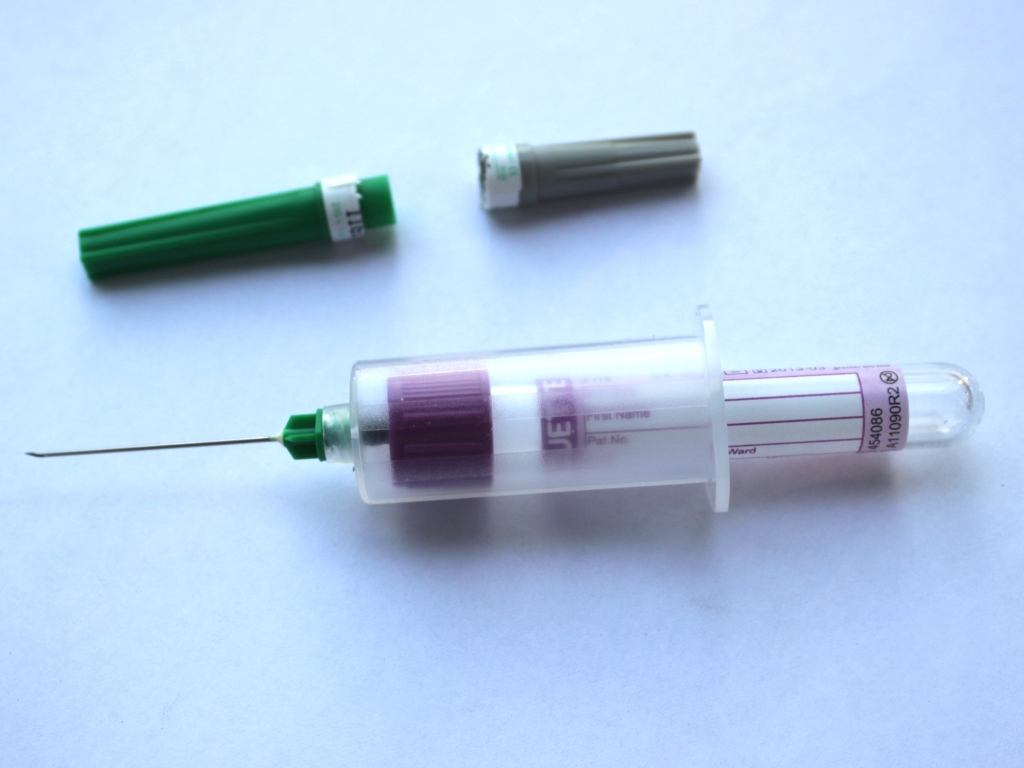
Total testosterone is usually the starting test, while free testosterone can add context when total testosterone is borderline or SHBG is likely to be abnormal. Neither value should be interpreted without symptoms and repeat testing.
Total testosterone counts bound and unbound hormone
Most testosterone in blood is attached to proteins. A substantial share binds tightly to sex hormone-binding globulin, or SHBG, another portion binds more loosely to albumin, and only a small fraction circulates unbound. A total testosterone test measures all of these fractions together, which makes it useful and widely standardized but not complete in every clinical situation.
Free testosterone refers to the unbound fraction. The label sounds automatically more meaningful, yet measurement is technically demanding. Some laboratories measure it with equilibrium dialysis, while others calculate it from total testosterone, SHBG, and albumin. Direct analog immunoassays may be less reliable. The method and reference interval therefore belong beside the number.

SHBG can move total testosterone without matching free testosterone
When SHBG is high, more testosterone is protein-bound, and total testosterone can look normal or high even while calculated free testosterone is low. When SHBG is low, total testosterone can fall while the estimated free fraction remains within range. Obesity, insulin resistance, thyroid and liver conditions, aging, and some medicines can influence SHBG.
That pattern is one reason current endocrine guidance allows total and free testosterone to contribute to diagnosis when indicated. It does not mean every person needs a broad hormone panel. The starting point remains compatible symptoms plus consistently low, accurately measured concentrations, with additional testing chosen to answer a specific uncertainty.
Cohort data show why disagreement can matter
A European cohort study of 3,334 community-dwelling men compared groups in which total and calculated free testosterone agreed or diverged. Men with normal total but low calculated free testosterone reported more sexual and physical symptoms and had higher SHBG. Men with low total but normal calculated free testosterone were younger and more obese and did not show the same pattern of androgen-deficiency features.
This was observational evidence, not a trial of treatment. Associations cannot establish that changing free testosterone will correct symptoms, and calculated values depend on the underlying measurements and formula. Still, the study illustrates why a clinician may look beyond total testosterone when SHBG is likely to distort the surface result.
A 2026 study examined an uncommon high-SHBG group
A small prospective study reported 20 men with SHBG above 100 nmol/L. Among those with low free testosterone, symptoms, and elevated luteinizing or follicle-stimulating hormones, some had total testosterone well above the lower reference limit. The gonadotropin elevations provided independent evidence that the testes were not meeting the body’s signal.
The study is informative but not a new universal cutoff. Its sample was small and intentionally focused on an unusual clinical pattern. It supports careful free-testosterone assessment when total and free measures diverge markedly; it does not justify using a consumer calculator to diagnose hypogonadism from a single set of values.
How to get a more useful interpretation
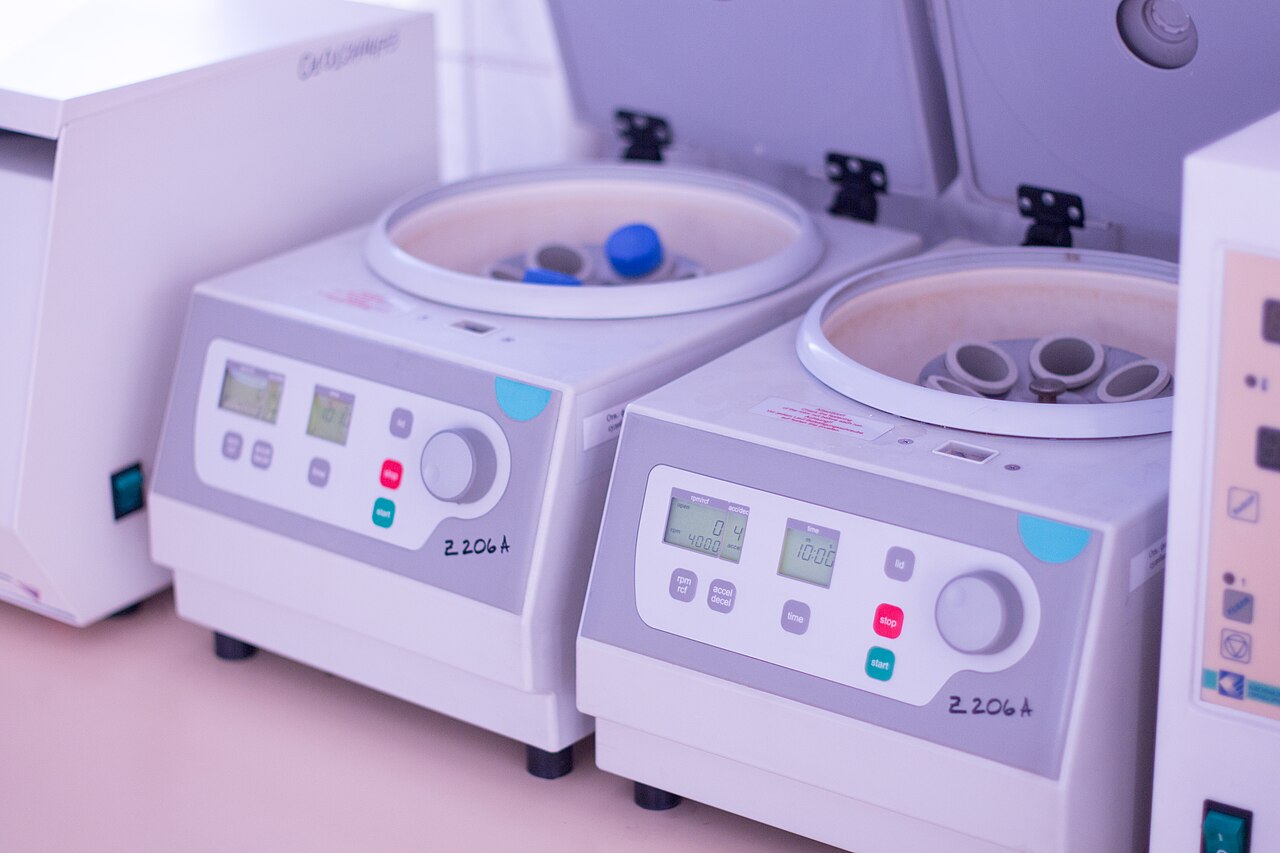
Confirm a low result with a second early-morning fasting sample under comparable conditions. Ask which free-testosterone method was used, whether SHBG and albumin were measured, and whether illness, sleep disruption, major calorie restriction, or medicines could have shifted the result. Do not compare values from different methods as though they were interchangeable.
Symptoms remain essential because fatigue, low mood, and poor gym performance have many causes. If low testosterone is confirmed, luteinizing and follicle-stimulating hormones help distinguish testicular from pituitary or hypothalamic causes. The goal is not to select whichever number looks lowest; it is to build a consistent clinical picture with defensible measurements.
The practical bottom line
Total testosterone is an efficient first look, not a complete map of androgen biology. Free testosterone is most useful when the first result is near a decision boundary, SHBG is abnormal, or symptoms and total testosterone do not fit together. Ordering it routinely without attention to method can add apparent precision without better information.
For readers comparing laboratory reports, record the collection time, units, reference interval, assay, SHBG, and health context. A clinician can then decide whether the disagreement is biologically plausible and whether further evaluation is needed. No supplement can resolve a measurement problem that has not first been defined correctly.
Sources & further reading
This article provides educational information. Ask a qualified clinician or pharmacist about your symptoms, medical conditions, medicines and supplement interactions.