Testosterone and type 2 diabetes: do not confuse body-composition changes with glucose control
Low testosterone is common in men with type 2 diabetes, but TRT is not an established diabetes treatment. Review trials, HbA1c results, and clinical guidance.
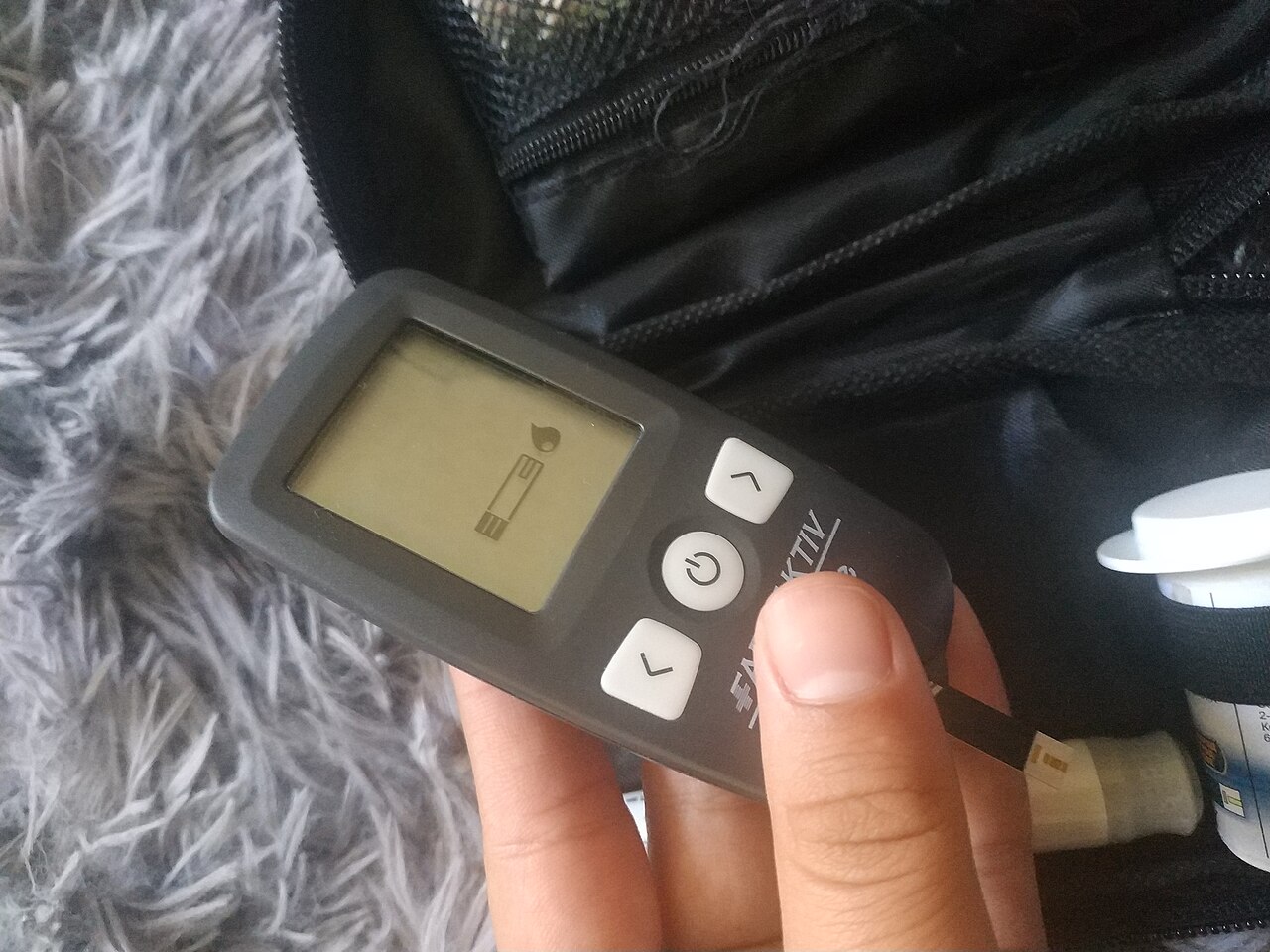
Testosterone therapy can change lean and fat mass in selected hypogonadal men, but trials have not established it as a dependable way to lower HbA1c or treat type 2 diabetes.
The association is real but not a treatment instruction
Men with obesity and type 2 diabetes often have lower average total testosterone than men without those conditions. Insulin resistance, inflammation, sleep apnea, medications, illness, and lower SHBG can all contribute. An association does not prove that low testosterone caused diabetes or that raising testosterone will correct glucose metabolism.
It is also possible for total testosterone to look low when free testosterone is less affected because SHBG is reduced. Diagnosis still requires compatible symptoms and consistently low, accurately measured values. Diabetes alone is not a reason to prescribe testosterone, and a testosterone result is not a substitute for established diabetes risk assessment.
A placebo-controlled trial separated body composition from glycemia
A randomized, double-blind trial assigned 88 men with type 2 diabetes and modestly low testosterone to testosterone undecanoate or placebo for 40 weeks. Testosterone reduced fat mass and increased lean mass. It did not improve the primary insulin-resistance outcome or glycemic control compared with placebo.
That contrast is important. A treatment can produce a visible change in body composition without lowering HbA1c or improving the metabolic pathway that matters for diabetes outcomes. Marketing often blends these endpoints, but clinical decisions should keep them separate.
Earlier pooled trials did not support routine use
A systematic review of seven randomized trials involving 833 men found that results depended on how insulin resistance was calculated. Testosterone did not significantly improve HbA1c or constitutional symptom scores. The authors did not support routine testosterone treatment for men with type 2 diabetes or metabolic syndrome who lacked classical hypogonadism.
The Endocrine Society guideline reaches a similar practical conclusion: in men with type 2 diabetes and low testosterone, it recommends against testosterone therapy as a means of improving glycemic control. That recommendation does not deny treatment to a man with independently confirmed hypogonadism; it defines what the treatment should not be expected to do.
A 2026 review still rates metabolic evidence as uncertain
A 2026 systematic review focused on double-blind placebo-controlled trials in men with obesity, functional secondary hypogonadism, and type 2 diabetes or metabolic syndrome. It found the most consistent signal in body composition, while insulin-resistance findings were heterogeneous and evidence for HbA1c, fasting glucose, lipids, vascular markers, and long-term safety was very uncertain.
The authors concluded that testosterone should not be regarded as an antidiabetic or lipid-lowering intervention. Newer does not always mean decisive: a fresh review can clarify that evidence remains low certainty rather than overturning established care.
Treat each condition for its own goals
Diabetes care uses nutrition, physical activity, weight management, glucose monitoring, and medications chosen for glycemic and cardiovascular or kidney benefit. Hypogonadism care begins with symptoms, repeated morning testing, and evaluation of the cause. The plans can interact, but one should not displace the other.
Weight loss and treatment of sleep apnea may improve general health and sometimes testosterone, yet no individual change is guaranteed. Conversely, appropriately prescribed testosterone may improve selected hypogonadal symptoms without meaningfully changing HbA1c. Set expectations before treatment so a body-composition result is not mistaken for diabetes control.
Questions that keep the decision honest
Ask whether the testosterone diagnosis would still be made if diabetes were not present, which symptoms treatment is intended to improve, and how success will be measured. Review fertility plans, hematocrit, prostate risk, sleep apnea, cardiovascular history, and medicines before starting therapy.
If a clinic advertises testosterone as a way to reverse diabetes, request randomized evidence for that claim and the exact population. Current trials and guidance support a narrower message: treat confirmed hypogonadism when appropriate, and continue evidence-based diabetes management rather than expecting hormone therapy to replace it.
Track outcomes on separate lines: HbA1c and glucose for diabetes, waist and body composition for weight-related goals, and specific sexual or hematologic symptoms for hypogonadism. When every change is collapsed into a vague idea of feeling optimized, an ineffective treatment can appear successful while the clinical target remains unchanged.
Sources & further reading
- Effect of testosterone treatment on glucose metabolism in men with type 2 diabetes: randomized trial ↗
- Testosterone treatment in type 2 diabetes and metabolic syndrome: systematic review and meta-analysis ↗
- Metabolic Effects of Testosterone Replacement Therapy: 2026 systematic review ↗
- Testosterone Therapy for Hypogonadism Guideline Resources — Endocrine Society ↗
This article provides educational information. Ask a qualified clinician or pharmacist about your symptoms, medical conditions, medicines and supplement interactions.