Do testosterone boosters work? How to read the evidence before buying
Learn how testosterone booster studies differ from product claims, why low testosterone needs evaluation, and what to check on a supplement label.

Promising ingredient research does not validate every testosterone booster. Symptoms and properly interpreted testing matter more than advertising or a single laboratory result.
A marketing category is not a medical diagnosis
Testosterone boosters are dietary supplements marketed to support hormone levels, strength, energy, or sexual performance. The category can include vitamins, minerals, herbs, amino acids, and complicated blends. It does not describe one standardized treatment. Two bottles using the same headline may contain substantially different ingredients, so asking whether all testosterone boosters work is less useful than asking what evidence supports a particular preparation for a particular outcome.
It is also important to separate a supplement from prescription testosterone therapy. They are different products with different purposes and oversight. An advertisement aimed at tiredness or reduced motivation cannot establish that someone has testosterone deficiency. Choosing a bottle before identifying the problem risks spending money on an answer to the wrong question.
What the current ingredient evidence says
Operation Supplement Safety, a US military health education resource, updated its testosterone-booster overview in October 2026. It describes promising findings for some ingredients, including ashwagandha, tongkat ali, and fenugreek, while emphasizing small studies and the use of proprietary extracts. A result involving one specialized extract may not apply to another product bearing the same plant name. The resource concludes that evidence is insufficient to support the broad marketing claims of these products.
A published analysis of 50 testosterone-booster supplements also found a mismatch between common claims and the supporting academic literature. That study was a review of product composition and existing evidence, not a clinical trial proving that every current product fails. Its practical lesson is to examine the evidence behind individual claims. Neither a popular label nor an ingredient's appearance in a research paper demonstrates that a finished blend produces meaningful benefits.
An increase in a number is not every promised benefit
A study might report a change in total testosterone, but consumers may be hoping for better strength, fertility, mood, or sexual function. These outcomes are not interchangeable. Ask whether the trial measured the benefit you care about and whether any difference was meaningful to participants. A statistically significant laboratory change is not automatically a clinically useful improvement.
Study population matters as well. Findings in people with a specific health condition cannot simply be applied to healthy athletes or older adults with different circumstances. Look for information about baseline hormone levels, treatment duration, comparison groups, and adverse events. Short follow-up leaves questions about continued benefit and longer-term safety. A responsible summary makes these limits visible rather than burying them below a purchase button.

Low testosterone needs an appropriate evaluation
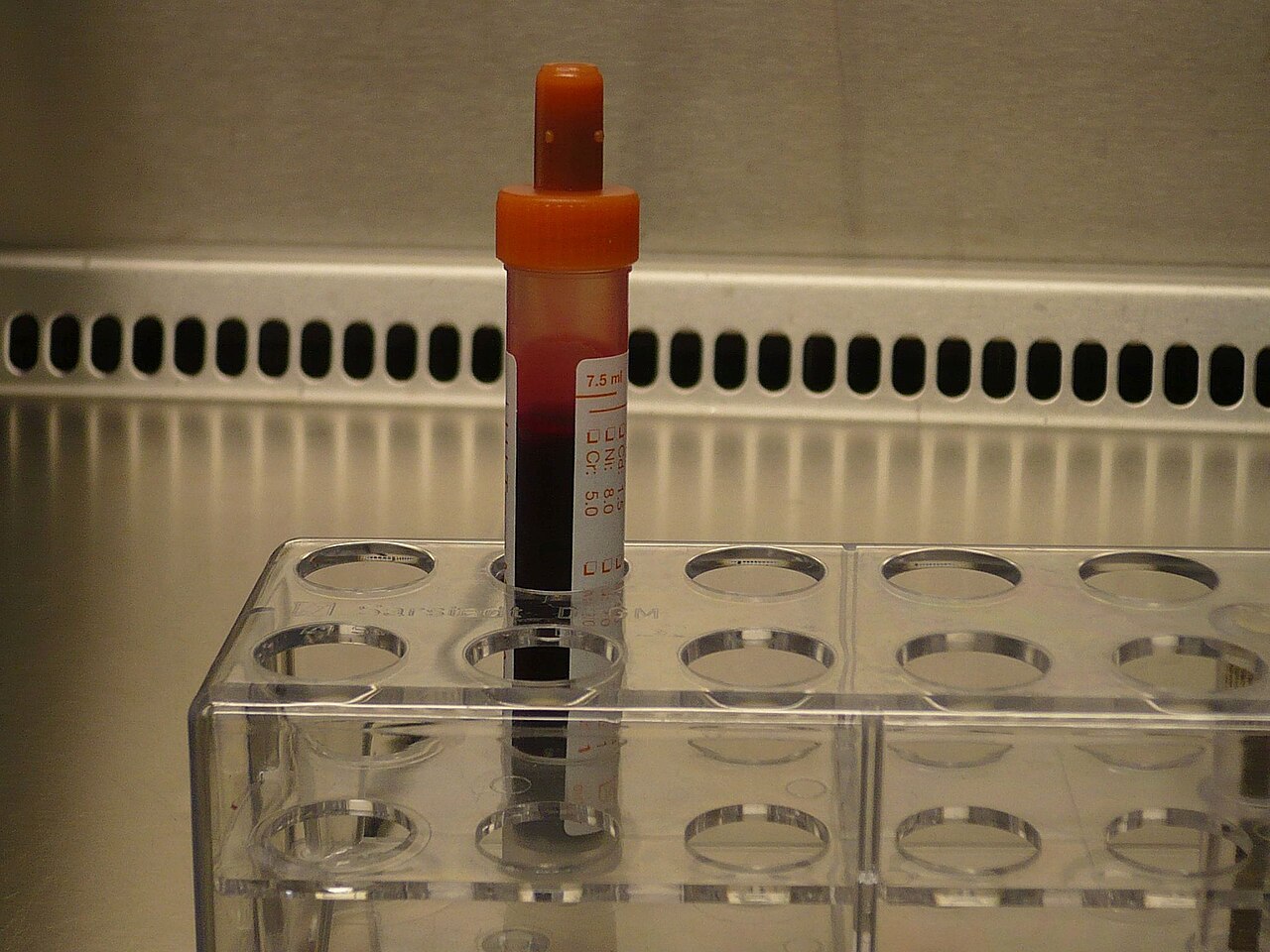
The Endocrine Society explains that diagnosing hypogonadism involves characteristic signs or symptoms together with repeatedly low testosterone measurements. Its patient resource describes at least two early-morning blood tests, with further investigation of the cause when indicated. Hormone levels vary, and factors such as illness, medicines, nutrition, and exercise can influence them. A single result or a symptom checklist on a sales website is not a complete diagnosis.
If you are concerned, write down your symptoms, their timing, and the medicines or supplements you use. Bring existing laboratory results rather than attempting to interpret an isolated number against an internet chart. Ask your clinician what else could explain the symptoms and whether further assessment is needed. This process helps avoid assuming that every concern about energy or sexual health has the same hormonal explanation.
Evaluate quality without confusing it with effectiveness
OPSS flags contamination and adulteration concerns in testosterone-booster and sexual enhancement products. It also notes reports of adverse events. This does not establish the risk of every named ingredient or brand, but it is a reason to investigate rather than assume that a natural description means low risk. People who compete in tested sports should also consider their sport's rules before using performance-oriented supplements.
For any product under consideration, compare the complete label with the actual research preparation, record individual amounts, and check independent quality certification where available. NCCIH cautions that store-bought supplements may differ from products tested in studies and can interact with medicines. Certification can help answer selected manufacturing questions; it does not certify that a testosterone claim is true. The strongest purchasing decision may be to postpone the purchase until the health question and evidence are clearer.
Sources & further reading
This article provides educational information. Ask a qualified clinician or pharmacist about your symptoms, medical conditions, medicines and supplement interactions.