Testosterone gel transfer: the daily steps that protect partners and children
Topical testosterone can transfer through skin contact. Learn FDA precautions, washing and clothing evidence, exposure signs, and what to do after contact.
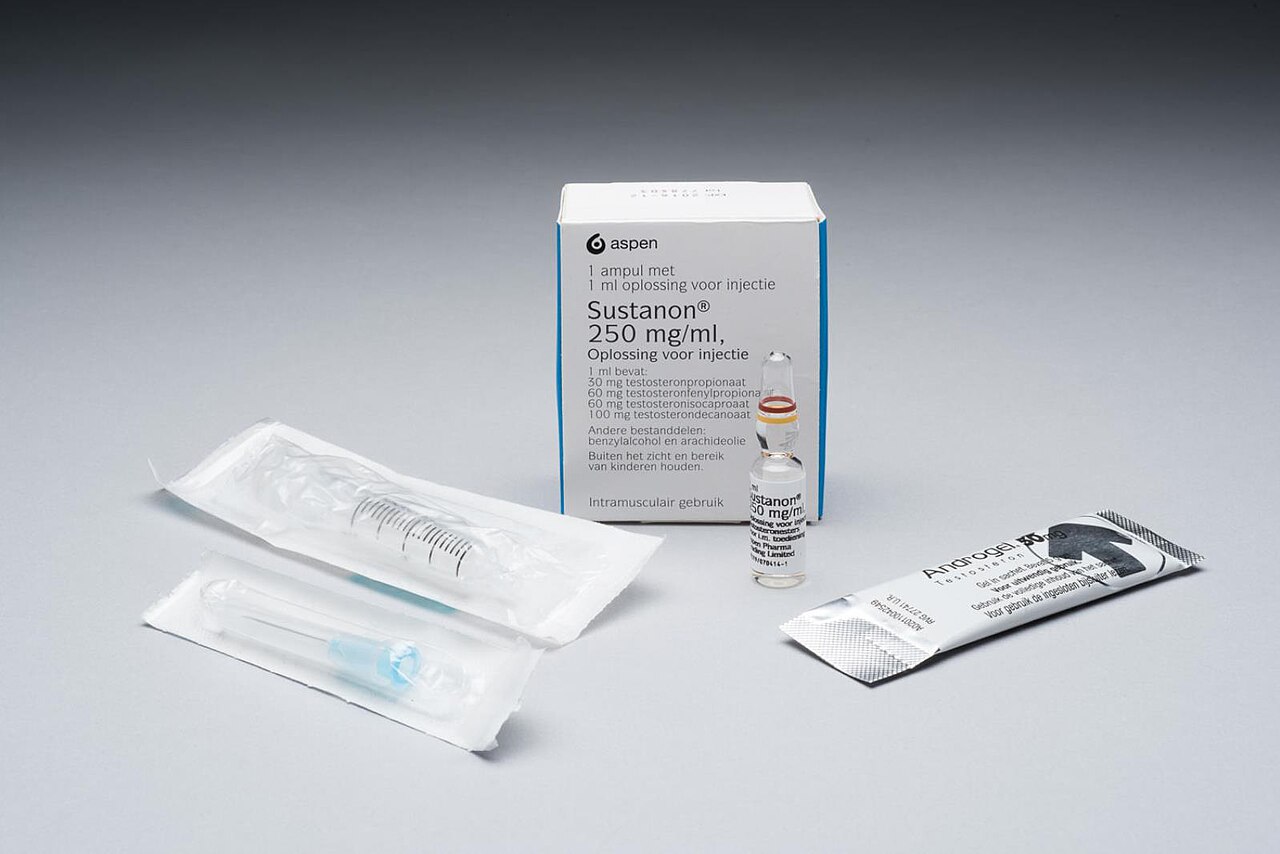
Testosterone gel can transfer from an unwashed or uncovered application site. Washing hands, allowing gel to dry, covering the site, and washing before skin contact reduce exposure risk.
Topical convenience creates a contact hazard
Testosterone gels deliver hormone through the skin, avoiding injections and allowing daily dosing. Some drug remains on or near the application surface after the alcohol vehicle dries. Direct contact can move that residue to another person, who may absorb testosterone without realizing it.
FDA labeling carries a boxed warning because virilization has been reported in children after secondary exposure. Unexpected pubic hair, genital enlargement, increased erections, or aggressive behavior in a child, and new acne or hair-pattern changes in a woman, warrant prompt medical evaluation and a review of household topical-hormone use.

Transfer studies tested skin contact directly
In crossover studies involving healthy couples, female partners had higher testosterone exposure after supervised contact with a man’s treated skin. The size of the increase depended on dose, application site, time, washing, and whether clothing covered the area. These were controlled, sometimes exaggerated contact conditions, but they demonstrate that transfer is biologically real.
A study of 1.62% gel found that a T-shirt barrier or washing the application site before contact markedly reduced transfer. Another set of studies found that clothing reduced exposure and could nearly prevent transfer when gel was applied to upper arms and shoulders.
Follow the exact product label
Application sites and waiting periods differ among products. Gel approved for shoulders and upper arms should not be moved to the abdomen, genitals, or another location because absorption and transfer evidence may not apply. Use the prescribed number of pumps or packets and do not assume compounded creams follow the same instructions.
Wash hands with soap and water immediately after application, let the area dry, and cover it with clothing. Before anticipated skin-to-skin contact, wash the application area with soap and water. If unwashed, uncovered treated skin contacts another person, that person should wash the contact area promptly.
Washing reduces residue without necessarily erasing the dose
In a study of hypogonadal men using 1.62% gel, washing the site two or six hours after application reduced systemic exposure modestly while removing at least 81% of testosterone remaining on the surface. Washing at ten hours had little effect on measured bioavailability.
That study does not create a universal two-hour rule. Product instructions specify when showering or swimming is allowed, and formulations differ. Its practical value is showing that surface residue can be reduced substantially, while medication absorption and transfer prevention must both follow the approved label.
Household routines deserve planning
Apply gel where children and pets cannot touch spills, packets, pumps, towels, or recently treated skin. Store the product securely and discard used packets as directed. Do not share clothing or towels that may carry wet product, and clean accidental spills while preventing direct exposure.
Intimate contact, caregiving, co-sleeping, and sports can bring skin surfaces together. Timing application after predictable contact or choosing a different prescribed formulation may be worth discussing when daily barriers are impractical. The best product is one that can be used correctly in the actual household.
What to do if exposure is suspected
Wash the contacted skin with soap and water and contact a clinician or poison-information resource for individualized advice. Do not wait for dramatic virilization if repeated exposure may have occurred. Bring the product name, concentration, application site, timing, and estimated number of contacts.
The prescriber may pause the gel while the source of symptoms is investigated and may discuss injections, patches, nasal products, or other options. Secondary exposure is preventable, but prevention depends on routine technique every day—not merely understanding the warning when the prescription is first filled.
Compounded products need extra caution
A compounded testosterone cream may use a different concentration, base, dispenser, and application site than an FDA-approved gel. Transfer precautions from one branded study cannot be assumed to quantify another product’s risk. Ask the prescriber and compounding pharmacy for written handling, drying, washing, storage, and missed-dose instructions.
Do not estimate a dose by pump appearance or move product into an unlabeled container. A household exposure investigation depends on knowing exactly what was applied. If the routine cannot reliably protect a child, pregnant person, or partner, discuss a non-topical formulation rather than improvising barriers around repeated contact.
Sources & further reading
- FDA label for testosterone gel with secondary-exposure precautions ↗
- Effect of application site, clothing barrier, and washing on testosterone transfer ↗
- Effects of skin washing on systemic absorption and residual testosterone ↗
- Serum testosterone in nondosed females after secondary exposure: clothing barrier studies ↗
This article provides educational information. Ask a qualified clinician or pharmacist about your symptoms, medical conditions, medicines and supplement interactions.