Testosterone for memory and cognition: two major trials found no benefit
Testosterone raises hormone levels, but randomized trials did not improve memory, executive function, or spatial ability in older men. Review the limits.
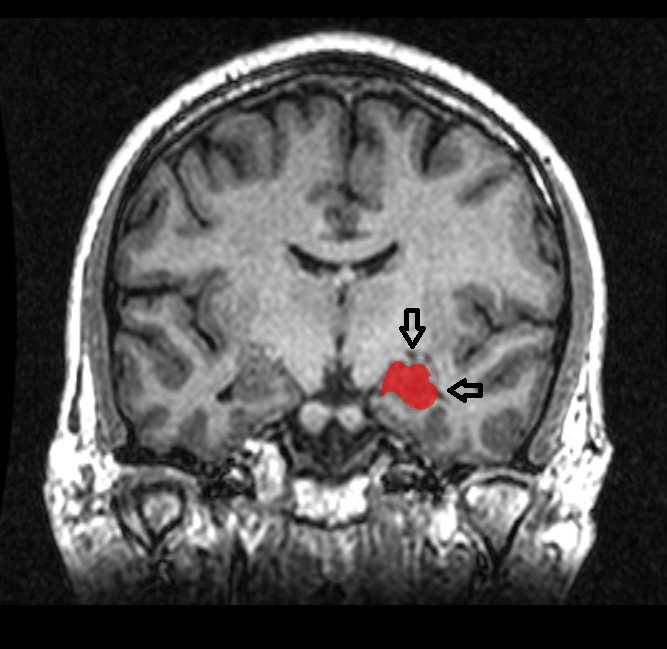
Randomized trials in older men with low or low-normal testosterone did not show meaningful improvements in memory or other cognitive domains. Testosterone is not an established cognitive enhancer.
A hormone association does not prove cognitive treatment
Testosterone receptors and androgen-related pathways exist in the brain, and observational studies have linked hormone levels with cognitive measures. Those findings can generate hypotheses, but they are vulnerable to age, illness, education, cardiovascular risk, sleep, depression, and reverse causation.
A useful treatment test requires random assignment, placebo control, adequate exposure, and standardized cognitive measures. It must also distinguish objective performance from a participant’s feeling that memory has worsened. The two can diverge substantially.
The Cognitive Function Trial directly tested memory
The Testosterone Trials enrolled men age 65 or older with testosterone below 275 ng/dL. A cognitive substudy focused on 493 men with both subjective memory complaints and objective age-associated memory impairment. Participants received testosterone gel or placebo for one year.
Testosterone raised hormone levels but did not improve delayed paragraph recall, visual memory, executive function, or spatial ability. Both groups improved on some repeat testing, which illustrates why a placebo comparison matters: familiarity with a test can look like treatment response.
A three-year trial reached the same conclusion
The TEAAM trial followed older men with low or low-normal testosterone for 36 months. Testosterone increased total and free testosterone substantially. It did not produce between-group improvement in visuospatial ability, verbal fluency, verbal memory, dexterity, attention, or executive function.
Longer exposure makes this a useful complement to the one-year Testosterone Trials. Neither study proves that no subgroup could ever benefit, but together they argue strongly against selling testosterone as a general memory or focus enhancer for older men.
The participants define the limits
These trials studied older men, not younger people with traumatic brain injury, pituitary disease, or a specific neurodegenerative diagnosis. The Cognitive Function Trial also did not establish a treatment for Alzheimer disease or mild cognitive impairment from every cause.
At the same time, lack of perfect generalizability is not permission to make a broad claim. A seller who promises sharper focus should provide direct randomized evidence for the intended population, dose, formulation, duration, and validated cognitive outcome.
Memory complaints deserve a broader evaluation
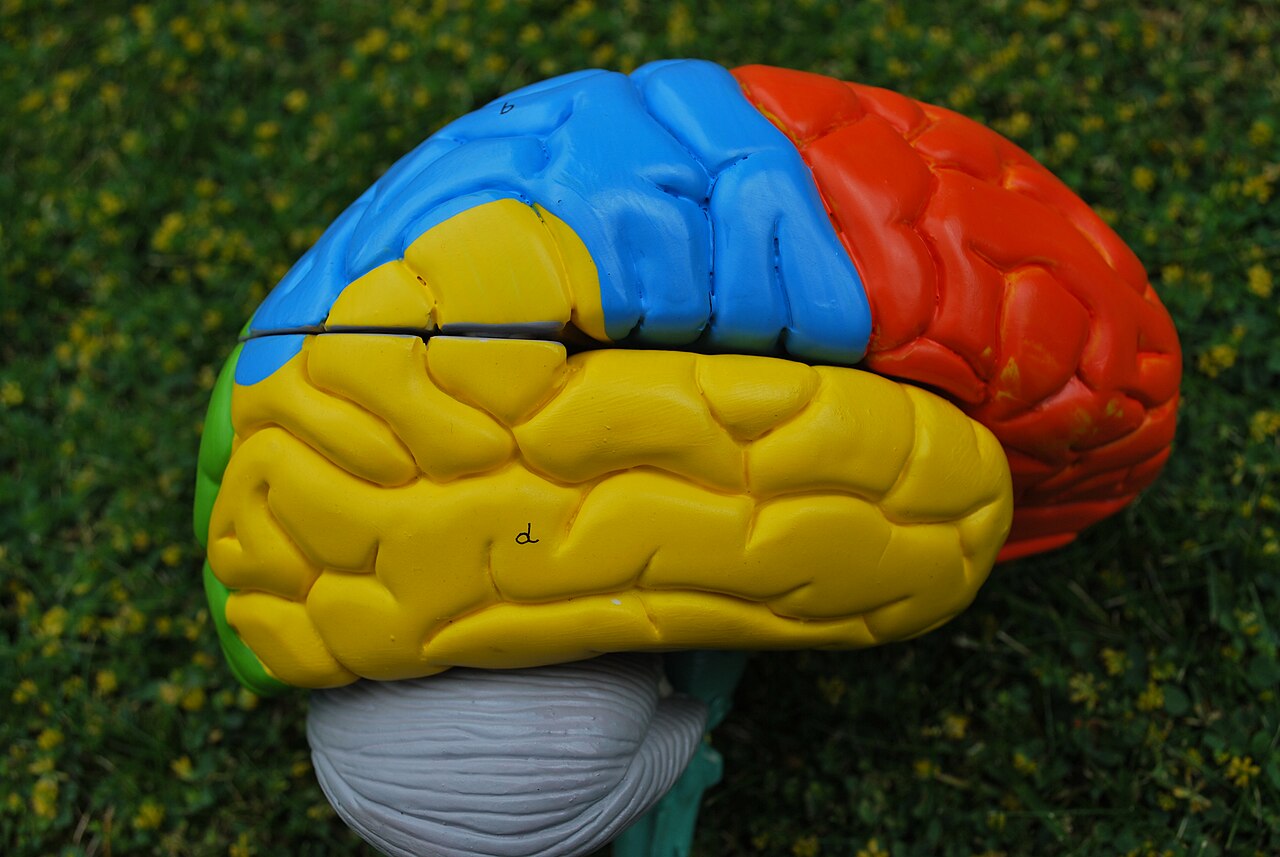
Sleep apnea, insomnia, depression, anxiety, alcohol, sedating medicines, thyroid disease, vitamin B12 deficiency, hearing loss, and cardiovascular conditions can affect cognition. Sudden confusion or new focal neurologic symptoms requires urgent assessment, while progressive decline deserves a structured medical evaluation.
Correcting a true deficiency can still be appropriate for other hypogonadal symptoms. The absence of cognitive benefit does not make testosterone ineffective for every indication; it prevents one unsupported indication from being added to the list.
Use objective outcomes
If testosterone is prescribed for confirmed hypogonadism, identify the symptom target before treatment and do not redefine success as better concentration after the fact. Sexual function, anemia, body composition, adverse effects, and treatment burden can be assessed separately.
For cognition, use validated screening or neuropsychological testing when clinically indicated, and address reversible contributors. The current randomized evidence supports a clear guide conclusion: raising testosterone into a younger reference range did not improve memory or the tested cognitive abilities in these older men.
Cognitive enhancement claims need the right endpoint
A faster workout, improved libido, or better mood can make someone feel mentally sharper without changing memory performance. Those indirect benefits may still matter, but they should not be marketed as neuroprotection or reversal of cognitive decline. A claim about memory requires a validated memory outcome and a clinically meaningful difference.
Short computerized tests sold with hormone programs may have strong practice effects and weak real-world relevance. Ask whether the measure predicts everyday function, whether scoring was blinded, and whether the result was prespecified. A post hoc improvement on one of many tasks is much weaker than a successful primary endpoint.
When cognition is the concern, establish whether the problem is memory storage, attention, language, executive function, or mood-related concentration. These domains have different causes and tests. A vague complaint of brain fog is not a specific androgen endpoint.
Sources & further reading
This article provides educational information. Ask a qualified clinician or pharmacist about your symptoms, medical conditions, medicines and supplement interactions.