Testosterone and fractures: stronger bone measures did not mean fewer fractures
A large trial found more clinical fractures with testosterone despite prior evidence of improved bone density. Learn why surrogate and clinical outcomes can diverge.
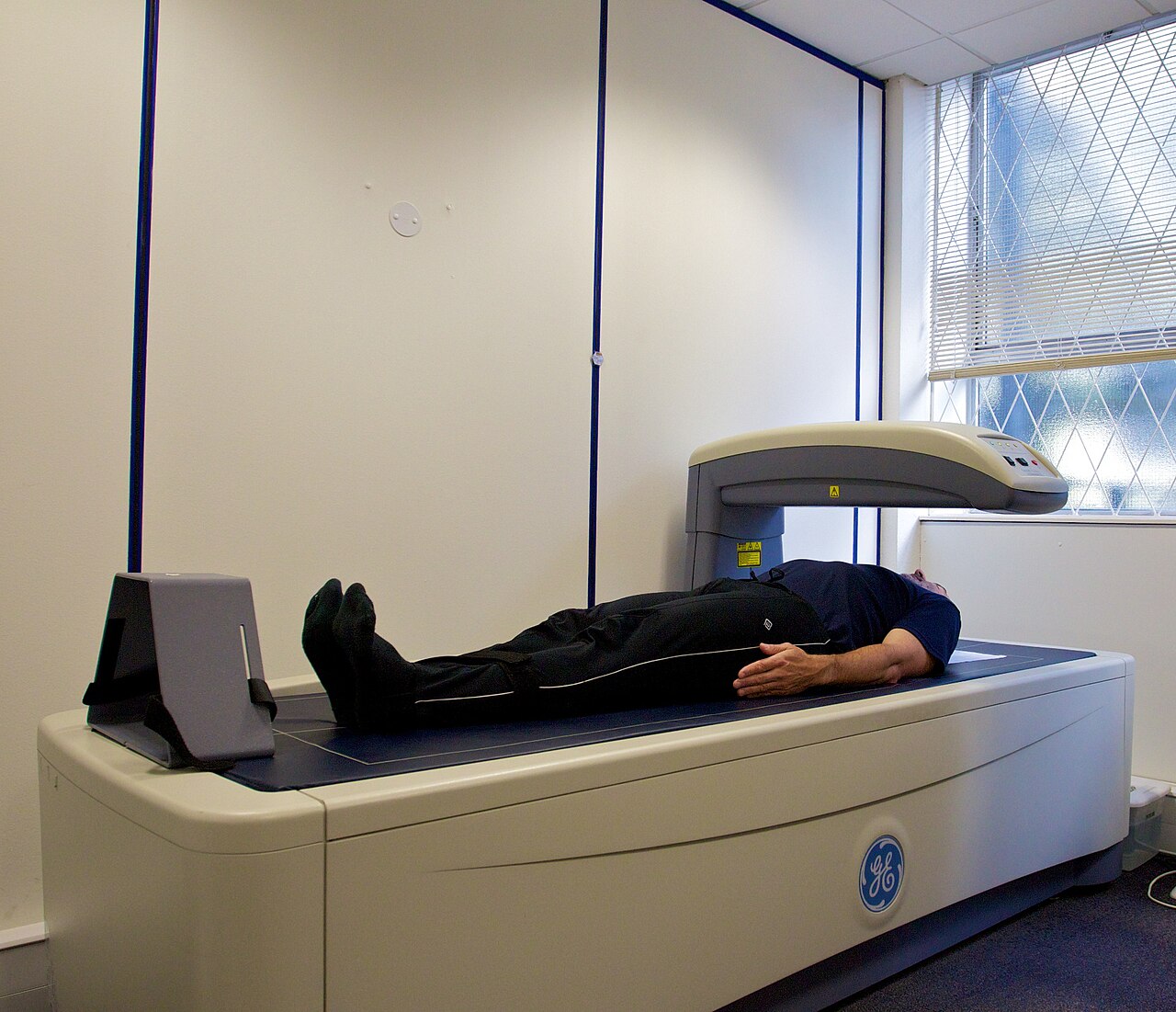
Testosterone can improve bone-density measures in some hypogonadal men, but the TRAVERSE fracture study did not show fracture prevention and observed more clinical fractures in the testosterone group.
Bone density and fractures are different outcomes
Bone mineral density is a useful risk marker, but patients experience fractures, not scan percentages. A treatment can improve a surrogate measure without reducing falls, trauma, or the structural weaknesses that produce clinical fractures. That distinction is central to interpreting testosterone research.
Earlier testosterone trials showed increases in volumetric bone density and estimated strength in selected older men with low testosterone. Those findings created a reasonable hypothesis that treatment might reduce fractures, but the trials were not large enough or long enough to prove that outcome. A dedicated event analysis was still needed.
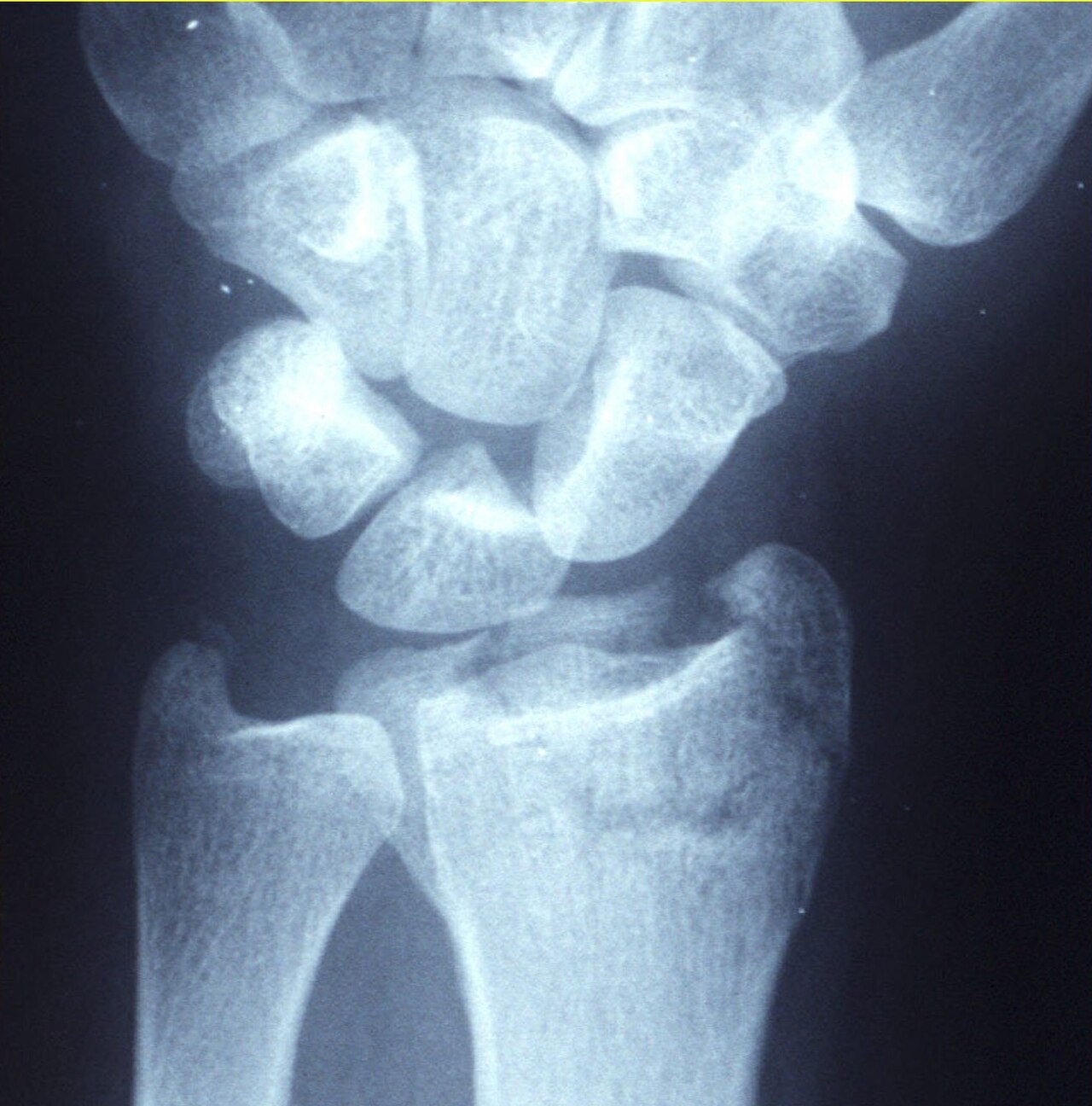
The TRAVERSE fracture result was unexpected
The fracture analysis included 5,204 middle-aged and older men with hypogonadism who were assigned testosterone or placebo gel. After a median follow-up of about 3.2 years, clinical fractures occurred in 3.50% of the testosterone group and 2.46% of the placebo group. The hazard ratio was 1.43, with a 95% confidence interval from 1.04 to 1.97.
The investigators concluded that testosterone did not lower clinical-fracture incidence and that fractures were numerically higher with treatment. This does not prove a simple direct mechanism in which testosterone weakens bone. It shows that the predicted clinical benefit did not appear and that the excess deserves explanation and caution.
Why might a bone marker and fracture outcome diverge?
Fracture risk depends on more than bone density. Falls, balance, activity exposure, vision, neuropathy, medications, alcohol, muscle function, and the type of trauma all matter. If treatment changes activity or risk-taking, exposure to falls could change even while bone density improves. The trial was not designed to establish a single mechanism for the fracture difference.
Chance, ascertainment, fracture location, and baseline risk are also part of interpretation. The events were adjudicated, which strengthens confidence that fractures occurred, but secondary analyses cannot answer every causal question. The signal should generate further research rather than a confident story invented after seeing the result.
Testosterone is not an osteoporosis substitute
Men with osteoporosis or a high calculated fracture risk have evidence-based evaluation and treatment pathways. These include searching for secondary causes, ensuring adequate calcium and vitamin D intake, resistance and balance training, fall prevention, and prescription osteoporosis medicines when indicated. Testosterone should not replace those therapies simply because low testosterone is present.
In appropriately diagnosed hypogonadism, testosterone may still be prescribed for its established symptom and body-composition indications. Bone health can be monitored as part of care, but fracture prevention needs its own plan. A density improvement should not be used to claim protection that a clinical trial did not demonstrate.

Who should discuss bone risk?
Men with a prior low-trauma fracture, long-term glucocorticoid or opioid use, very low body weight, heavy alcohol use, smoking, mobility problems, or conditions affecting absorption or hormones should discuss bone assessment. Severe or long-standing hypogonadism itself can contribute to low bone mass.
A dual-energy X-ray absorptiometry scan may be appropriate based on age and risk factors. The decision should follow clinical guidance, not a supplement advertisement. Anyone starting testosterone can ask whether baseline bone density, fall risk, vitamin D status, or osteoporosis treatment needs separate attention.
Read benefits and harms on the same scale
When a therapy improves a laboratory or imaging marker, look for evidence that it improves outcomes people notice or avoids events they fear. The fracture study is a clear example of why surrogate success does not guarantee clinical success. It also illustrates the value of large randomized trials that continue monitoring beyond the primary question.
The practical conclusion is measured: do not prescribe testosterone solely to prevent fractures, do not abandon appropriate therapy based on one secondary signal, and do not ignore the finding. Confirm the hormone diagnosis, target symptoms with demonstrated benefit, and manage fracture risk directly with a clinician.
Fall prevention deserves equal billing with bone medication: review sedating drugs, vision, footwear, home hazards, balance, and neuropathy. A stronger scan cannot prevent a fracture caused by an avoidable fall if the exposure itself is never addressed.
Sources & further reading
This article provides educational information. Ask a qualified clinician or pharmacist about your symptoms, medical conditions, medicines and supplement interactions.