Testosterone Therapy and Sleep Apnea: A Practical Safety Guide
What trials show about testosterone and obstructive sleep apnea, which symptoms matter, and how to monitor treatment safely.
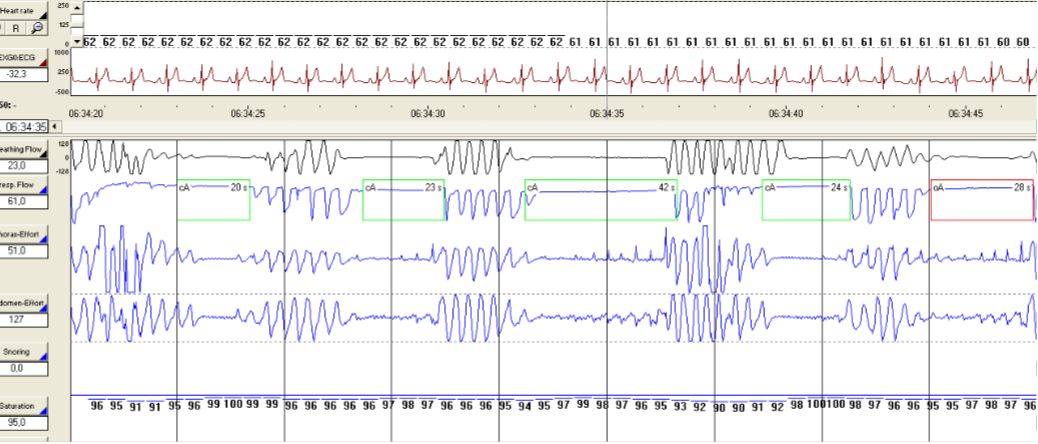
Testosterone may temporarily worsen breathing measures in some men with severe obstructive sleep apnea, so screening symptoms and treating apnea matter before and during therapy.
Better energy is not a reason to ignore nighttime breathing
Low testosterone and obstructive sleep apnea often travel with the same companions: higher body weight, fatigue, low mood and poor sleep. That overlap makes guessing unreliable. A person can have both conditions, and treating one does not automatically fix the other. Loud snoring, witnessed pauses, gasping and marked daytime sleepiness deserve their own evaluation.
Sleep loss itself can affect hormones, but the evidence is not a simple “bad sleep equals low T” rule. Our guide to sleep restriction and mixed testosterone evidence explains why sleep history belongs beside repeat morning testing rather than replacing it. The related guide “Short sleep and testosterone: why the evidence is more mixed than the headlines” adds useful context.
The key trial found a time-limited change
In a randomized trial of 67 obese men with severe obstructive sleep apnea, injectable testosterone undecanoate worsened the oxygen desaturation index and time spent below 90% oxygen at seven weeks. By 18 weeks, those measures were not significantly different from placebo. The result signals caution, but it does not prove that every dose, route or patient follows the same curve.
A mechanistic substudy did not find broad differences in awake ventilatory reflexes, although some changes tracked with nighttime hypoxemia. These were small studies in a specific population. They support monitoring, not a claim that testosterone always causes apnea or that a later normal result makes early worsening harmless.
Untreated severe apnea changes the risk conversation
Current testosterone labels warn that treatment may potentiate sleep apnea in people with risk factors. Many clinical guidelines advise against starting therapy in untreated severe obstructive sleep apnea. The practical step is to identify severity and treatment status, not to treat every snorer as if the answer is already known.
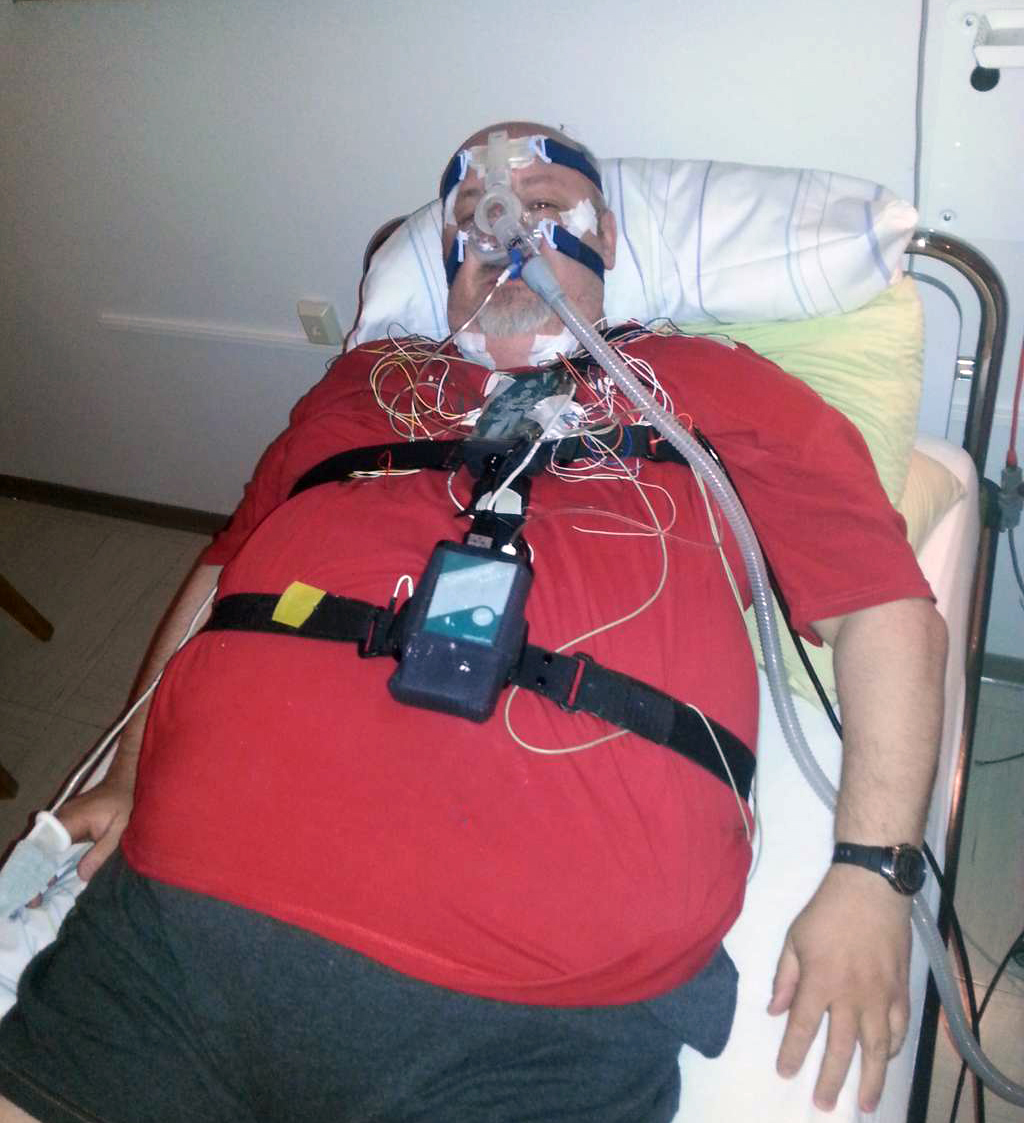
A sleep study may be appropriate when symptoms or screening scores point that way. Positive airway pressure, weight management and other apnea treatments address repeated airway collapse; testosterone does not. Low energy can also come from anemia, thyroid disease, depression, medicines or insufficient sleep, so a broad workup prevents tunnel vision. For a deeper explanation, see “Low testosterone and anemia: when hormone treatment raises hemoglobin.”
What to watch after testosterone starts
Ask a bed partner whether snoring or pauses changed, and track morning headaches, nocturia, daytime sleepiness and CPAP use. New or worsening symptoms should prompt a clinician call and possibly repeat sleep testing. Dose escalation should not happen automatically while breathing concerns are unresolved.
Hematocrit also deserves attention because both testosterone and low nighttime oxygen can push red-cell levels upward. The testosterone erythrocytosis monitoring guide explains why a high hematocrit is a safety finding to evaluate, not proof that treatment is “working better.” A practical companion is “Testosterone and hematocrit: why a rising blood count changes the treatment plan.”
Build one plan for two conditions
Bring the sleep-clinic report, CPAP data and testosterone prescription to the same conversation when possible. Confirm how testosterone will be measured, when symptoms will be reviewed and who will respond if apnea control slips. Men planning a pregnancy should separately review fertility effects because external testosterone can suppress sperm production. The background is covered in “Testosterone testing: why timing and a repeat result matter.”
The balanced message is neither “TRT is forbidden with sleep apnea” nor “CPAP makes the issue disappear.” Severity, treatment adherence, dose and individual response matter. Treat the apnea, use testosterone only for a confirmed indication, and let follow-up data—not confidence—guide the next step.
A practical pre-start checklist includes neck circumference or a validated apnea screen when appropriate, blood pressure, hematocrit and a record of current CPAP use. After a dose or route change, pay attention during the early weeks rather than waiting for an annual visit. If CPAP data show more events or mask use has fallen, share the download with both clinicians. Alcohol, sedatives and nasal congestion can also worsen nighttime breathing, so review them instead of assigning every change to testosterone. The goal is coordinated adjustment: improve sleep-disordered breathing, keep hormone dosing within the prescribed range and reassess whether the symptoms that led to treatment are actually improving. Never change CPAP pressure or testosterone dose on the basis of a consumer wearable alone; home devices can show trends but do not replace a validated sleep study or clinical download.