Tongkat ali and testosterone: the extract is part of the evidence
How to compare tongkat ali studies with retail labels, distinguish clinical outcomes, and avoid treating all extracts as equivalent.
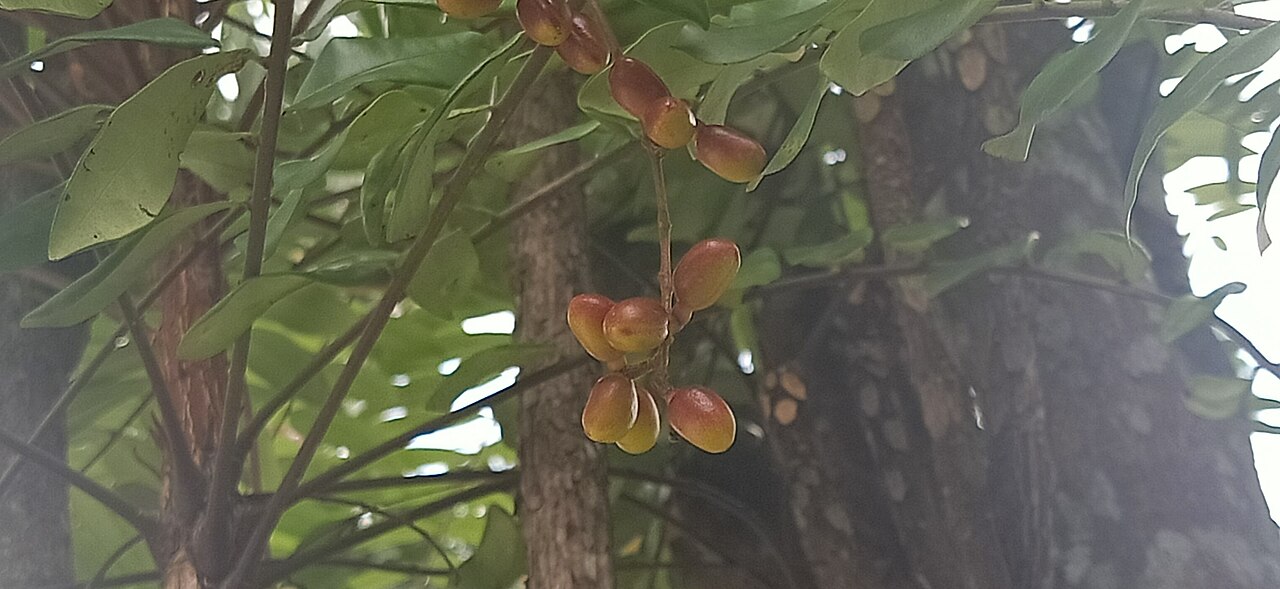
Research on a particular tongkat ali preparation cannot automatically validate a different extract or a multi-ingredient booster.
The plant name does not finish the comparison
Tongkat ali, also called Eurycoma longifolia, appears in supplements marketed for testosterone and male vitality. Seeing the botanical name on both a label and a paper can create a strong impression of scientific support. However, the shared name does not establish that the retail product matches the preparation researchers tested. The extract is part of the intervention, not a minor manufacturing detail.
Begin a comparison by recording the botanical identity, plant part, extraction method, standardization information, and individual amount. Then locate the corresponding details in the cited study. If the product supplies only a concentration ratio or a general statement about potency, the evidence match remains incomplete. A larger front-panel number cannot resolve missing information about what was actually extracted and tested.
Keep a copy of the current label because retailers sometimes show older packaging or incomplete ingredient information online.

Read the intervention as a whole
A 2021 randomized, double-blind, placebo-controlled trial examined tongkat ali together with a study of concurrent training in men described as having androgen deficiency of aging males. This design involves a particular participant group and a structured context. Its existence cannot establish an identical effect in every healthy adult or every person buying a different formulation online.
Another randomized study investigated a proprietary combination of tongkat ali and Polygonum minus for sexual performance and well-being. A combination study asks about the combination; it cannot isolate tongkat ali as the sole cause of any result. When reading an advertisement, check whether an ingredient-only claim is being supported by a paper in which the intervention included something else.
A hormone result is not a bundle of benefits
NIH's LiverTox resource summarizes small human studies reporting modest changes in total testosterone with tongkat ali and notes that other hormone measures may not change in the same way. The practical interpretation is narrower than a promise of greater strength, better sexual performance, and improved energy all at once. Each hoped-for benefit needs relevant outcome data.
Ask which outcomes were measured directly and which are inferred from a laboratory result. If a trial collected symptom questionnaires, inspect those results separately. A finding for one hormone measure does not establish treatment of hypogonadism, and a symptom score does not establish correction of its underlying cause. Keeping these questions separate makes both favorable and unfavorable results easier to interpret.
Duration and selection limit generalization
A trial's participants are chosen using entry criteria, while commercial products are available to a much broader group. Age, baseline hormone status, medicines, and other circumstances can change the relevance of a finding. The appropriate question is whether the study resembles the decision you face, not whether the abstract contains a promising sentence.
Duration also matters. A result after a defined research period does not establish continued benefit or indefinite safety. Case reports and clinical trials provide different types of information, and neither should be exaggerated. A report of a possible adverse effect raises a question for evaluation; it does not tell every user their personal probability. Conversely, a small study without a reported problem cannot establish that no problem exists.
Use an evidence request before a purchase
Ask the manufacturer for the exact study supporting the current product and an explanation of any differences in preparation. Keep the full label and source link for discussion with a clinician or pharmacist. If your concern is persistent tiredness, sexual symptoms, or suspected hormone deficiency, describe that concern directly rather than beginning with the assumption that tongkat ali is the missing solution.
This guide offers no regimen or individual treatment recommendation. Its purpose is to make an evidence comparison concrete. Tongkat ali research can be evaluated without dismissing every positive signal or accepting every commercial interpretation. A credible claim needs the same preparation, a relevant population, an appropriate outcome, and a clear account of remaining uncertainty.
Sources & further reading
This article provides educational information. Ask a qualified clinician or pharmacist about your symptoms, medical conditions, medicines and supplement interactions.