Butea Superba for Erectile Function: Why Product Quality Matters
A close look at Butea superba, its small clinical evidence base, a failed replication and the risk of adulterated batches.

Butea superba has limited human evidence, and a failed replication tied to a suspect study batch shows why finished-product quality matters as much as ingredient theory.
An appealing herb with a cautionary research story
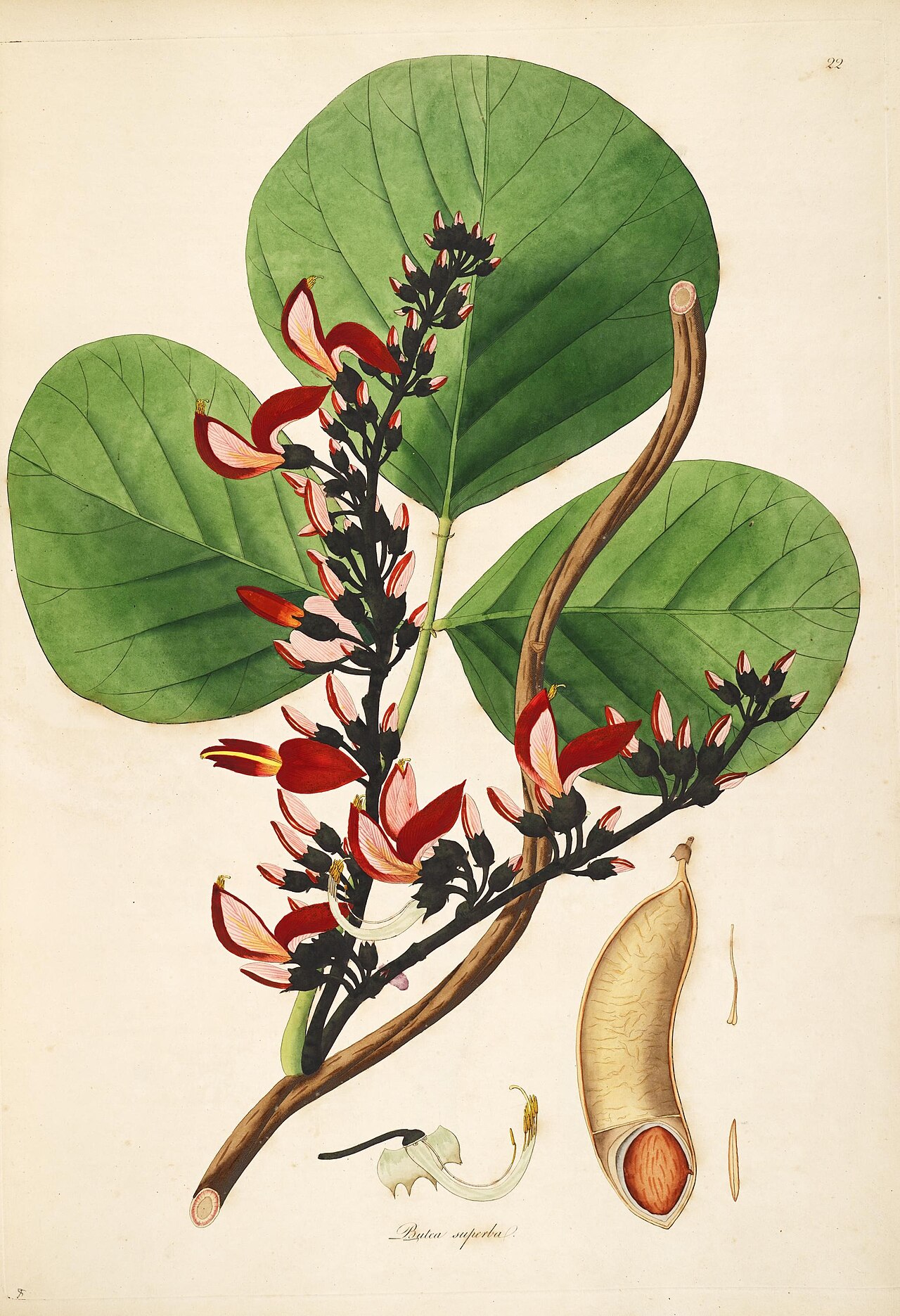
Butea superba is a climbing plant used in Thai traditional medicine and sold in male sexual-wellness supplements. The promise is easy to understand: a botanical option for erection concerns. The evidence is much harder to package. Human studies are small, old and unusually instructive about the difference between a named herb and the actual material inside a capsule.
Erectile dysfunction can reflect blood-vessel disease, diabetes, medication effects, nerve injury, stress or low testosterone, among other causes. The guide to erectile dysfunction as a heart-risk signal explains why a persistent new symptom deserves a health review, not only a supplement search. The related guide “Erectile dysfunction and heart risk: why a sexual symptom can earn a vascular check” adds useful context.
One positive trial did not settle the question
A 2003 randomized double-blind study reported improved questionnaire scores in men given Butea superba. The trial was small and used a particular preparation. It did not establish that every extract, dose or commercial blend improves erections, and it did not provide the kind of large, independently replicated evidence expected for an approved ED medicine.
A later investigation tried to repeat the finding and could not. The researchers reported that the supplier said the original batch may have been blended with a phosphodiesterase-5 inhibitor. That possibility turns a disappointing replication into a central lesson: an apparently strong herbal effect may come from an undeclared drug.
Adulteration is a medical risk, not a labeling technicality
Undeclared PDE5 drugs can interact dangerously with nitrates and may be risky for people with unstable heart disease or low blood pressure. The FDA repeatedly warns that sexual-enhancement products are a category in which hidden drug ingredients are found. A product absent from a warning list is not automatically tested or cleared.
Yohimbe and yohimbine safety concerns offer another example of why “herbal” does not mean predictable. Botanical species, extraction, dose, contaminants and other ingredients all change the risk. Third-party verification can improve confidence in identity and contaminants, but it does not prove that the formula works. For a deeper explanation, see “Yohimbe supplements: unpredictable dosing meets real cardiovascular risk.”
How to read a finished formula without borrowing the trial
Male UltraCore lists Butea superba within a proprietary blend for male sexual wellness. The label does not disclose the individual Butea dose, and the small studies above do not establish outcomes for this finished product. Its purchase terms describe recurring shipments after the initial order, so read the current price, renewal timing and cancellation terms before buying.
A multi-ingredient formula also makes attribution difficult. Even when one ingredient has a plausible mechanism, the blend may use a different extract or amount. Avoid claims that it is equivalent to sildenafil or that it increases penis size, testosterone or erection quality unless reliable product-specific trials directly support that outcome. A practical companion is “Do testosterone boosters work? How to read the evidence before buying.”
A safer decision starts with the cause
Seek urgent care for chest pain, severe shortness of breath or an erection lasting more than four hours. For persistent ED, review cardiovascular risk, medicines, sleep, mood and hormone symptoms. Testosterone and erection function overlap, but a normal or low result cannot explain every case. The background is covered in “Testosterone, libido and erections: one treatment does not fix every sexual symptom.”
If you still choose a supplement, use a transparent seller, review recurring-order terms and avoid combining products. Tell the clinician about every ingredient, especially before nitrate therapy or an ED prescription. Butea superba remains an evidence candidate, not a proven substitute for diagnosis or approved treatment. Next, read “L-arginine for erectile dysfunction: a nitric-oxide theory with uneven trial results.”
Read the Supplement Facts panel and lot information before opening the bottle, and save photographs in case an adverse event needs to be reported. Be wary of claims built around immediate, prescription-like effects, “herbal Viagra” language or guaranteed enlargement. Those promises are both medically implausible and common warning signs in a category with recurrent adulteration. If a supplement seems to produce an unusually strong rapid effect, that is not proof of quality. Stop combining it with other sexual-enhancement products, discuss the reaction with a clinician and consider reporting the product through FDA MedWatch. A cautious trial never replaces evaluation for a persistent change in erection quality.