Finasteride Sexual Side Effects: Risk, Persistence and Choices
A measured guide to sexual side effects from finasteride for hair loss, including persistence reports and care options.
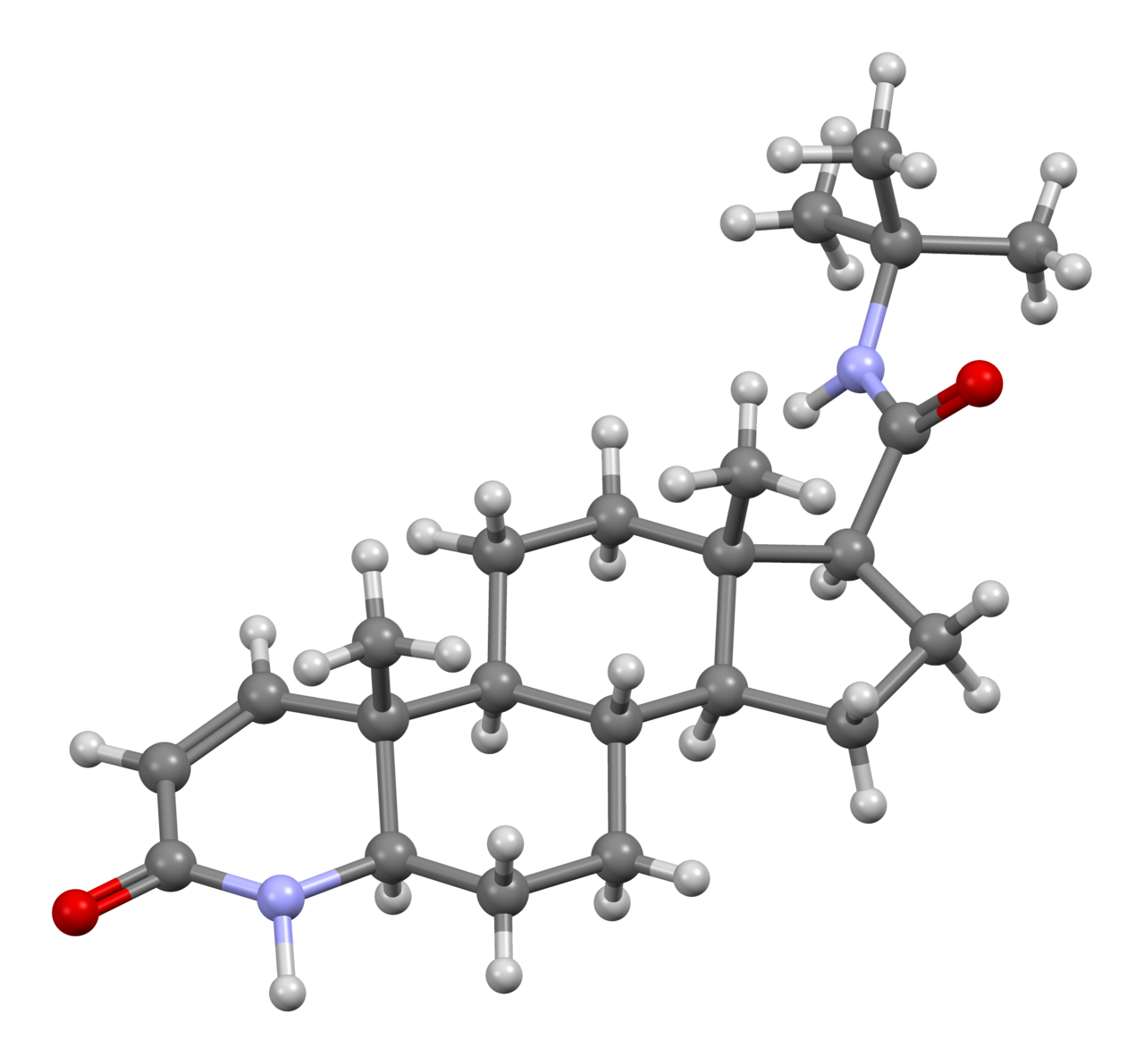
Finasteride can increase sexual side-effect risk during treatment; persistent symptoms are reported, but their frequency and causation are harder to estimate from current evidence.
Hair benefits and sexual concerns can be discussed together
Finasteride 1 mg can slow male-pattern hair loss by blocking type II 5-alpha-reductase, the enzyme that converts testosterone to dihydrotestosterone. The same hormonal action explains why reduced libido, erection difficulty and ejaculation changes appear in safety discussions. A useful decision does not dismiss the symptoms or assume they will happen to everyone.
Hair loss has other causes, and the creatine, testosterone and hair-loss evidence is often misquoted online. Confirming a typical androgenetic pattern before treatment prevents a hormone-focused medicine from being used for shedding caused by illness, iron deficiency, thyroid disease or scarring conditions. The related guide “Creatine is a performance supplement, but that does not make it a testosterone booster” adds useful context.

Randomized trials show a small but real average increase
A meta-analysis of 15 randomized double-blind trials in 4,495 men with androgenetic alopecia found that finasteride or dutasteride increased the relative risk of sexual dysfunction. For finasteride, the pooled relative risk was 1.66 compared with placebo. Relative risk does not reveal one person’s absolute chance, which depends on the baseline rate.
Trials are valuable because randomization reduces many biases, but adverse-event collection can be inconsistent and follow-up may be too short for delayed questions. The product label reports decreased libido, erectile dysfunction and ejaculation disorder among adverse reactions and also lists postmarketing reports that persisted after discontinuation.
Persistence is reported, while frequency remains uncertain
A 2011 interview study described 71 men with sexual symptoms lasting at least three months after stopping finasteride. It documented a troubling patient experience, but recruitment from people already reporting persistent problems, recall limits and the absence of a comparison group mean it cannot estimate how often persistence occurs or prove causation in every case.
That nuance is not a reason to ignore persistent symptoms. It is a reason to describe the evidence accurately. Mood changes, depression, fertility concerns and sexual symptoms deserve a clinician review, including other medicines, vascular risk, relationship factors and hormone or neurologic conditions when appropriate. For a deeper explanation, see “Testosterone therapy and fertility: why a higher blood level can lower sperm production.”

A current telehealth pathway still requires a prescription decision
Total Male Rx currently lists oral finasteride 1 mg for male-pattern hair loss through an online clinical evaluation. It is a prescription service, not a supplement store, and approval is not guaranteed. Review eligibility, price, refill terms, privacy practices and the current label with the licensed prescriber before accepting treatment.
Topical finasteride may reduce systemic exposure in some formulations, but compounded products are not automatically FDA-approved and formulations differ. Do not treat a topical dose as risk-free or equivalent to every study. Ask which product is prescribed, whether it is FDA-approved or compounded, and how adverse effects are reported. A practical companion is “Erectile dysfunction and heart risk: why a sexual symptom can earn a vascular check.”
Make the choice reversible and observable
Before starting, note baseline sexual function, mood, fertility plans and all medicines. Agree on what benefit will be photographed or measured and when. Contact the prescriber for new sexual or mood symptoms rather than silently continuing or abruptly adding hormone supplements. The background is covered in “Testosterone, libido and erections: one treatment does not fix every sexual symptom.”
A hair-loss plan can include minoxidil, hairstyle approaches, watchful waiting or specialist care, depending on diagnosis and preference. Finasteride is a legitimate evidence-based option, not a mandatory one. The practical goal is informed consent: a realistic hair benefit weighed against side effects that matter to the person taking it.
Use standardized photographs in the same light and angle every few months; checking the mirror daily makes normal variation look like treatment failure. Ask how long a fair trial should last and what happens to gains after stopping. People who are trying to conceive may want a semen discussion if fertility concerns or abnormal results already exist. Finasteride tablets should not be handled when crushed or broken by someone who is or may be pregnant because of potential risk to a male fetus. Seek prompt help for severe depression, suicidal thoughts, testicular pain, breast lumps or nipple discharge, and report persistent sexual symptoms rather than assuming they must be endured. If the medicine is stopped, document the timing and course of symptoms; a clear timeline helps the clinician assess other causes and plan follow-up.