Optimum Nutrition Tribulus 625 Caps Review: Formula & Research
Optimum Nutrition Tribulus 625 Caps review: what studies of the current formula show, which claims remain uncertain, and how ingredient research applies to the formula.
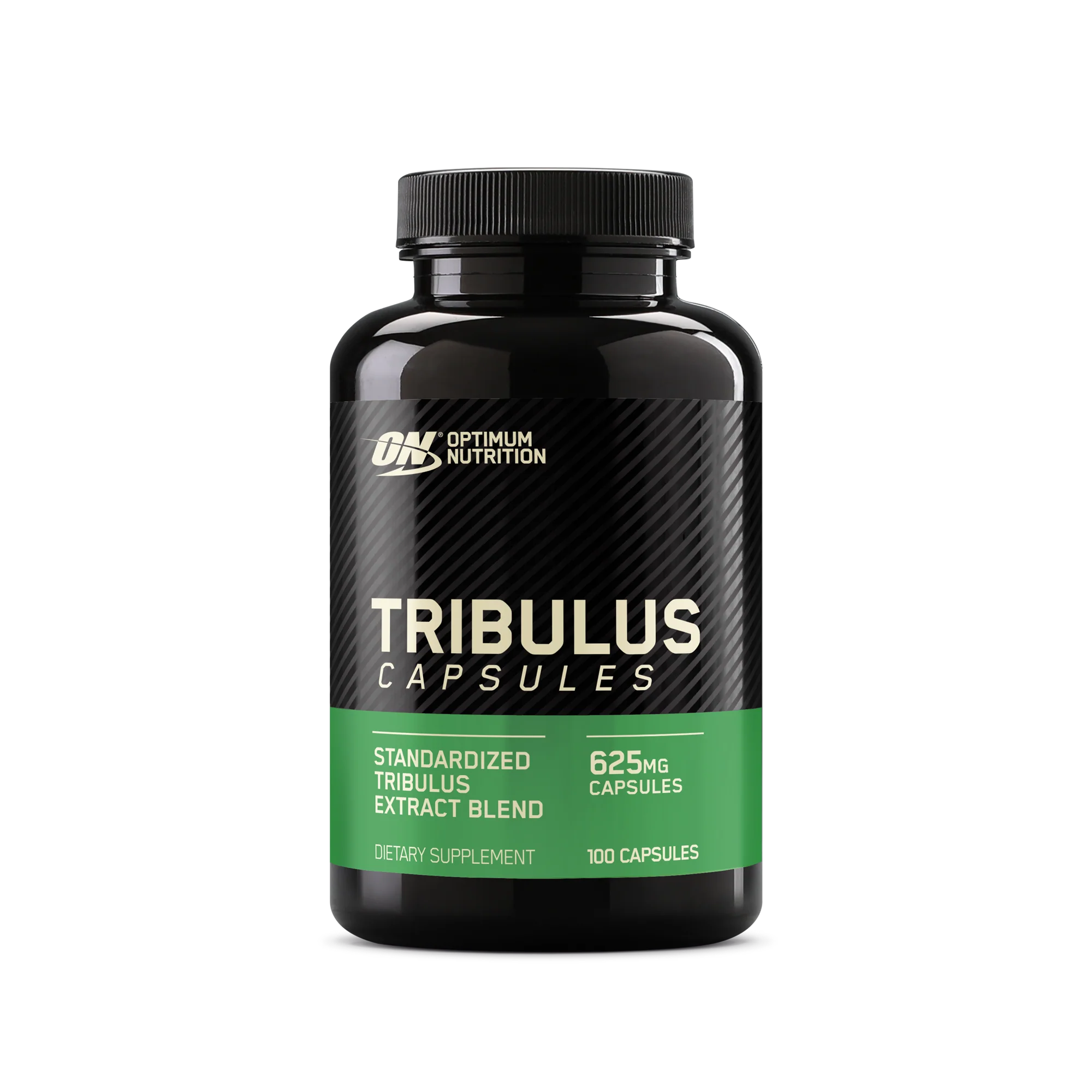
Optimum Nutrition Tribulus 625 makes a straightforward proposition: a recognizable sports-nutrition brand, one principal botanical, and an uncomplicated capsule routine. That simplicity is its most useful feature. A shopper does not have to untangle a dozen botanicals or wonder which component is responsible for an effect. The harder question is whether tribulus itself is likely to achieve the shopper's goal. Buying a familiar brand does not settle that scientific question, and the answer.
Published-label and research assessment. We checked current catalog information, available Supplement Facts images and linked scientific sources. No personal use, independent laboratory testing or head-to-head trial is claimed. Two promotional recommendations concern products or services sold by the owner of this publication.
Is Optimum Nutrition Tribulus 625 Caps the right fit for your goal?
Optimum Nutrition Tribulus 625 Caps is worth evaluating for its actual formula and current label, rather than its reputation alone. This review looks at what the research establishes: what is documented, where the evidence is limited, and which practical questions matter before a purchase. The aim is a useful decision, not a score assembled from promotional claims.
We also identify Max T as a category-matched option from our own range in two clearly marked recommendation sections. That commercial relationship does not change the evidence standard applied to Optimum Nutrition Tribulus 625 Caps. Genuine strengths are acknowledged, unresolved details stay unresolved, and no hands-on testing or clinical superiority is invented.
A focused botanical with a narrower promise than the category suggests
Optimum Nutrition Tribulus 625 makes a straightforward proposition: a recognizable sports-nutrition brand, one principal botanical, and an uncomplicated capsule routine. That simplicity is its most useful feature. A shopper does not have to untangle a dozen botanicals or wonder which component is responsible for an effect. The harder question is whether tribulus itself is likely to achieve the shopper's goal. Buying a familiar brand does not settle that scientific question, and the answer differs depending on whether the goal is libido, a laboratory testosterone increase, or gym performance.
The fairest review separates those goals before reaching a verdict. Someone seeking a carefully identified tribulus supplement might reasonably value this format. Someone expecting a substitute for diagnosed-low-testosterone treatment or a reliable erection medicine would be asking substantially more than the available evidence supports. This is a dietary supplement, and an honest evaluation should avoid presenting it as either a guaranteed breakthrough or a worthless product solely because it lacks drug-level evidence.
Read 625 milligrams at the serving level
The current US presentation describes a 625-milligram blend across two capsules. That distinction matters because the number in the product name can easily be read as a per-capsule amount. The bottle contains 100 capsules, which works out to 50 labeled servings. Those facts make routine and cost comparisons more useful than simply lining up bottle prices. A bottle lasting 50 servings should be compared with another product at its actual daily use, rather than assuming every testosterone-category bottle is a month's supply.
The blend combines plant powder and extract. These forms should not be treated as interchangeable: an extract can concentrate selected constituents, while powder represents a different preparation. The brand mentions furostanol-saponin standardization, but the currently reviewed page does not supply a numerical standardization percentage. Without that number, it is not possible to calculate a precisely quantified saponin intake or declare the formula equivalent to a particular extract used in a clinical trial. Naming the plant is a start, rather than the end of a meaningful formulation comparison.
Testosterone evidence is the central limitation
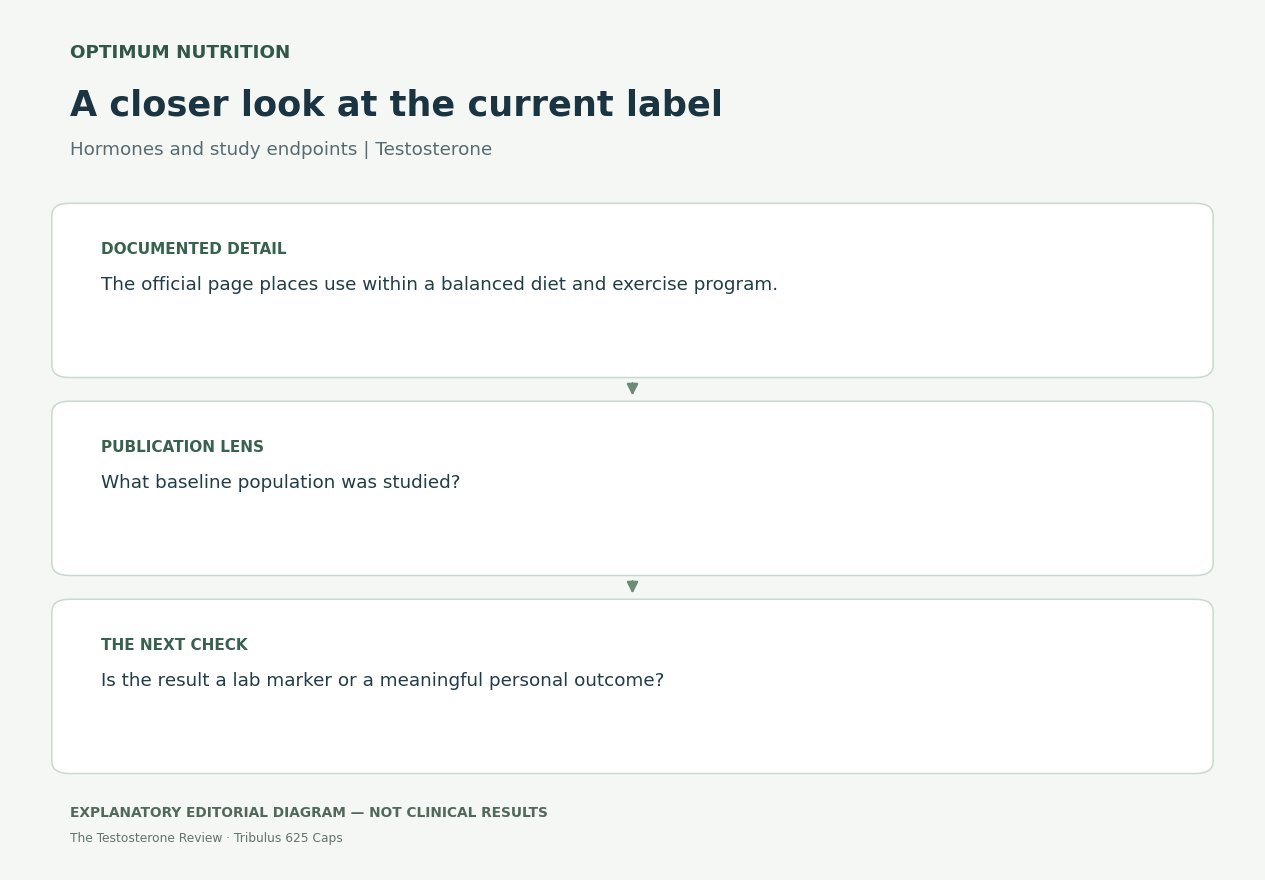
Tribulus has a long association with men's vitality, but tradition and modern hormone measurements answer different questions. A randomized study in healthy young men did not find a significant androgen-production effect. Other research has likewise failed to establish a dependable testosterone increase across healthy users. That makes a strong testosterone-boosting conclusion difficult to defend, even when the product is presented alongside sports-nutrition products and male-wellness supplements. The evidence concerns the ingredient category; it is not a laboratory test of the exact current Optimum Nutrition bottle.
In ordinary language, the important distinction is straightforward. More testosterone is a measurable claim, requiring appropriate blood testing and a credible comparison group. Feeling motivated, training well, or having a good week does not demonstrate a hormonal change. Conversely, a lack of a guaranteed hormone effect does not mean every person will report an identical experience. The appropriate conclusion is that this purchase should not be justified by a confident promise to raise testosterone, rather than pretending to know how every individual will feel.
Libido findings cannot be borrowed wholesale
Some sexual-function research has investigated standardized tribulus preparations in men with sexual difficulties. Findings have not been uniformly positive, and preparations differ. One placebo-controlled trial found no advantage for erectile symptoms or total testosterone, while another investigated a distinct standardized product and reported benefits. The practical lesson is not to choose whichever study has the most attractive headline. It is to ask whether the extract, dose, population, and endpoint match the product being reviewed closely enough to support a specific claim.
For Tribulus 625, that matching exercise remains incomplete. The evidence leaves room to recognize the ingredient's sexual-wellness history while making clear that it is not evidence that this exact blend treats erectile dysfunction. Nor should a favorable libido observation be converted into a promise of enlargement, fertility improvement, or a reliable change in hormone levels. These are separate outcomes. Keeping them separate improves the review's usefulness and prevents the reader from buying a relatively simple botanical for a problem that calls for a different type of evaluation.
A testosterone claim needs a precise question
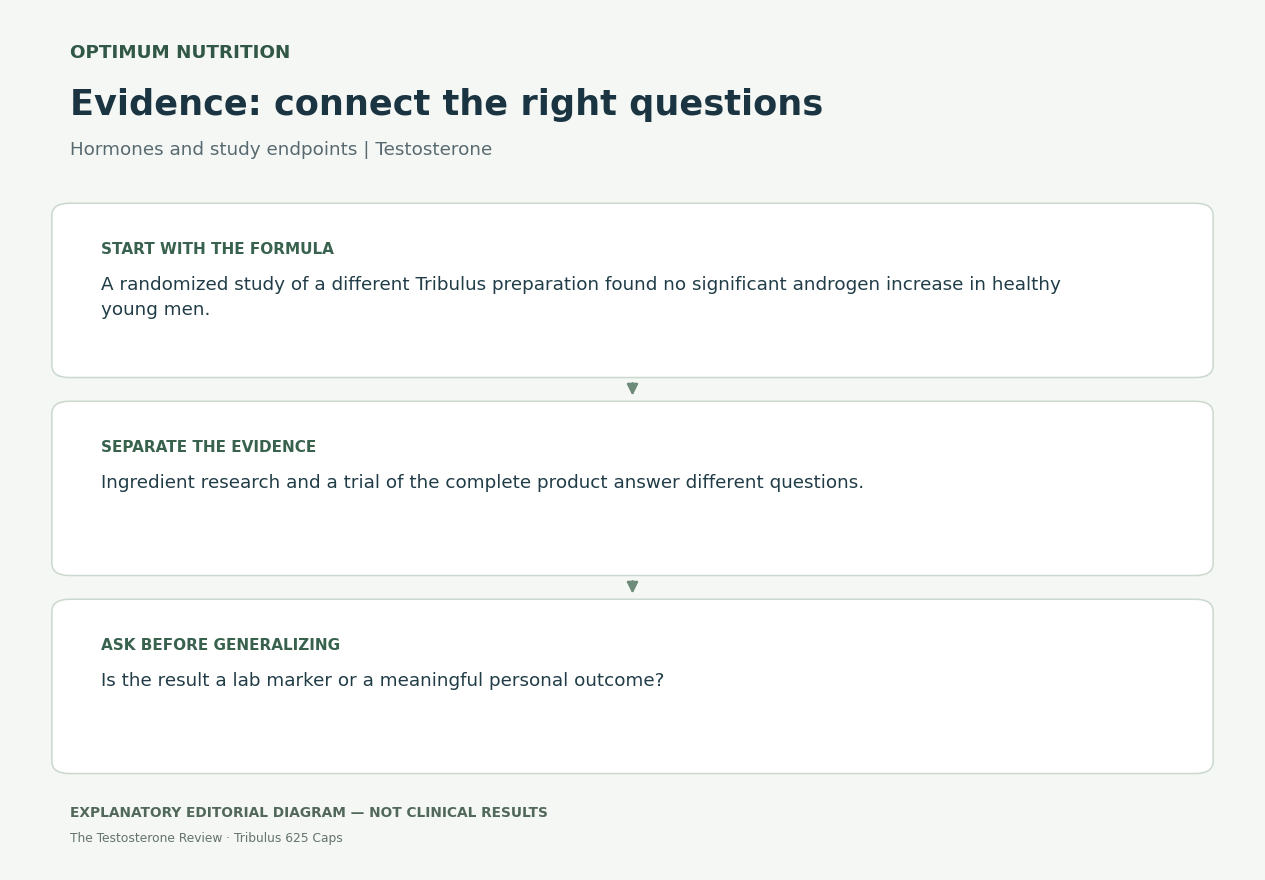
A testosterone-support label can sound more specific than the evidence behind it. Ask whether the research concerns a nutrient deficiency, a particular botanical extract, men with low baseline levels or people with values already in the usual range. Those starting points matter. Supporting adequate nutrition is a different proposition from correcting a diagnosed hormonal condition, and a supplement label cannot tell you which situation applies to you. Symptoms alone do not supply a reliable laboratory diagnosis.
When evaluating Optimum Nutrition Tribulus 625 Caps, separate what the product contains from what a testosterone-related claim would require. For products in other categories, make the boundary equally clear: a circulation formula, a hair supplement or a sexual-wellness blend does not become a testosterone treatment through association. Questions about persistent symptoms are better discussed with a clinician who can decide whether testing is appropriate and interpret results alongside medical history and medicines.
What a testosterone-support comparison should establish
A useful testosterone-support review distinguishes normal nutritional support from treatment of a hormonal disorder. A formula may combine minerals, vitamins and botanicals with different kinds of evidence. Some research concerns people with low baseline levels or a particular deficiency; other studies examine selected extracts in small groups. Neither situation justifies promising the same result to everyone. Ingredient research is relevant context, but the complete product, preparation, dose and study population still matter.
More ingredients also mean more comparison work. Check what is individually disclosed, what sits inside a blend and what overlaps with other products. Extract ratios and herb-equivalent numbers need careful reading. A plant name shared between two formulas does not establish matching exposure, and a larger headline quantity does not settle efficacy. If two sources disagree about the current formula, the disagreement should remain visible until the manufacturer resolves it.
For a reader deciding whether to buy, the reasonable conclusion is specific rather than universal. Evaluate the product’s documented strengths, unresolved questions and fit with a realistic routine. If symptoms suggest a possible hormonal issue, discuss appropriate evaluation instead of treating a supplement as a substitute for diagnosis. Our category-matched recommendation offers another label and purchase option to assess; it does not establish that an owned formula raises testosterone more effectively or treats clinically low testosterone.
Simplicity helps comparison but does not prove quality
A short ingredient concept is easier to assess than a proprietary mixture containing many unfamiliar substances. It can also make it easier for a reader or clinician to review the intended active. That is a practical strength, especially for someone who wants to avoid an elaborate stack. It should not be inflated into a claim that the product has independently verified purity, superior absorption, or a clinically proven dose unless current product-specific documentation establishes those things. Brand recognition and label clarity are useful purchasing signals, not substitute test results.
Retail listings at recognizable sellers help establish that the product has market presence. They do not establish that it is the brand's biggest seller, one of the nation's top 50 products, or better than a competitor. An evidence-based assessment can say why it selected a widely available product without inventing a sales ranking. It should also avoid borrowing the reputation of the brand's better-known protein products as proof about this botanical. Each formula deserves to be evaluated on its own label, evidence, and quality documentation.
Assess the routine and the goal together
The two-capsule serving with a meal is relatively simple to understand. A shopper who already takes several supplements should still check for overlapping ingredients or additional men's formulas that complicate the overall plan. Simplicity of use is meaningful only if the intended outcome is realistic. A low-effort capsule routine is not good value when it is purchased to solve persistent fatigue, erection difficulty, or suspected hormone deficiency without considering what may actually be causing those symptoms.
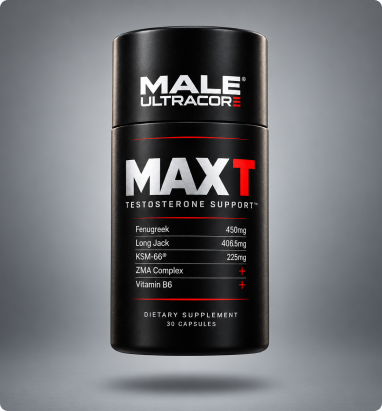
The sensible benchmark is an explicit purchasing goal. If the reader wants a basic tribulus option, the product's focused composition can be assessed directly. If the goal is broader testosterone support, the reader can compare a formula such as Max T by its own current label and evidence. That comparison should be about format, disclosed ingredients, and fit, rather than claiming that a sponsored alternative is clinically superior. There is no head-to-head trial in this research establishing that Max T outperforms Tribulus 625, and no such comparative advantage can be assumed.
Promotional alternative: compare a different testosterone-support approach
If you want a broader testosterone-support formula to compare with this focused tribulus blend, Max T is a relevant option to explore. Its current product details give you another ingredient panel, format, and set of purchase terms to assess. The reason to look is comparison, rather than a promise that one supplement necessarily produces a greater hormonal response. No head-to-head evidence reviewed here establishes that Max T raises testosterone more effectively than Tribulus625, and a different formula still needs to fit your routine and circumstances.
Consider what you actually want from the purchase before choosing between approaches. A focused botanical, a multi-ingredient supplement, and clinical assessment for persistent symptoms are different decisions. Max T's promotional recommendation does not mean tribulus has been proven useless or that a more complex formula has been proven superior. Compare the current labels, research relevance, total daily intake, and practical routine. Those details provide a more useful basis for clicking through than an unsupported claim that another bottle will solve every limitation in the evidence.
The decision: simplicity versus expectations
Tribulus625 offers an accessible, easy-to-understand botanical format, while its appeal as a testosterone booster rests on evidence weaker than its reputation might suggest. The real strengths are simplicity and clear serving arithmetic. The principal limitation is the mismatch between common hormone expectations and what human studies can establish. Someone interested in a focused tribulus product can value those strengths without assuming that it treats low testosterone, erectile dysfunction, or any other medical condition.
For a different formulation within the same category, explore Max T's current ingredients and purchase options. Compare its format and evidence using the same standards applied here, rather than treating a promotional preference as a clinical finding. If ongoing fatigue, sexual symptoms, or a suspected hormone deficiency is driving the purchase, understanding the cause deserves attention too. A good next step answers your actual question: a simpler supplement, another formulation to compare, or a professional evaluation when symptoms call for more than a supplement decision.
The endpoint matters as much as the ingredient
A laboratory marker, a questionnaire score and a meaningful change in daily life are different outcomes. A trial can be worth reading without establishing all three. Pay attention to whether researchers assessed a complete product or only one ingredient, whether there was a comparison group, and whether the reported result was a planned main outcome. Small studies and selective positive findings can generate useful hypotheses while leaving important buying questions unanswered.
The same standard belongs in a comparison with an owned product. We can identify a relevant alternative and explain why it may fit a shopping goal; we cannot turn that commercial recommendation into a head-to-head clinical result. Compare the current formulas rather than treating shared ingredient names as proof of equivalence. If a study used a particular extraction process or dose, a different preparation needs its own justification, even when both labels use the same familiar plant name.
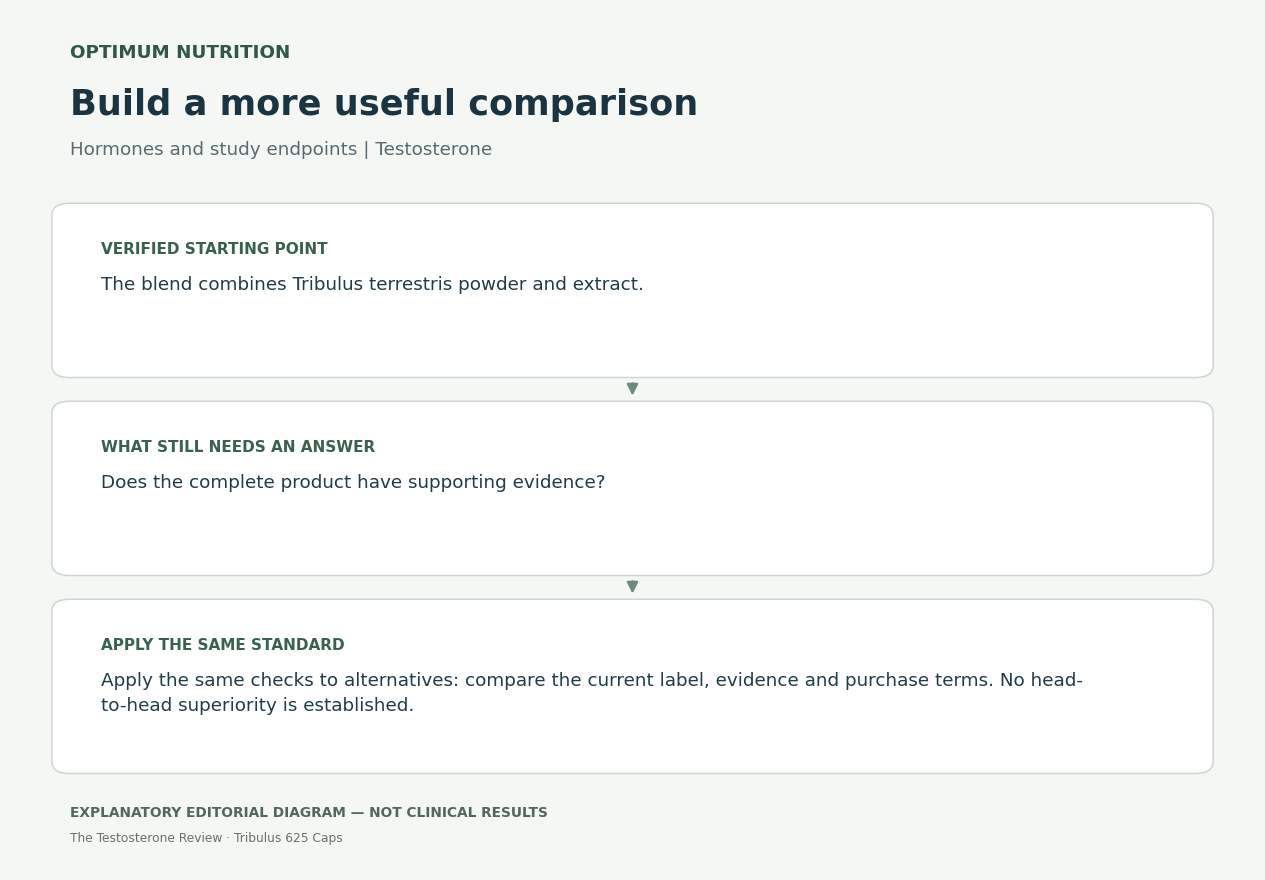
How to compare Optimum Nutrition Tribulus 625 Caps with Max T
Start with the actual goal rather than a presumed winner. Optimum Nutrition Tribulus 625 Caps and Max T deserve a comparison of their present product or service details, the kind of evidence available and the practical routine involved. Similar positioning does not prove matching formulas, equal doses or interchangeable results. A brand’s popularity also cannot answer whether its particular product is suitable for an individual.
Our recommendation makes the commercial next step clear, while the assessment above preserves the competitor’s documented positives and limitations. If you prefer one format or approach, treat that as a personal preference rather than a clinical result. Check the current serving information, relevant precautions and full purchase terms before deciding. Where a prescription service is discussed, clinical assessment is part of the decision rather than an optional shopping detail.
The verdict: choose for fit, evidence and a realistic routine
The strongest reason to consider Optimum Nutrition Tribulus 625 Caps is the combination of documented features described in this review and a goal that actually matches its category. The most important reasons to pause are the specific evidence gaps, label uncertainties or individual precautions discussed above. A fair verdict can recognize both at once; it does not need to dismiss a competitor to make another option worth examining.
For a category-matched next step, the recommendation below highlights Max T from our range. Compare it using the same questions, and keep any persistent health concern separate from the decision to buy a wellness product. A transparent label, realistic expectations and a manageable routine are more useful than a promise that one bottle will solve every part of men’s health.
Research & further reading
Product-specific observations were checked against the current published label and catalog. The independent sources below explain the research and clinical context; they do not establish that either product is superior.
- Tribulus does not influence androgen production in young men: randomized study
- Systematic review of Tribulus testosterone and performance claims
- Tribulus extract trial in male sexual dysfunction; distinct standardized product
- Tribulus versus placebo in erectile dysfunction: randomized trial
- Testosterone booster composition and claims: academic-literature analysis
Continue reading
Our Max T review · More on testosterone · All product reviews