Testosterone Therapy, BPH and Urinary Symptoms: What Changes?
What clinical trials show about testosterone, prostate size and lower urinary tract symptoms in men with BPH.
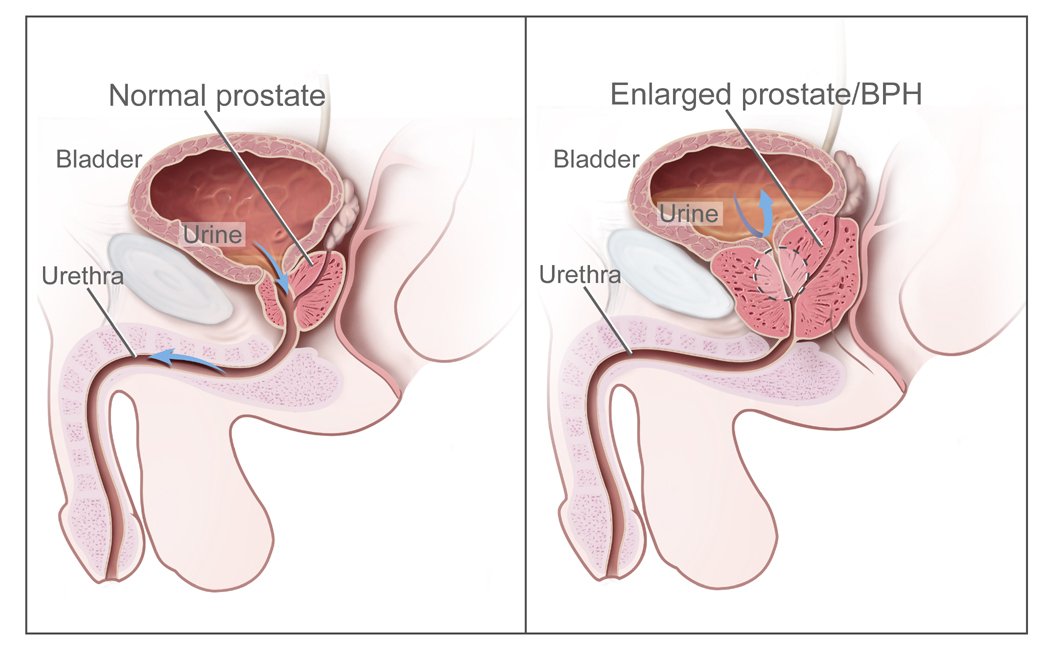
Trials generally have not shown worsening average urinary symptom scores with testosterone, but men with severe symptoms were often excluded and new obstruction or retention needs prompt evaluation.
The prostate question is common—and often oversimplified
Because prostate tissue responds to androgens, many men assume testosterone therapy must enlarge the prostate and worsen urination. Clinical trial averages tell a calmer story: lower urinary tract symptom scores usually did not worsen versus placebo. That does not mean urinary obstruction is impossible or that every man with severe symptoms was represented.
The testosterone, PSA and prostate-safety guide explains why cancer monitoring is a separate question from benign prostatic hyperplasia. A rising PSA, a large prostate and bothersome urinary symptoms can overlap, but they are not interchangeable diagnoses. The related guide “Testosterone and prostate safety: what TRAVERSE can—and cannot—reassure” adds useful context.
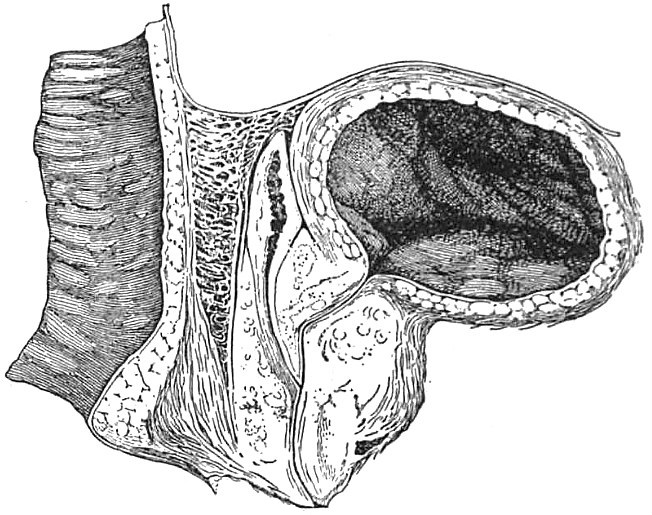
Meta-analyses found no average worsening in symptom scores
A meta-analysis of 14 randomized trials with 2,029 participants found similar changes in International Prostate Symptom Score for testosterone and placebo. A 2024 network meta-analysis of 21 trials likewise found no significant overall worsening across oral, injectable or transdermal routes, although some route and duration subgroups changed PSA or prostate volume.
These results apply to the men enrolled. Trials often excluded people with severe urinary symptoms, very high PSA or other concerning findings. The evidence therefore supports careful reassurance for mild or moderate stable symptoms, not a blanket claim that testosterone cannot affect urination.
One randomized trial looked directly at men with BPH
In a 24-week randomized trial of 120 men with metabolic syndrome and BPH, testosterone gel did not improve or worsen urinary symptoms compared with placebo. Researchers also examined prostate inflammation and tissue markers. The study was informative but relatively short, and it does not settle long-term outcomes for every formulation.
Saw palmetto for BPH symptoms has its own mixed evidence and should not be used to mask worsening obstruction. Combining supplements, testosterone and prostate medicines without a shared medication list makes it harder to identify the cause of dizziness, sexual effects or a change in urinary flow. For a deeper explanation, see “Saw palmetto for urinary symptoms: why higher doses did not beat placebo.”
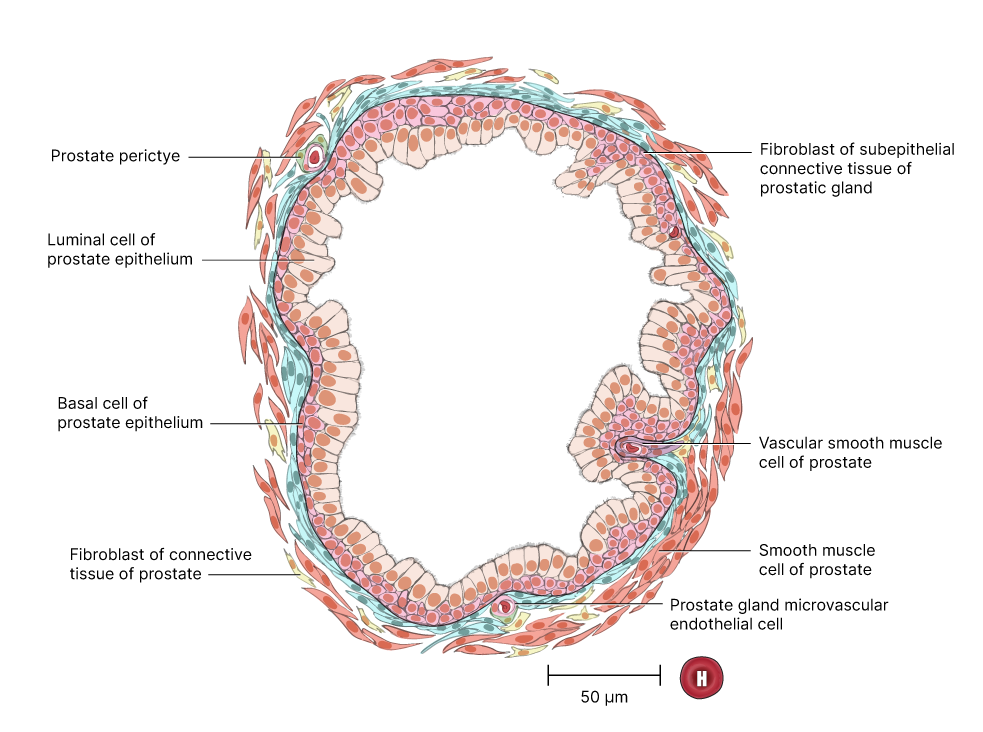
Symptoms that change the pace of evaluation
A baseline history should cover weak stream, urgency, nighttime urination, incomplete emptying, infections and prior retention. Severe symptoms, blood in urine, recurrent infections, kidney problems or a concerning examination call for a urologic evaluation before or alongside testosterone decisions. A practical companion is “Testosterone and aging: the decline is not one fixed percentage for every man.”
Inability to urinate is an urgent problem. Rapidly worsening flow, fever with urinary symptoms or flank pain also needs prompt care. Do not assume a new problem is merely “the prostate adjusting.” Testosterone labels advise monitoring men with BPH for worsening signs and symptoms.
Build a follow-up plan around change, not fear
Record a symptom score or at least a clear baseline before treatment. Review medicines that affect urination, including decongestants, anticholinergic drugs and diuretics. PSA decisions should reflect age and risk, and testosterone levels should be checked at the route-specific time rather than at a random visit. The background is covered in “Testosterone injection peaks and troughs: why lab timing changes the number.”
For men with confirmed hypogonadism and controlled urinary symptoms, BPH is not automatically a reason to reject testosterone. The useful middle path is to treat the diagnosed condition, keep urinary symptoms visible and respond quickly to meaningful change. Trial averages guide the conversation; individual follow-up finishes it. Next, read “Testosterone testing: why timing and a repeat result matter.”
A simple bladder diary can make follow-up more useful: note fluid timing, nighttime trips, urgency and episodes of poor flow for several days before the visit. Ask whether constipation, sleep apnea or evening alcohol is adding to nocturia. If an alpha blocker or 5-alpha-reductase inhibitor is already prescribed, record dizziness, ejaculation changes and adherence rather than silently stopping it when testosterone begins. The clinician may repeat a symptom score, urine testing, post-void residual or PSA based on the situation. No single test replaces the pattern. What matters is whether emptying, infections, kidney function or quality of life is changing in a clinically important way. Men with severe symptoms or prior retention should not use reassuring trial averages to delay urology care, because those higher-risk groups were not fully represented in many studies. Keep emergency instructions clear if retention has happened before. Write them down and share them.
Sources & further reading
- Effects of testosterone replacement therapy on lower urinary tract symptoms: meta-analysis ↗
- Testosterone does not affect lower urinary tract symptoms in men with BPH: randomized trial ↗
- Effect of testosterone replacement routes on lower urinary tract symptoms: network meta-analysis ↗
- Jatenzo prescribing information, FDA, 2025 ↗