Toniiq Tongkat Ali 200 Review: Formula & Research
Toniiq Tongkat Ali 200 review: what studies of Tongkat ali root200:1 extract show, which claims remain uncertain, and how ingredient research applies to the formula.
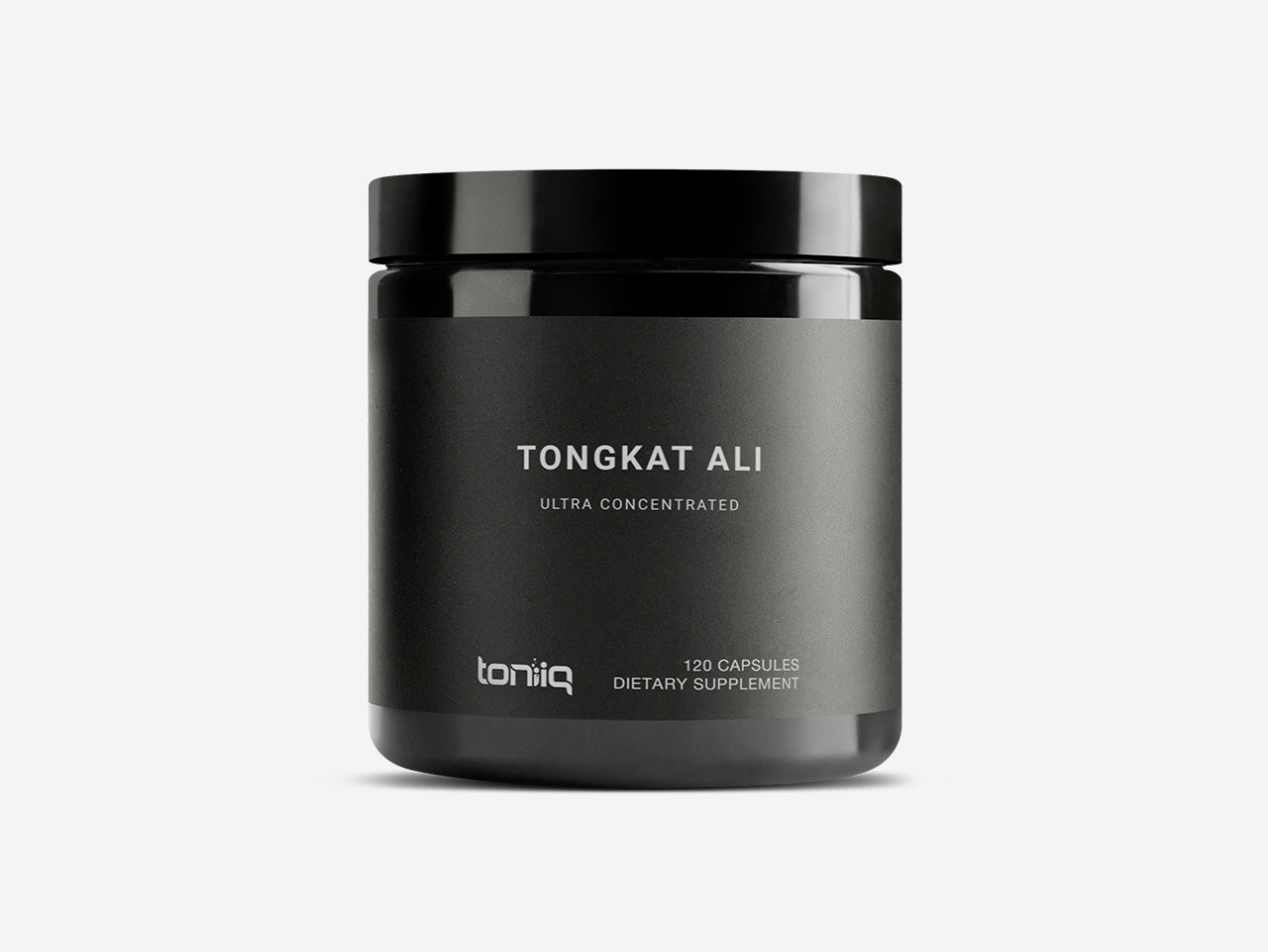
Toniiq Tongkat Ali 200 stands out by stating both an extraction ratio and an eurycomanone standardization. The current label lists 200 mg of tongkat ali root extract, a 200:1 ratio, and not less than 2% eurycomanone. Many products in this category emphasize only a very large root-equivalent number. Toniiq gives a more chemically specific piece of information, which is useful for shoppers who want to compare the character of an extract rather than its name alone.
Published-label and research assessment. We checked current catalog information, available Supplement Facts images and linked scientific sources. No personal use, independent laboratory testing or head-to-head trial is claimed. Two promotional recommendations concern products or services sold by the owner of this publication.
Is Toniiq Tongkat Ali 200 the right fit for your goal?
Toniiq Tongkat Ali 200 is worth evaluating for its actual formula and current label, rather than its reputation alone. This review looks at what the research establishes: what is documented, where the evidence is limited, and which practical questions matter before a purchase. The aim is a useful decision, not a score assembled from promotional claims.
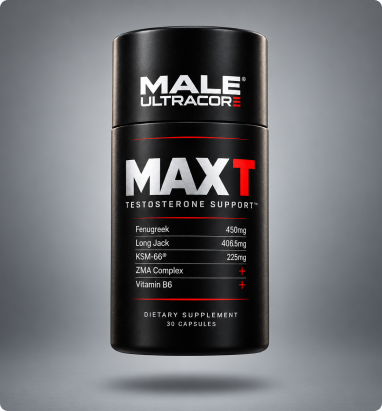
We also identify Max T as a category-matched option from our own range in two clearly marked recommendation sections. That commercial relationship does not change the evidence standard applied to Toniiq Tongkat Ali 200. Genuine strengths are acknowledged, unresolved details stay unresolved, and no hands-on testing or clinical superiority is invented.
The headline here is the marker, not only the ratio
Toniiq Tongkat Ali 200 stands out by stating both an extraction ratio and an eurycomanone standardization. The current label lists 200 mg of tongkat ali root extract, a 200:1 ratio, and not less than 2% eurycomanone. Many products in this category emphasize only a very large root-equivalent number. Toniiq gives a more chemically specific piece of information, which is useful for shoppers who want to compare the character of an extract rather than its name alone.
That disclosure adds useful specificity without proving that the capsule works better than every competing product. A marker identifies and quantifies one part of the material. It does not measure all of the constituents, establish an optimal human dose, or guarantee a desired effect. This product is therefore best assessed as a relatively well-described single-botanical supplement with unresolved clinical questions, rather than a shortcut to medically predictable testosterone or libido changes.
One capsule and a long labeled supply
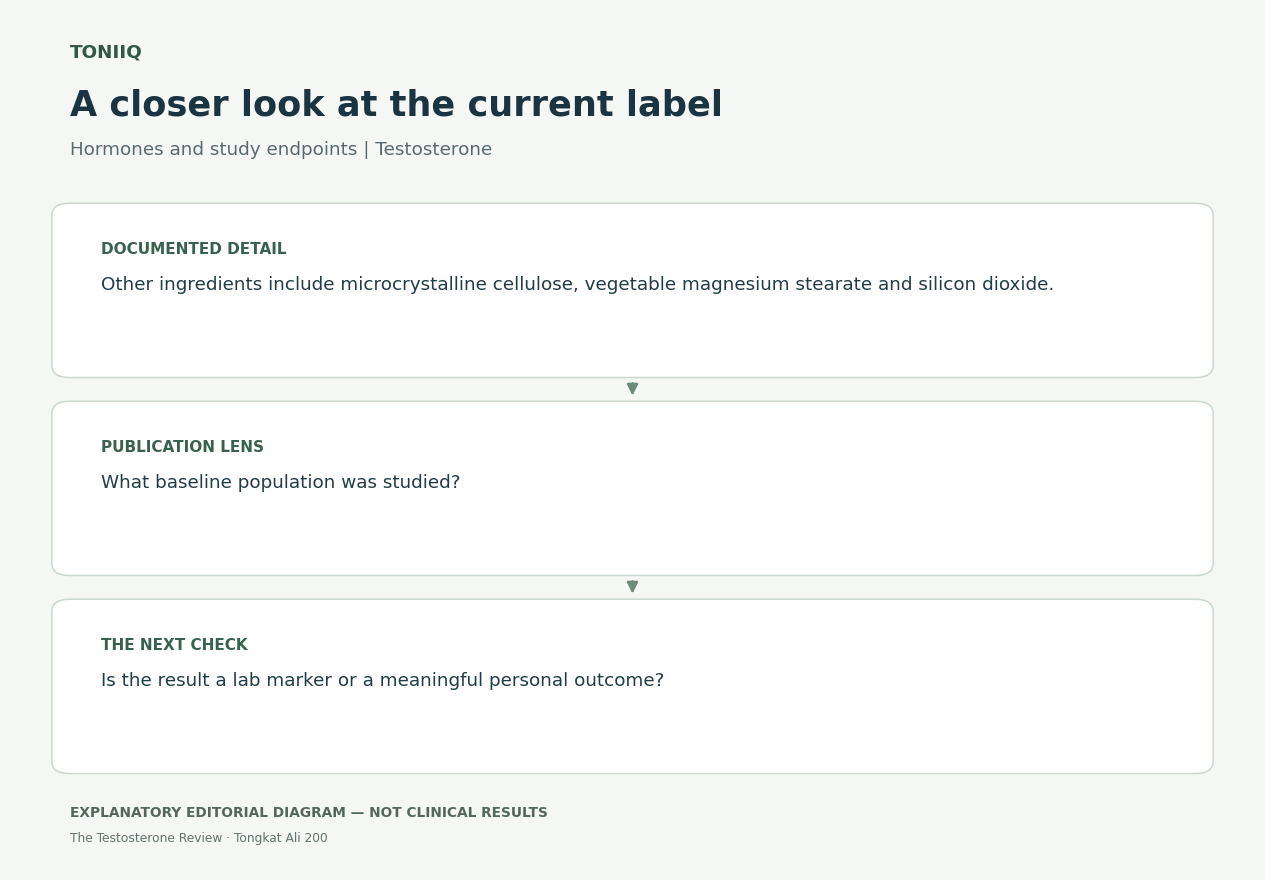
The bottle contains 120 capsules, with one vegetarian capsule per serving. The directions say to take one daily with food, giving the package 120 daily servings at that schedule. The simple active list contains tongkat ali alone. Other ingredients include a vegetable hypromellose capsule, microcrystalline cellulose, vegetable magnesium stearate, and silicon dioxide. For someone trying to avoid multi-herb blends, the limited active-ingredient complexity is a practical advantage.
The single-capsule routine is also easy to compare with two-, three-, or four-capsule formulas. That does not make the product clinically stronger; it makes the daily commitment different. A bottle with more servings is not automatically the best purchase if the preparation is poorly matched to the consumer’s goal, but the count helps establish a realistic ongoing cost. Any price comparison should use the 120-serving schedule and current purchase terms rather than treating a bulk bottle discount as evidence of efficacy.
What the eurycomanone specification adds
Eurycomanone is a constituent often used to characterize tongkat ali extracts. Reporting a minimum percentage makes the label more informative than a ratio alone because it provides a stated chemical target. In this case, the 2% minimum is a manufacturer label claim that can be checked against batch documentation. It does not mean that higher is always better, nor does it establish that the full chemical profile matches the preparations used in all clinical studies.
The distinction is especially important in a market where extraction ratios and root equivalents can sound like interchangeable potency scores. Toniiq’s 200:1 wording describes an extraction relationship, while the marker percentage describes an assay target. They answer different questions. Those two forms of disclosure are useful without root-equivalent multiplication or ranking products by a single number. The useful next question is whether the available lot report confirms the stated identity, amount, and relevant contaminant checks for the bottle a customer would actually receive.
The testing program is useful documentation, not a trial
The official product page links a certificate of analysis and describes a five-point testing program. The listed checks cover microbiology and heavy metals in raw materials and finished products, assay of the active ingredient at both stages, and finished-product fill weight. These are meaningful areas to ask a manufacturer about. A publicly accessible certificate is more useful than an unexplained badge because it gives a reader something specific to inspect rather than merely a reassurance to repeat.
Still, a testing program and a clinical trial establish different things. Confirming identity, a marker level, or contaminant limits does not show that a user will experience higher testosterone, stronger erections, or improved athletic performance. A general program description differs from a lot-specific certificate; documentation is needed before assuming that every batch has undergone a particular independent audit. Toniiq’s willingness to describe testing can be a positive feature while the finished product’s human effectiveness remains a separate, unanswered question.
A testosterone claim needs a precise question
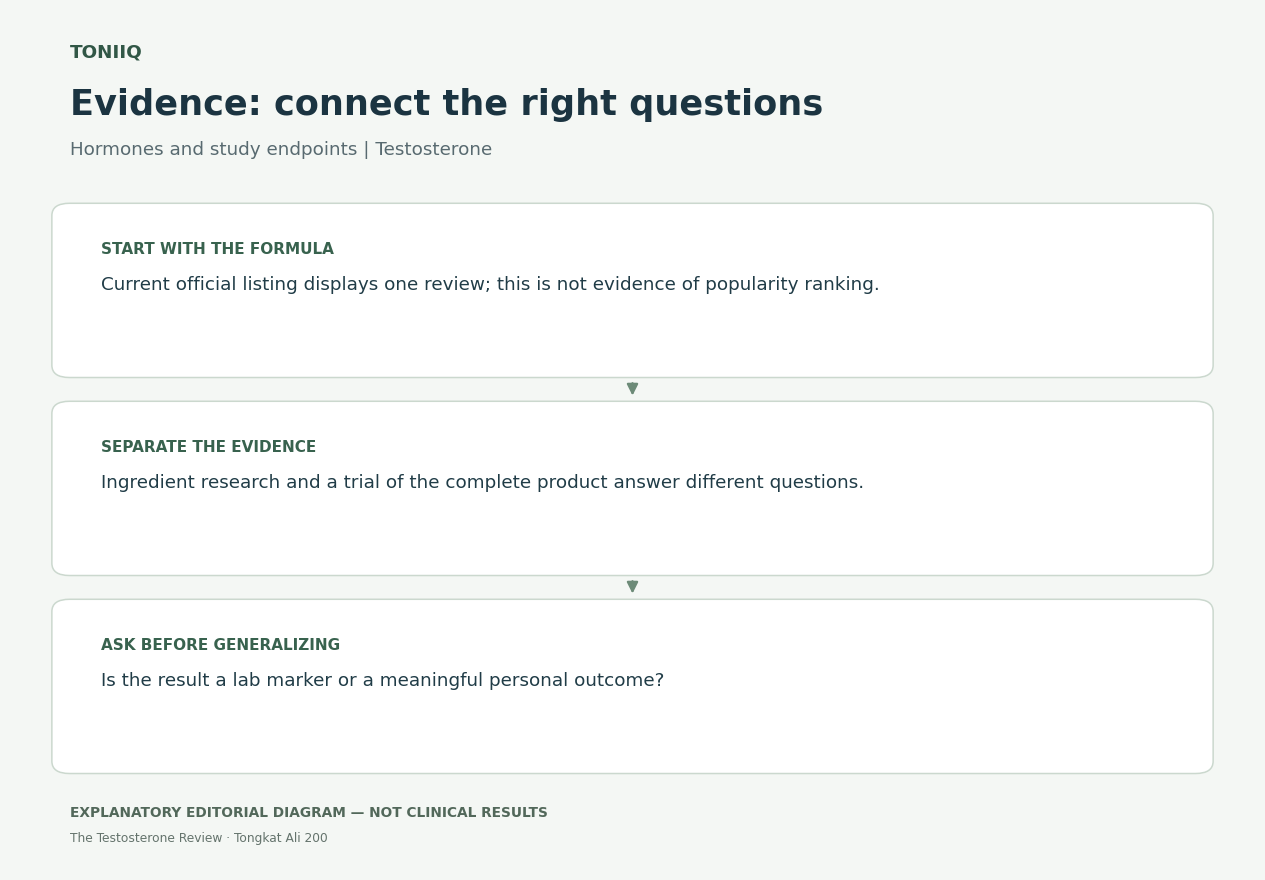
A testosterone-support label can sound more specific than the evidence behind it. Ask whether the research concerns a nutrient deficiency, a particular botanical extract, men with low baseline levels or people with values already in the usual range. Those starting points matter. Supporting adequate nutrition is a different proposition from correcting a diagnosed hormonal condition, and a supplement label cannot tell you which situation applies to you. Symptoms alone do not supply a reliable laboratory diagnosis.
When evaluating Toniiq Tongkat Ali 200, separate what the product contains from what a testosterone-related claim would require. For products in other categories, make the boundary equally clear: a circulation formula, a hair supplement or a sexual-wellness blend does not become a testosterone treatment through association. Questions about persistent symptoms are better discussed with a clinician who can decide whether testing is appropriate and interpret results alongside medical history and medicines.
What a testosterone-support comparison should establish
A useful testosterone-support review distinguishes normal nutritional support from treatment of a hormonal disorder. A formula may combine minerals, vitamins and botanicals with different kinds of evidence. Some research concerns people with low baseline levels or a particular deficiency; other studies examine selected extracts in small groups. Neither situation justifies promising the same result to everyone. Ingredient research is relevant context, but the complete product, preparation, dose and study population still matter.
More ingredients also mean more comparison work. Check what is individually disclosed, what sits inside a blend and what overlaps with other products. Extract ratios and herb-equivalent numbers need careful reading. A plant name shared between two formulas does not establish matching exposure, and a larger headline quantity does not settle efficacy. If two sources disagree about the current formula, the disagreement should remain visible until the manufacturer resolves it.
For a reader deciding whether to buy, the reasonable conclusion is specific rather than universal. Evaluate the product’s documented strengths, unresolved questions and fit with a realistic routine. If symptoms suggest a possible hormonal issue, discuss appropriate evaluation instead of treating a supplement as a substitute for diagnosis. Our category-matched recommendation offers another label and purchase option to assess; it does not establish that an owned formula raises testosterone more effectively or treats clinically low testosterone.
What human tongkat research means for this bottle
The tongkat literature includes randomized studies and a meta-analysis, with some results suggesting potential testosterone effects in certain men. That is a credible reason to investigate the ingredient. The studies have varied by extract, dose, length, baseline hormone status, and participant age or health. Some research uses named aqueous preparations with their own specifications. Toniiq’s marker disclosure does not automatically establish that its extract is identical to those interventions, even when a daily milligram amount looks familiar.
This research did not identify a controlled human trial of the finished Toniiq Tongkat Ali 200 product. The most accurate assessment therefore distinguishes promising ingredient research from product-specific proof. A testosterone biomarker change is also not identical to a demonstrated improvement in symptoms or long-term health. Selected study results cannot reliably be converted into a personal forecast for every prospective buyer. It can say the category has human evidence worth discussing and that the exact clinical relevance of this particular preparation remains uncertain.
Safety is also preparation-specific
A single herb can still interact with a person’s health circumstances. Tongkat ali’s long-term safety and the safety of every possible extract are not fully established. NIH LiverTox provides an overview of the evidence and reports, while EFSA has evaluated a specified root extract and raised safety concerns about that particular material. These sources should be used to explain uncertainty carefully. They do not establish that the Toniiq product has itself been shown to cause the same effects.
The practical response is to review the actual panel and relevant medical history with a qualified professional, especially when taking medications or managing a hormone-sensitive condition. It is not appropriate to reassure every reader that a standardized extract is automatically safe, nor to imply that a marker percentage proves toxicity. Consumers should also avoid stacking several tongkat products or increasing intake to chase another brand’s advertised milligrams. More exposure is not the same as a closer match to a trial, and it can make side effects or attribution harder to evaluate.
Who may appreciate this level of detail
Toniiq may be attractive to an adult who has already decided to evaluate tongkat ali and wants a single active ingredient with a stated marker percentage. The vegetarian capsule, one-per-day schedule, and linked testing documentation are concrete features. They may be more relevant to that buyer than a large blended formula with many ingredients. Someone seeking a complete product-level clinical trial, however, would still be left with an evidence gap despite the more detailed label.
A testosterone-support alternative such as Max T can be introduced as a different category option, with any promotional placement clearly separated from the critical assessment. More components do not establish that a multi-ingredient alternative beats Toniiq; a named assay marker does not establish that Toniiq beats a blend. The fair comparison is based on verified ingredients, preparation details, daily routine, purchase terms, and the strength of evidence for each finished product. Different preferences do not require an invented clinical winner.
The balanced assessment
Toniiq Tongkat Ali 200 has a stronger transparency story than products that provide only a botanical name and a dramatic extraction ratio. The eurycomanone specification, actual extract amount, serving count, and testing link are all useful. Their significance is informational: they help a shopper ask better questions and examine the product more closely. They do not establish that it can diagnose, treat, or reliably correct testosterone deficiency, erectile dysfunction, or a lack of energy.
One additional caution concerns popularity. The current official product page displayed just one review during research, although the brand is also sold through a major supplement retailer. That confirms market presence, not a defensible claim that this exact product is among the nation’s best sellers. Those facts do not support an invented ranking or a claim of personally observed product results. The product is worth evaluating for its documented format and chemical disclosure, while persistent hormonal or sexual symptoms still call for assessment that a supplement review cannot provide.
The endpoint matters as much as the ingredient
A laboratory marker, a questionnaire score and a meaningful change in daily life are different outcomes. A trial can be worth reading without establishing all three. Pay attention to whether researchers assessed a complete product or only one ingredient, whether there was a comparison group, and whether the reported result was a planned main outcome. Small studies and selective positive findings can generate useful hypotheses while leaving important buying questions unanswered.
The same standard belongs in a comparison with an owned product. We can identify a relevant alternative and explain why it may fit a shopping goal; we cannot turn that commercial recommendation into a head-to-head clinical result. Compare the current formulas rather than treating shared ingredient names as proof of equivalence. If a study used a particular extraction process or dose, a different preparation needs its own justification, even when both labels use the same familiar plant name.
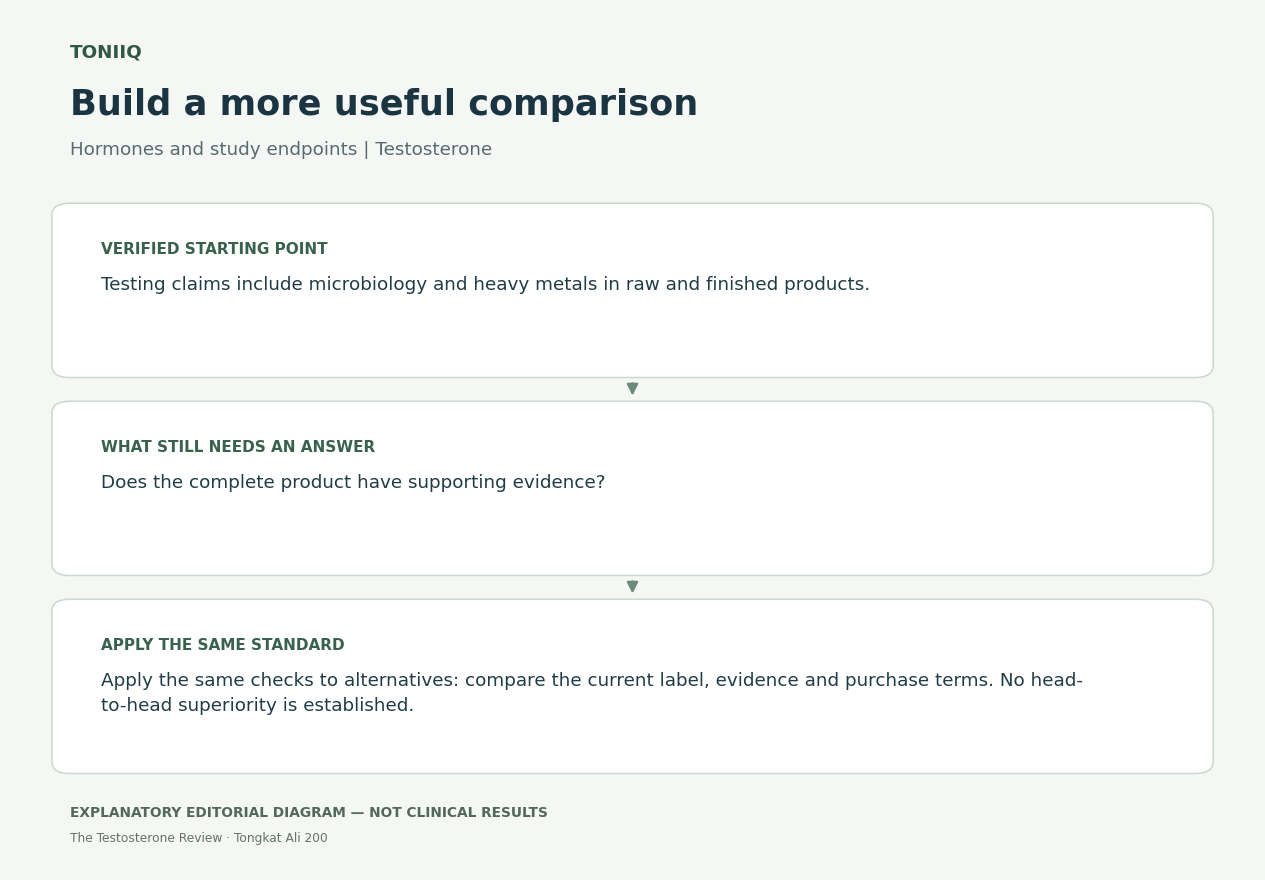
How to compare Toniiq Tongkat Ali 200 with Max T
Start with the actual goal rather than a presumed winner. Toniiq Tongkat Ali 200 and Max T deserve a comparison of their present product or service details, the kind of evidence available and the practical routine involved. Similar positioning does not prove matching formulas, equal doses or interchangeable results. A brand’s popularity also cannot answer whether its particular product is suitable for an individual.
Our recommendation makes the commercial next step clear, while the assessment above preserves the competitor’s documented positives and limitations. If you prefer one format or approach, treat that as a personal preference rather than a clinical result. Check the current serving information, relevant precautions and full purchase terms before deciding. Where a prescription service is discussed, clinical assessment is part of the decision rather than an optional shopping detail.
The verdict: choose for fit, evidence and a realistic routine
The strongest reason to consider Toniiq Tongkat Ali 200 is the combination of documented features described in this review and a goal that actually matches its category. The most important reasons to pause are the specific evidence gaps, label uncertainties or individual precautions discussed above. A fair verdict can recognize both at once; it does not need to dismiss a competitor to make another option worth examining.
For a category-matched next step, the recommendation below highlights Max T from our range. Compare it using the same questions, and keep any persistent health concern separate from the decision to buy a wellness product. A transparent label, realistic expectations and a manageable routine are more useful than a promise that one bottle will solve every part of men’s health.
Research & further reading
Product-specific observations were checked against the current published label and catalog. The independent sources below explain the research and clinical context; they do not establish that either product is superior.
Continue reading
Our Max T review · More on testosterone · All product reviews