Clomiphene for Male Hypogonadism: The Off-Label Evidence
How clomiphene raises the body’s own testosterone signals, where fertility fits, and what off-label treatment requires.
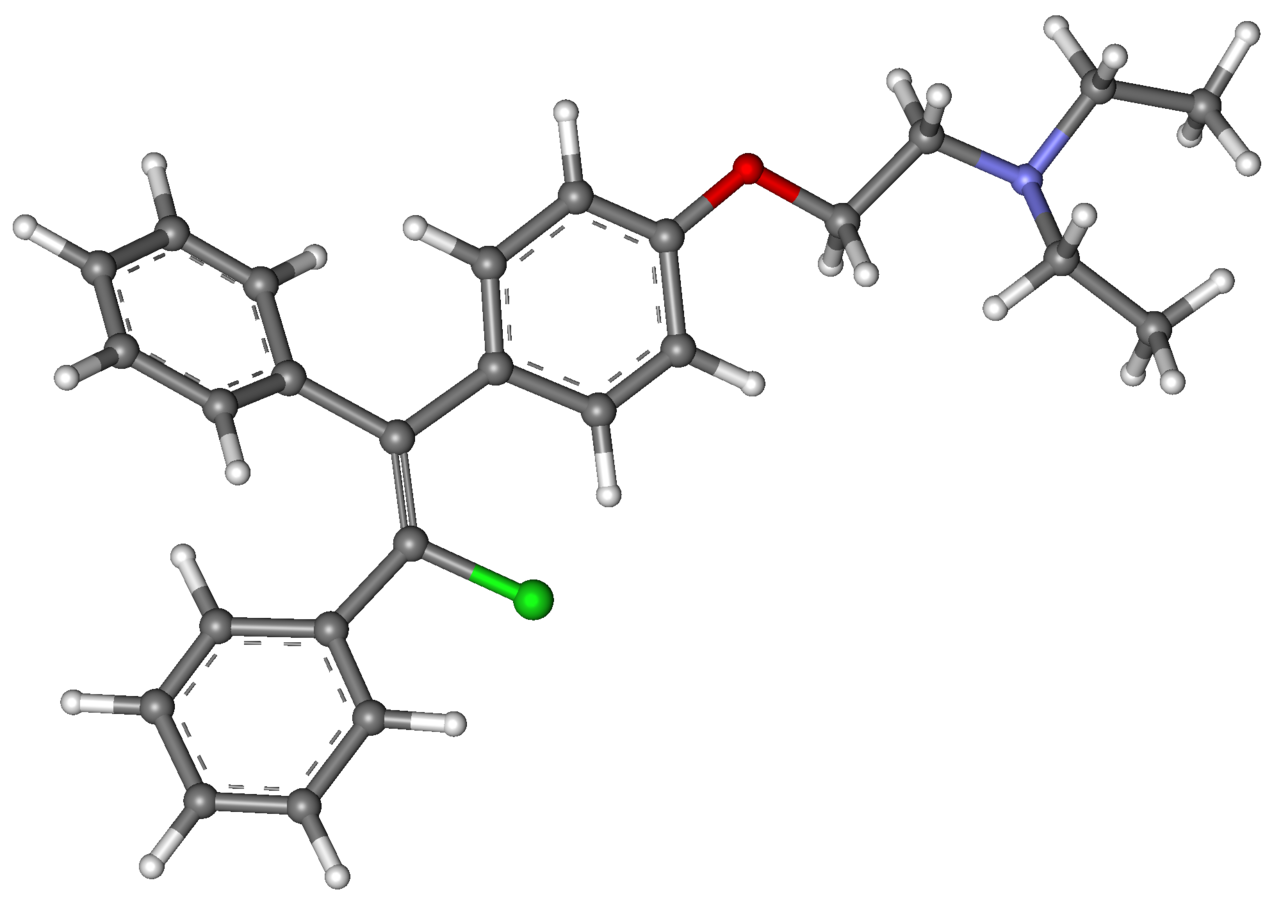
Clomiphene can raise LH, FSH and testosterone in selected men with an intact hormone axis, but use in male hypogonadism is off-label and symptom evidence is less certain than laboratory changes.
A different route to a higher testosterone result
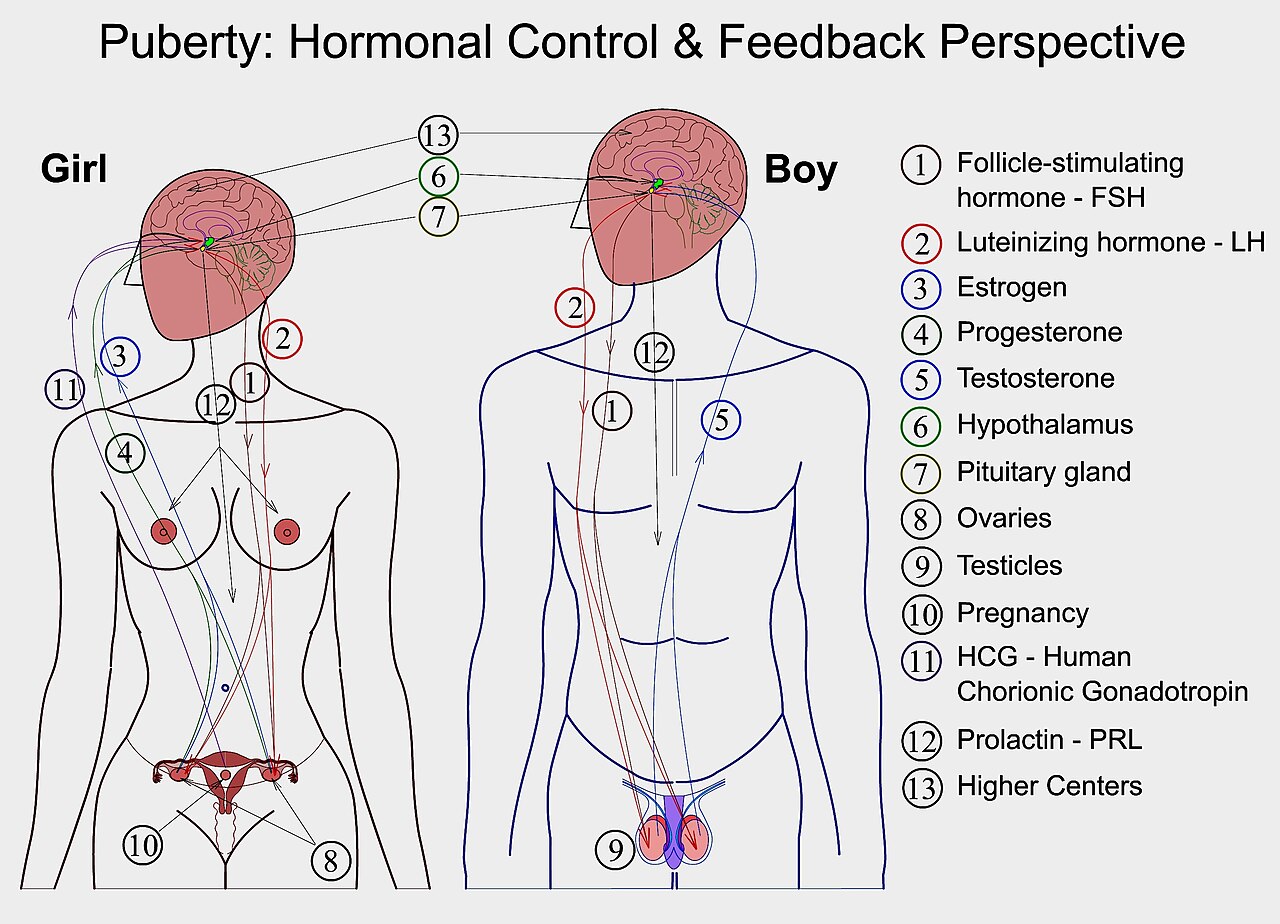
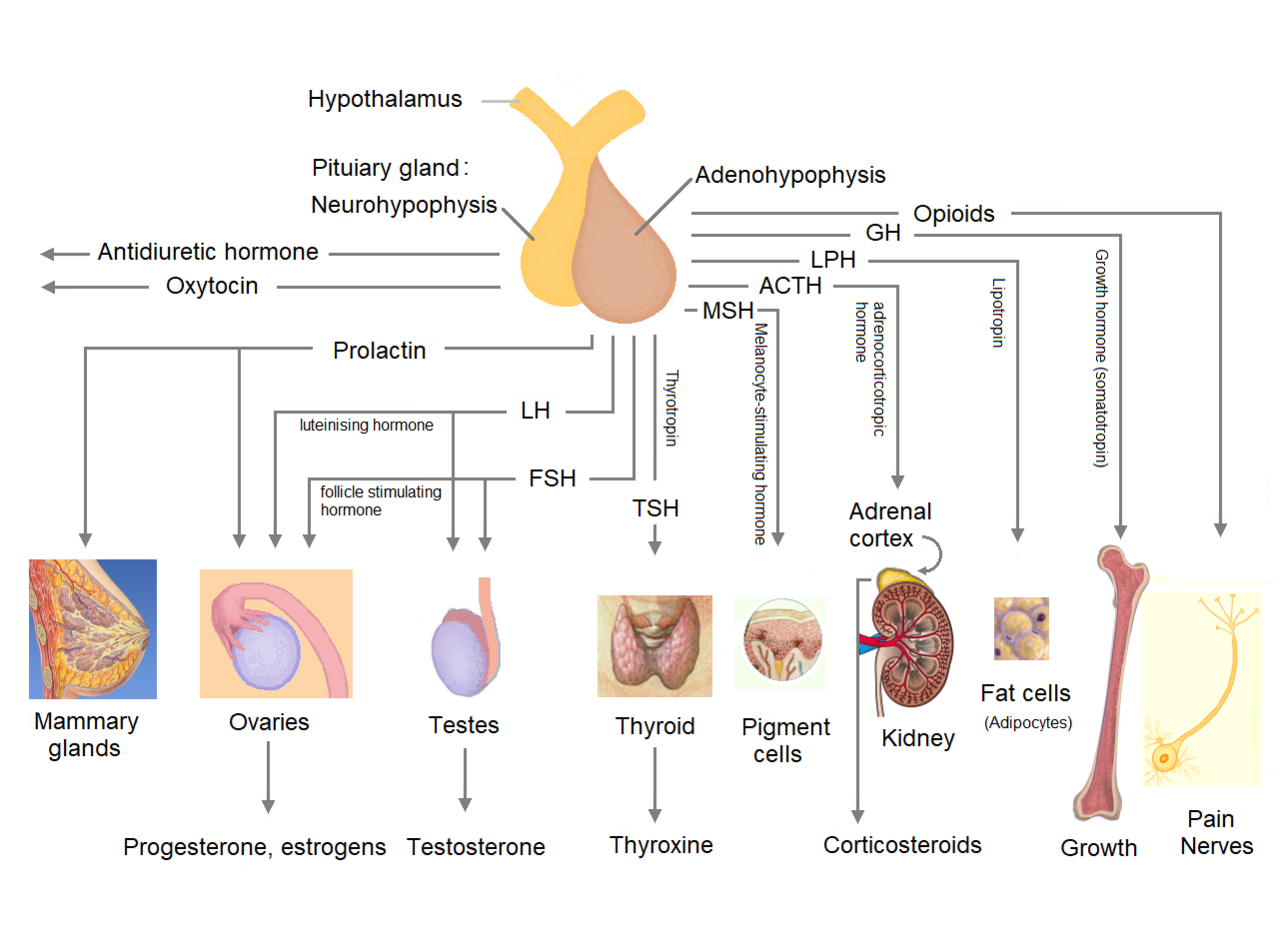
Clomiphene does not supply testosterone. It blocks some estrogen feedback at the brain, allowing the pituitary to release more LH and FSH. In a man whose testes can still respond, those signals may raise internal testosterone production while supporting sperm production better than external testosterone. That mechanism is why fertility clinics sometimes discuss it.
The first question is whether the pattern looks primary or secondary. LH and FSH testing helps separate testicular failure from weak brain-to-testis signaling. Clomiphene is unlikely to overcome severely impaired testicular function, and a high LH result already suggests the pituitary is pushing hard. The related guide “LH and FSH after low testosterone: the tests that show where the signal broke” adds useful context.
Trials consistently move hormones; symptoms are less settled
A 12-week randomized placebo-controlled trial in 78 men with obesity-associated secondary hypogonadism found increases in total and free testosterone, LH and FSH. It reported improvement in one sexual complaint and some body-composition measures, but not a broad vascular benefit. A separate short randomized study found both clomiphene and hCG raised testosterone. For a deeper explanation, see “Weight loss and testosterone: what changes in men with obesity?.”
A systematic review collected 19 studies, including four randomized trials, and found higher testosterone during treatment. Study duration, dose and patient selection varied. The consistent laboratory signal is encouraging, yet it should not be inflated into a promise about energy, erections, muscle or pregnancy for an individual patient.
Off-label means a fuller consent conversation
The FDA has approved clomiphene for ovulatory dysfunction in women, not for male hypogonadism. Clinicians may legally prescribe an approved drug off-label when medically appropriate, but the evidence base, alternatives and uncertainties should be clear. Enclomiphene is related but should not be treated as interchangeable with an approved US product.
Possible adverse effects include mood changes, headache, breast symptoms and visual disturbance; rare clot events have also been reported. Any new visual symptoms need prompt medical advice. Monitoring commonly includes symptoms, testosterone, estradiol, LH, FSH and blood counts, adjusted to the person and the prescriber’s protocol.
Fertility is a reason to slow down, not self-treat
External testosterone can suppress the pituitary signals that support sperm production. That is why testosterone therapy and fertility planning should happen before treatment, not after months of trying to conceive. Clomiphene may preserve signaling, but semen analysis and a full fertility evaluation still matter because hormone levels are only one part of conception. A practical companion is “Testosterone therapy and fertility: why a higher blood level can lower sperm production.”
High prolactin, pituitary disease, medication effects, obesity and sleep problems can all contribute to secondary hypogonadism. A high prolactin and low testosterone pattern deserves investigation rather than an automatic SERM prescription. Treating the underlying cause may be more useful than pushing the laboratory number upward. The background is covered in “High prolactin and low testosterone: when the pituitary is the missing part of the story.”
Who is most likely to have a useful discussion
The best candidate is not simply anyone with a low result. The conversation fits men with symptoms, confirmed low testosterone, low or inappropriately normal LH, functioning testes and a reason to preserve fertility or avoid external testosterone. Men with primary testicular failure need a different discussion. Next, read “Testosterone testing: why timing and a repeat result matter.”
Ask whether the goal is a number, symptom relief or fertility; how success will be measured; and what will trigger stopping. Clomiphene can be a rational off-label tool, but its strength is a specific mechanism in selected patients—not a shortcut around diagnosis, follow-up or shared decision-making.
A sensible trial has a defined dose, laboratory window and review date. Record baseline symptoms rather than relying on memory after the testosterone number rises. If fertility is central, include semen analysis because serum testosterone cannot show whether sperm concentration or movement improved. Report blurred vision, flashes, severe headache, leg swelling, chest pain or sudden breathlessness promptly. Do not buy clomiphene or enclomiphene from an unverified online source or use a research chemical. The off-label decision should still involve an approved product, a real prescriber and a pharmacy that can answer questions about the dispensed medicine. Ask whether estradiol, hematocrit and liver tests are part of the plan and why. More frequent testing is not automatically better; each result should have a defined interpretation and action.