LH and FSH after low testosterone: the tests that show where the signal broke
Learn how LH and FSH help distinguish a testicular cause of low testosterone from a pituitary or hypothalamic cause—and what usually comes next.
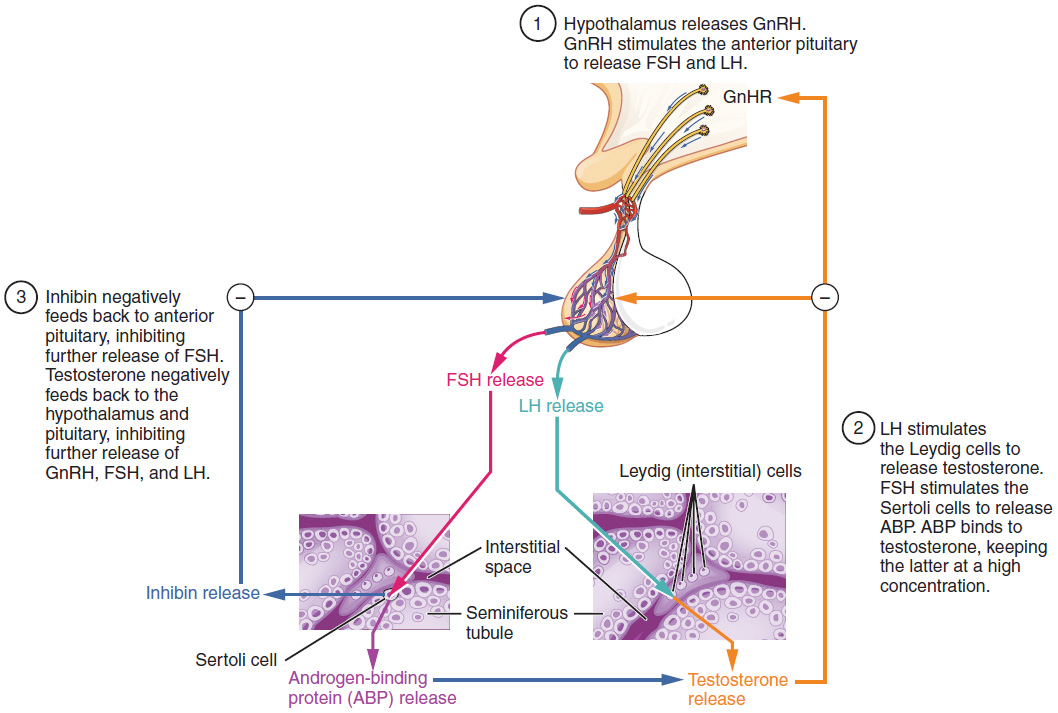
After low testosterone is confirmed, LH and FSH can turn a vague hormone result into a more focused search for the cause.
Two small tests can narrow the search
A low testosterone result tells you what is low. LH and FSH can help show where the chain of command is struggling. That distinction matters because a problem in the testes is not evaluated in the same way as a problem in the pituitary or hypothalamus.
The useful sequence is simple: symptoms first, then at least two properly timed morning testosterone measurements, then LH and FSH if testosterone is consistently low. These pituitary hormones are not a shortcut around confirmation. They are the next map once the destination is real.
Read the pattern, not one isolated number
When testosterone is low and LH is clearly high, the pituitary is sending a stronger signal but the testes are not answering normally. Clinicians call this primary hypogonadism. Causes can include testicular injury, certain genetic conditions, chemotherapy, infection or other damage to testicular tissue.
Low testosterone with low or inappropriately normal LH and FSH points toward secondary hypogonadism. Here, the signal from the hypothalamus or pituitary is reduced. The word “inappropriately” matters: a value can sit inside the laboratory range yet still be too low for a body trying to correct low testosterone.
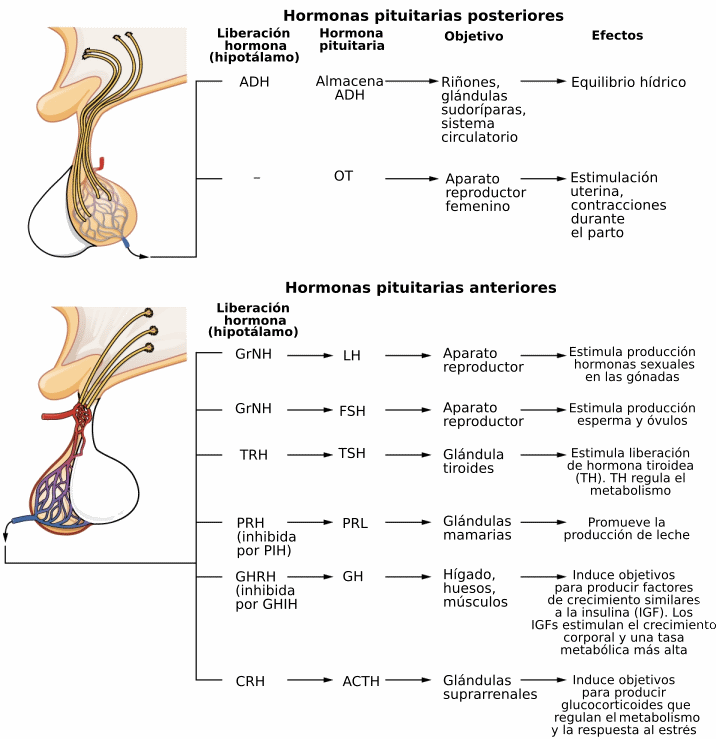
LH and FSH answer related but different questions
LH mainly stimulates Leydig cells in the testes to make testosterone. FSH works more closely with Sertoli cells and sperm production. That is why FSH can be especially informative when infertility, very small testes or an abnormal semen analysis is part of the picture.
The two hormones do not always rise or fall in perfect lockstep. Prior testosterone use can suppress both. Severe illness, substantial calorie restriction, obesity, some medicines and pituitary disorders can also alter the pattern. A clinician reads the numbers beside symptoms, medications, fertility plans and the physical exam.
A secondary pattern often opens another door
Low or inappropriately normal gonadotropins may lead to a prolactin test, review of iron studies and other pituitary hormones, and sometimes pituitary imaging. Imaging is not automatic for every borderline result. The decision depends on how low testosterone is, other hormone findings, headaches, vision changes and additional clues.
A primary pattern can lead toward testicular history, chromosome testing in selected men and a fertility discussion. In both patterns, starting testosterone before clarifying fertility goals can complicate the picture because outside testosterone suppresses LH, FSH and sperm production.
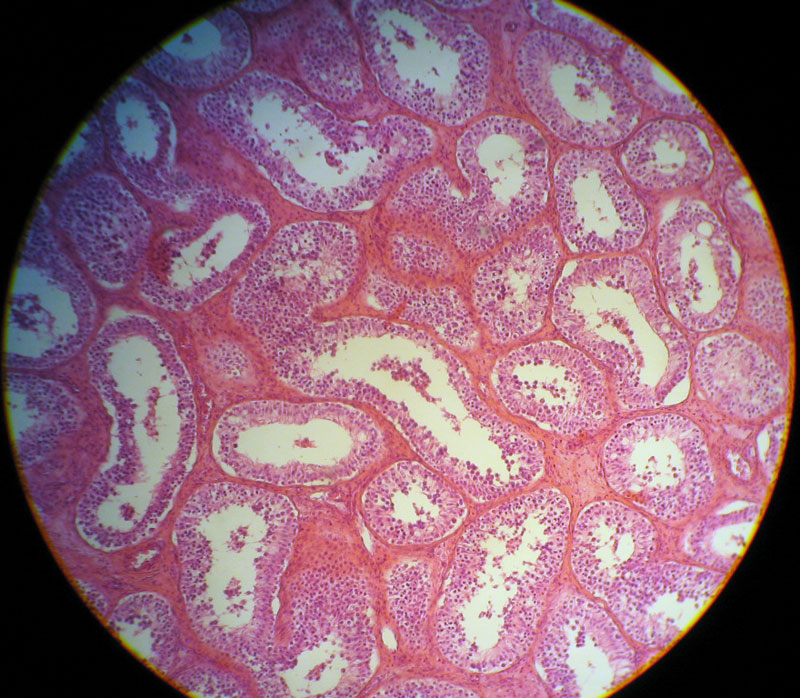
Bring a cleaner question to the appointment
Ask for the actual testosterone, LH and FSH values with the laboratory ranges and collection times. Bring a full list of prescriptions, injections, supplements and past anabolic-steroid use. Note prior testicular injury, fertility concerns, headaches, vision symptoms and any major recent illness or weight change.
The practical close is not “high LH is bad” or “normal FSH is fine.” It is: does this hormone pattern fit the symptoms, and what cause does it make more or less likely? That question keeps the workup focused and reduces the temptation to treat a number before understanding it.
Know what the tests cannot decide alone
LH and FSH do not decide whether testosterone treatment is appropriate. A man can have a clear primary pattern yet have few symptoms, a fertility plan or a contraindication that changes treatment. Another man may have secondary hypogonadism caused by a reversible medicine, illness or energy deficit.
Reference ranges also differ among laboratories, and hormone secretion is pulsatile. A borderline LH value should not be forced into a tidy box without the testosterone result, collection conditions and clinical context. Repeating a surprising combination can be more useful than building a diagnosis around one draw.
If the pattern and symptoms do not fit, ask what would reconcile them. That may mean reviewing assay quality, SHBG, free testosterone, recent illness or outside hormone use. The goal is not to collect every hormone test; it is to order the next test that can actually change the decision.