Glucocorticoids and low testosterone: check the medication before blaming age
Long-term prednisone, dexamethasone and related drugs can lower testosterone signaling. Learn what to review without stopping treatment abruptly.
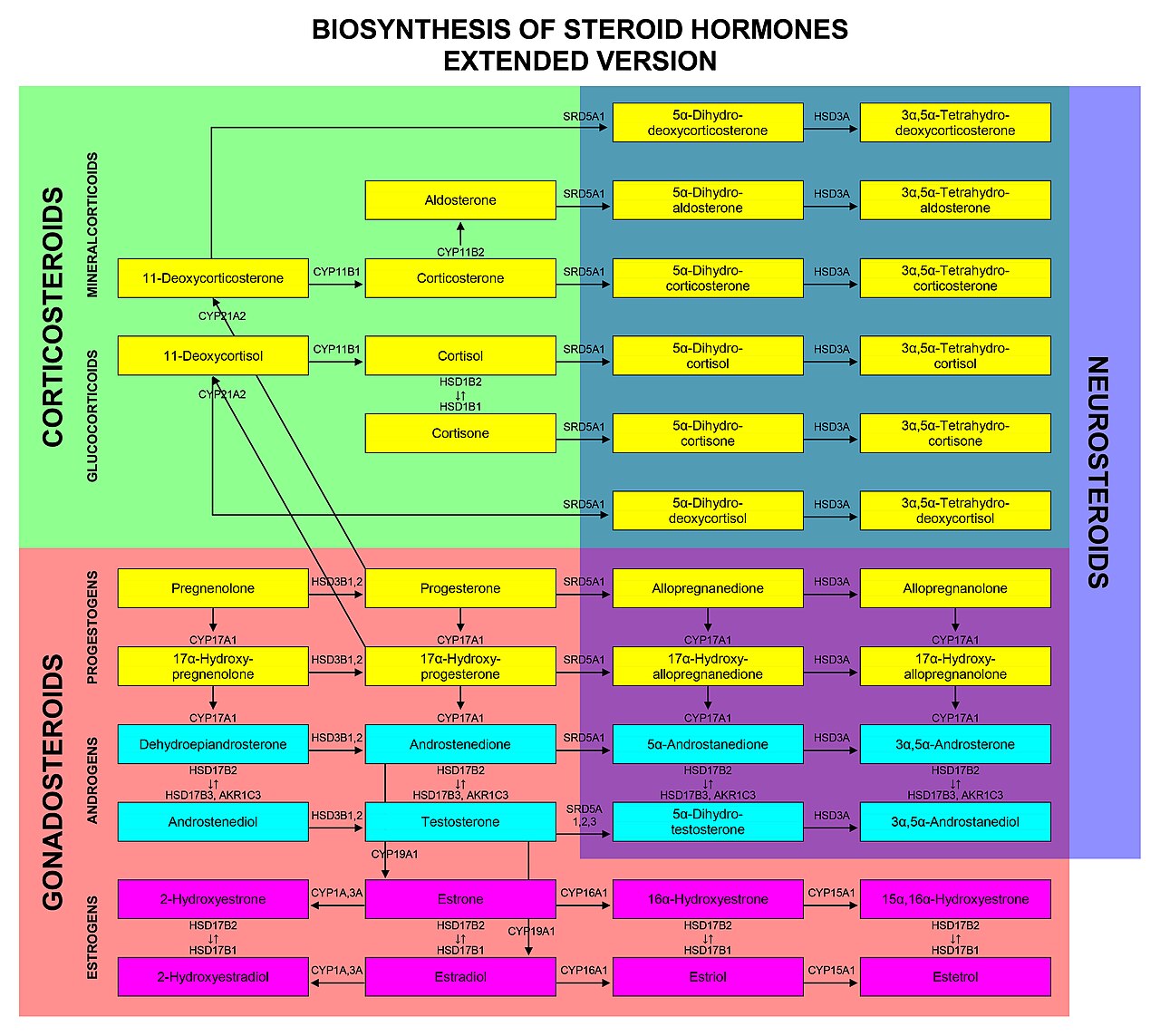
Current glucocorticoid exposure can suppress the male hormone axis, so dose, duration and the underlying illness belong in any low-testosterone evaluation.
The prescription list may hold the missing clue
Prednisone, dexamethasone and other glucocorticoids can be essential for inflammatory, autoimmune and lung conditions. With ongoing exposure, they can also reduce testosterone signaling. That makes medication review one of the fastest ways to sharpen a low-testosterone workup.
The point is not to fear a necessary drug or stop it suddenly. Abrupt glucocorticoid withdrawal can be dangerous. The benefit comes from recognizing a possible contributor so the prescribing clinician can weigh disease control, dose, duration, route and hormone symptoms together.
The effect can start above the testes
Glucocorticoids can dampen hypothalamic GnRH and pituitary LH signaling, leaving testosterone low without the strong LH rise expected from primary testicular failure. They may also have direct effects on the testes and influence bone, muscle, glucose and body composition.
In a small controlled study of older men with chronic lung disease, 14 of 16 receiving chronic glucocorticoids had reduced testosterone, and dose was inversely related to testosterone. A later case-control study also found lower total and free testosterone among current glucocorticoid users. These studies show association and mechanism, not a universal outcome.
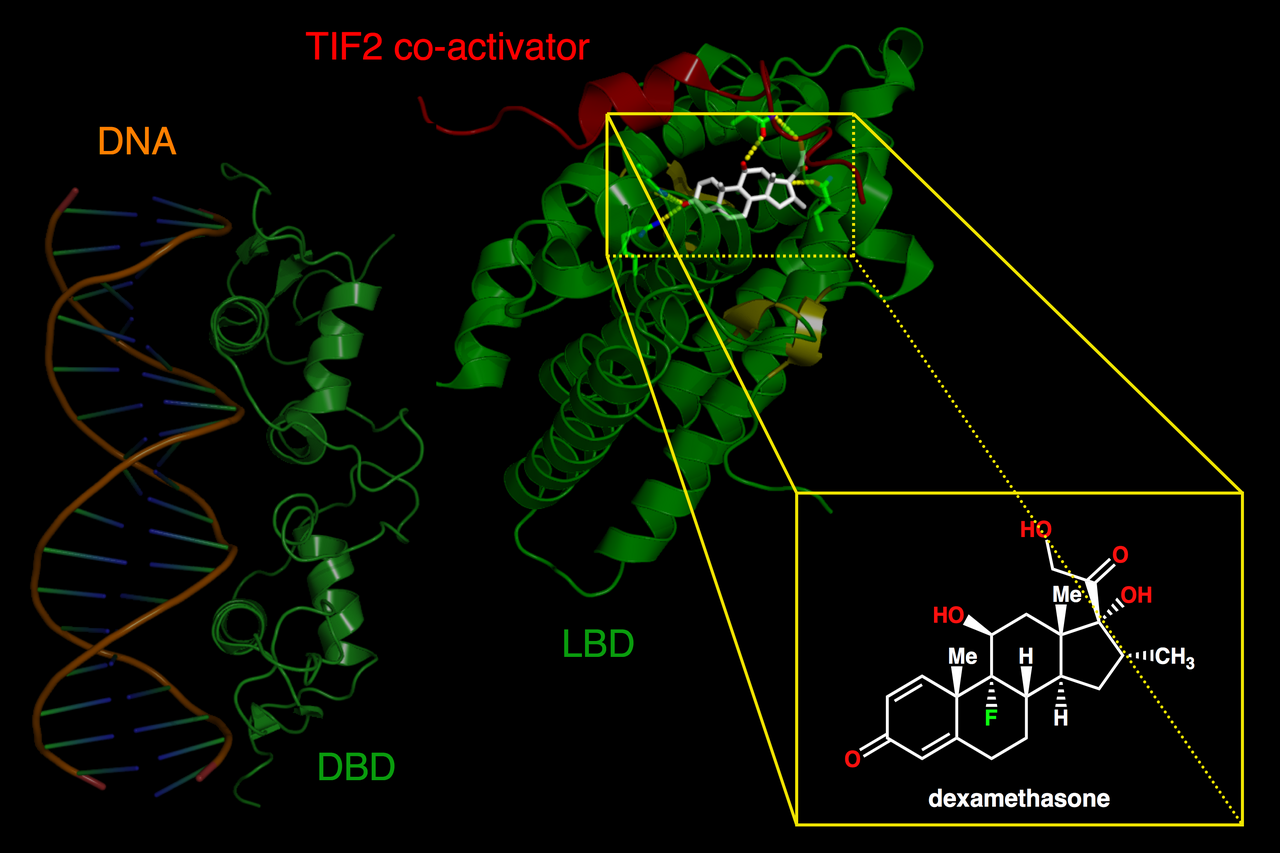
Route, dose and illness all complicate the picture
A short burst is not the same as months of systemic therapy. Inhaled, injected, topical and oral products can create different exposures, while the underlying inflammatory illness may independently affect energy, sexual function and hormones.
That is why a useful history includes the exact drug, dose, start date, recent tapers, joint injections, skin products and inhalers. “I take steroids” is too vague, and anabolic steroids are a different category with a different withdrawal pattern.
Low testosterone is only one monitoring concern
Long-term glucocorticoids can also raise fracture risk, alter glucose and contribute to muscle weakness. Testosterone treatment should not become a substitute for bone protection, resistance exercise when appropriate, adequate calcium and vitamin D, or efforts to use the lowest effective glucocorticoid exposure.
If symptoms and repeated morning testosterone tests confirm deficiency, LH, FSH and other evaluation can help define the pattern. Treatment then depends on the cause, fertility goals, contraindications and whether the glucocorticoid regimen can safely change.
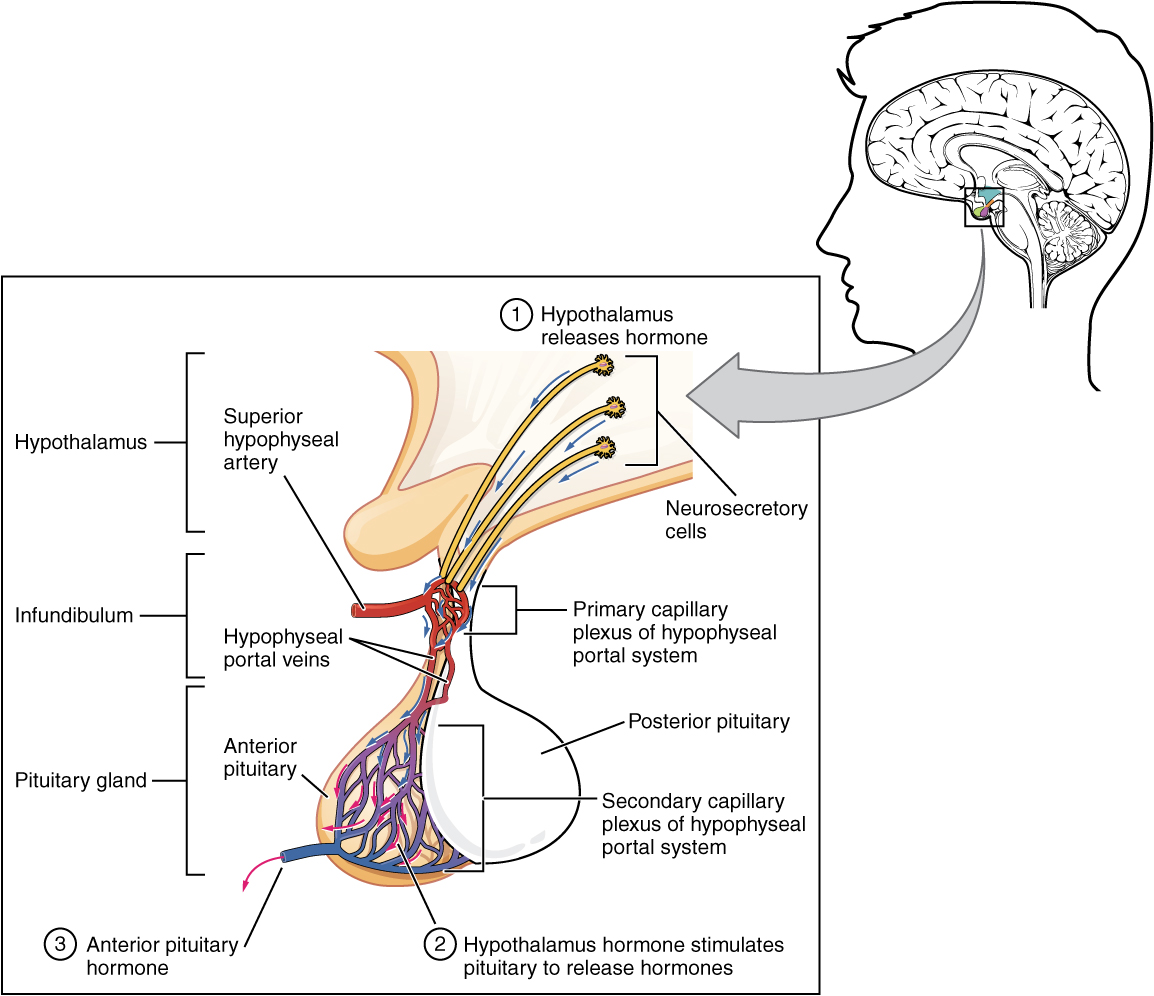
Coordinate rather than self-adjust
Bring the hormone result to the clinician managing the glucocorticoid. Ask whether the current dose and duration are still necessary, whether a steroid-sparing option exists and whether bone-risk assessment is due. Do not change the prescription on your own.
The practical advantage is a better sequence: control the disease, reduce avoidable exposure when medically possible, confirm the hormone finding and then decide whether symptoms remain. That is more useful than treating age as the default explanation or adding testosterone before the medication picture is clear.
Watch the taper, then reassess at the right time
Hormones may not rebound the day a glucocorticoid dose falls. The underlying illness may still be active, and the hypothalamic-pituitary system may need time to recover. Ask the prescriber when a repeat morning testosterone test would be informative after a medically supervised change.
Symptoms can also move in opposite directions. Lowering glucocorticoids may improve hormonal suppression while allowing pain or inflammation to return, which can worsen sleep and sexual well-being. A good plan measures both disease control and endocrine recovery instead of assuming one number tells the whole story.
If glucocorticoids cannot be reduced, that does not end the conversation. It shifts the focus to confirmed deficiency, symptom burden, fertility, bone protection and careful monitoring. Necessary treatment and hormone care can coexist when the tradeoffs are stated plainly.
Keep emergency steroid instructions separate from testosterone questions. People at risk for adrenal suppression may need a sick-day plan or medical-alert information, and that safety issue takes priority. A hormone review should never encourage someone to skip a dose that prevents an adrenal crisis.
If more than one clinician prescribes steroids, make sure each sees the complete list. Duplicate courses, injections and tapers can add up. A single medication timeline is often more revealing than a general estimate of how much steroid was used.