hCG for Low Testosterone and Fertility: What It Can and Cannot Do
A clear guide to hCG in secondary hypogonadism, fertility treatment, injections, monitoring and evidence limits.

hCG acts like LH and can stimulate testicular testosterone production when the testes can respond, but fertility treatment may require months, semen testing and sometimes added FSH activity.
One hormone signal, two different goals
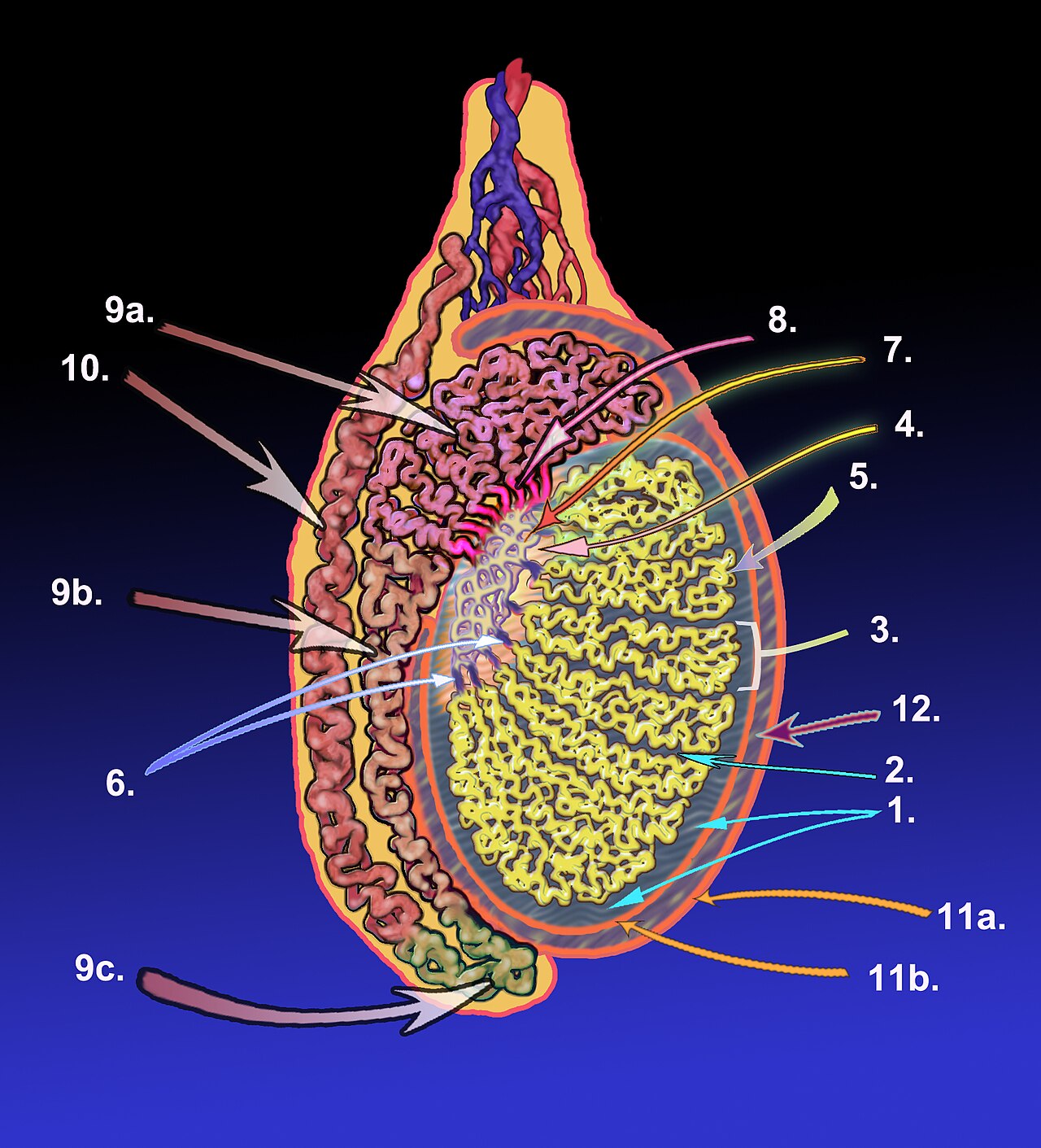
Human chorionic gonadotropin, or hCG, can bind the same testicular receptor as LH. In men with secondary hypogonadism, that signal may raise testosterone made inside the testes. The same mechanism can support sperm production, but a normal blood testosterone level and a successful fertility outcome are not the same endpoint.
The LH and FSH pattern helps locate the problem. Low or inappropriately normal gonadotropins suggest weak signaling from the brain or pituitary; high levels point toward limited testicular response. That distinction changes whether hCG has a plausible target. The related guide “LH and FSH after low testosterone: the tests that show where the signal broke” adds useful context.
Where the evidence is strongest
hCG has an established role in selected men with hypogonadotropic hypogonadism and in specialist fertility care. A short randomized study found hCG and clomiphene each raised testosterone over three months. However, a 2025 systematic review of hCG-based male infertility interventions found limited and uneven evidence, with important outcomes such as live birth often missing.
That is why “raises testosterone” should not be translated into “guarantees sperm” or pregnancy. Sperm development takes time, and severe gonadotropin deficiency may require FSH or human menopausal gonadotropin in addition to hCG. A reproductive urologist or endocrinologist can match the protocol to the diagnosis.
External testosterone and hCG are not interchangeable
Prescription testosterone can improve serum levels and some symptoms in confirmed hypogonadism, but it suppresses pituitary LH and FSH. The testosterone fertility guide explains why sperm counts may fall during TRT. hCG works upstream at the testis and is sometimes used alone or in specialist combination plans. For a deeper explanation, see “Testosterone therapy and fertility: why a higher blood level can lower sperm production.”
Adding hCG to testosterone is promoted online as a universal way to protect fertility or testicular size, but protocols and evidence vary. Do not copy an injection schedule from a forum. A baseline semen analysis, fertility timeline and reason for treatment are more useful than treating testicular volume as a cosmetic score.

Injections require monitoring and realistic expectations
hCG is injected and can cause local reactions, headache, mood changes, fluid retention, breast tenderness or higher estradiol. Testosterone and estradiol can rise enough to require dose review. Blood counts, symptoms, semen analysis and sometimes ultrasound or pituitary testing may enter the plan depending on the cause.
A high prolactin result, pituitary symptoms or use of medicines that suppress gonadotropins can point to a cause that needs direct attention. Likewise, Klinefelter syndrome and other forms of primary testicular failure call for different fertility counseling because more stimulation may not overcome limited testicular reserve. A practical companion is “High prolactin and low testosterone: when the pituitary is the missing part of the story.”
Start with the outcome that matters
If the goal is symptom relief, define which symptoms and when they will be reassessed. If the goal is conception, document semen findings, the partner’s evaluation and the time horizon. Fertility care is couple-centered, and a higher testosterone result alone cannot show that the plan is working.
hCG can be an important medicine when the diagnosis fits. It is not a bodybuilding add-on, an over-the-counter hormone booster or a guarantee of preserved fertility. Use a licensed product, a clinician-designed schedule and objective follow-up so the treatment serves the goal rather than merely moving a lab value. The background is covered in “Do testosterone boosters work? How to read the evidence before buying.”
Injection handling matters as much as the calendar. Follow the product instructions for reconstitution, refrigeration, needle disposal and the time a mixed vial may be used. Never share vials or syringes. Ask which missed-dose instructions apply instead of doubling the next injection. Because online products labeled hCG have included unapproved or unreliable preparations, obtain the medicine through a legitimate pharmacy. At review visits, bring the dose record and any semen results. If testosterone rises but symptoms or fertility measures do not, that is a reason to reassess the diagnosis and outcome—not to keep increasing the dose until estradiol or adverse effects become a second problem. Fertility response can take months, so agree in advance on when semen testing will be repeated and which findings would justify adding FSH activity, changing treatment or moving to another reproductive option.