Klinefelter syndrome and low testosterone: the clues a chromosome test can confirm
Small testes, high LH and FSH, infertility and low testosterone can point to Klinefelter syndrome. Here is how diagnosis and planning fit together.
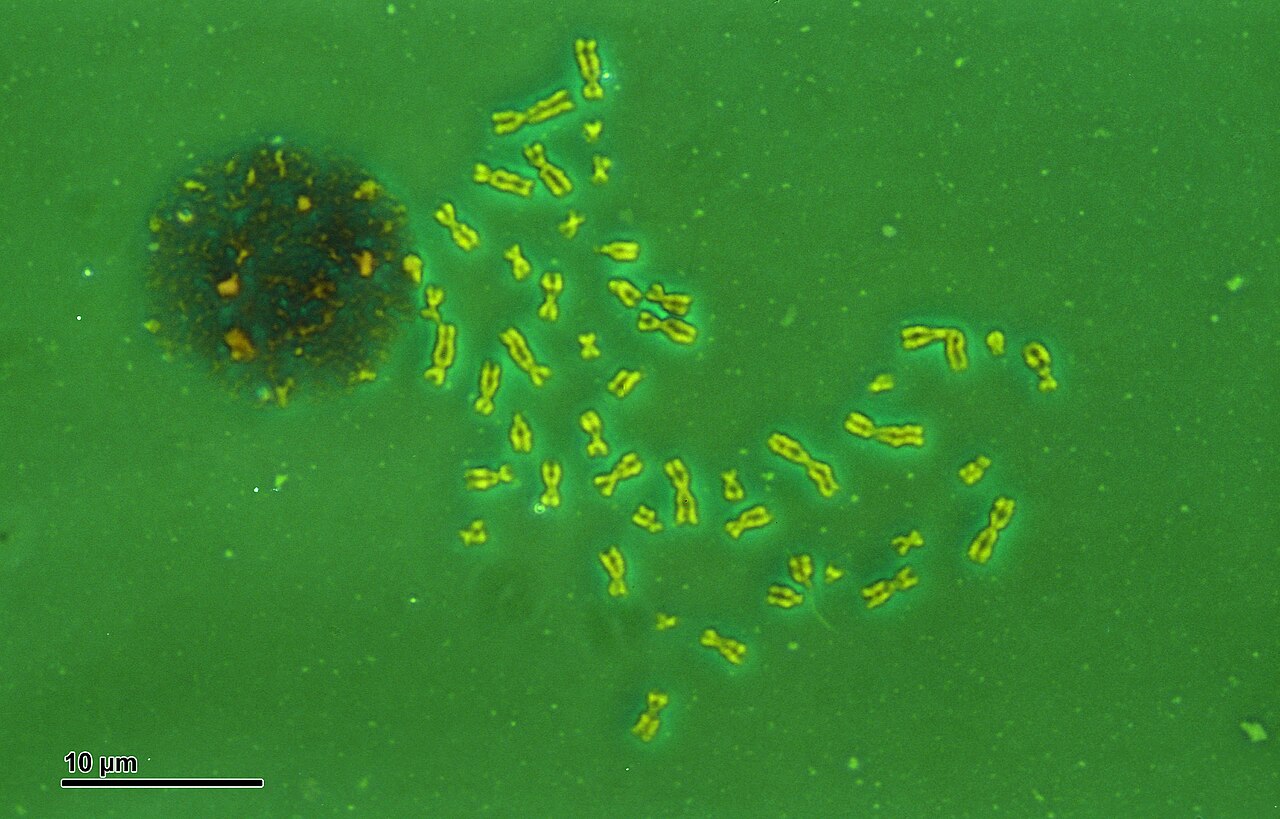
Klinefelter syndrome is often missed until adulthood, but a recognizable pattern can lead to chromosome testing and earlier fertility and health planning.
A missed diagnosis can finally make the pattern make sense
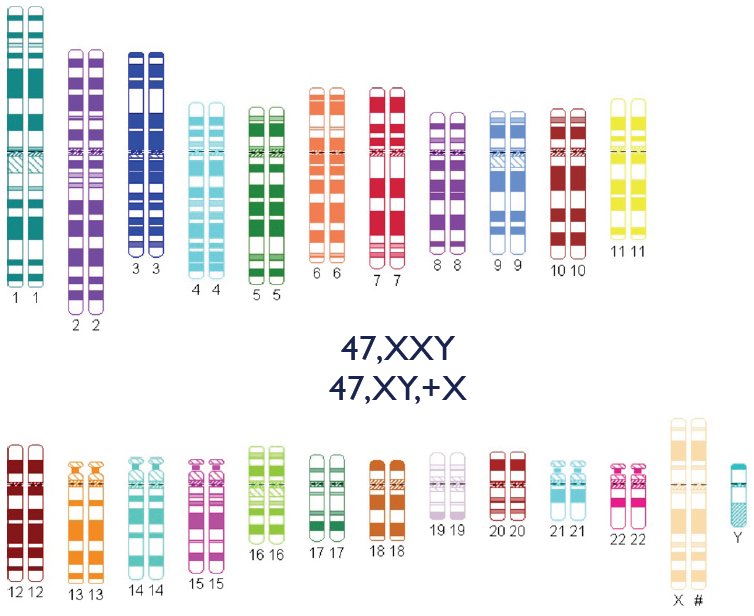
Some men spend years treating low energy, low libido or infertility as separate problems. Klinefelter syndrome can connect those dots. The condition usually involves an extra X chromosome—most often 47,XXY—and it commonly affects testicular development, sperm production and testosterone output.
It is not a diagnosis that can be made from height, body hair or one hormone test. The presentation varies widely, and mosaic forms can be subtler. The benefit of recognizing the pattern is a clearer path to confirmation, fertility counseling and long-term health checks.
Small testes and high gonadotropins are important clues
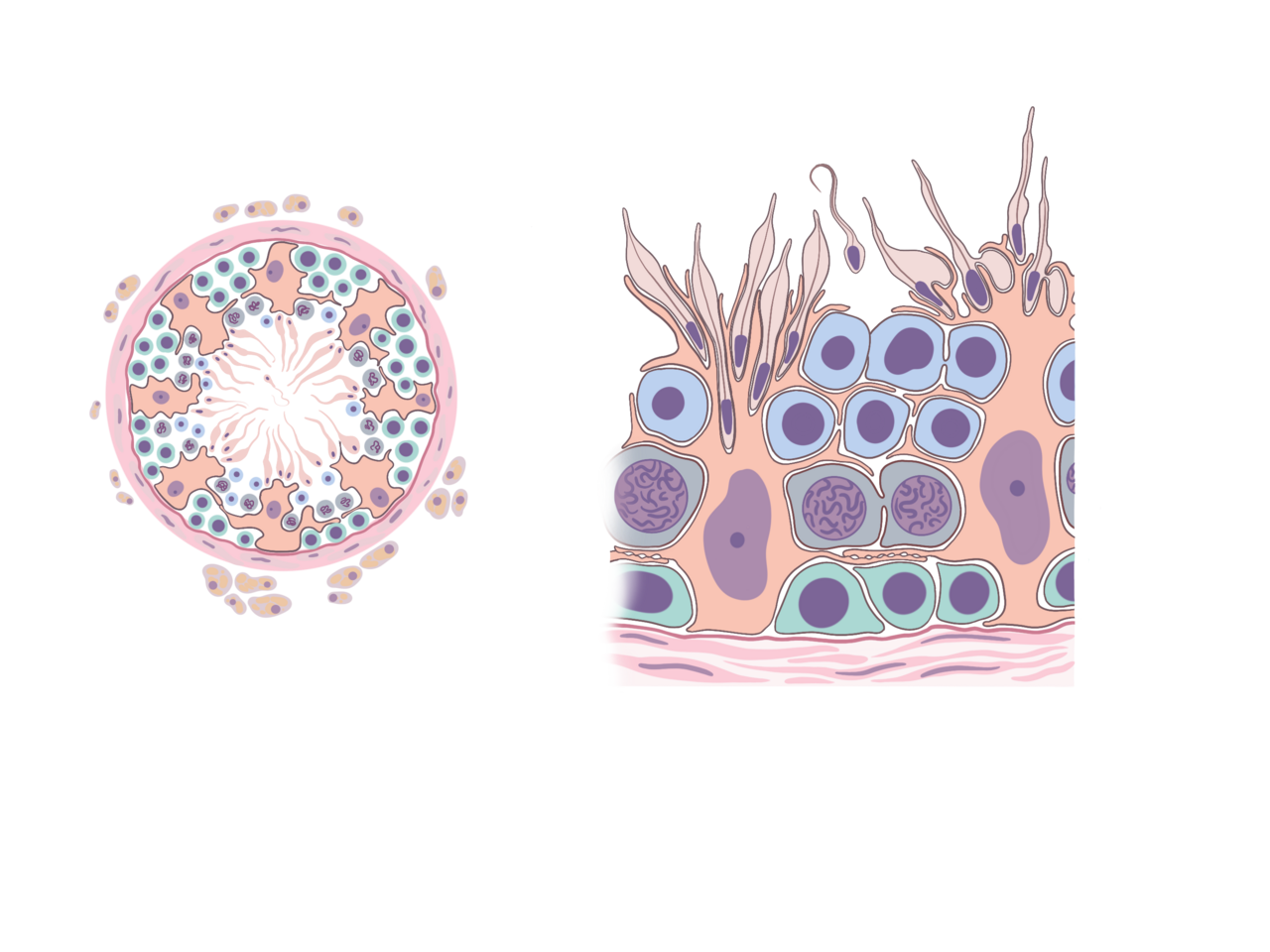
Adults with Klinefelter syndrome often have small, firm testes. LH and FSH are commonly elevated because the pituitary is pushing harder while the testes respond less effectively. Testosterone may be low or low-normal, and semen testing often shows azoospermia, meaning no sperm are seen in the sample.
Other possible clues include delayed or incomplete puberty, gynecomastia, reduced facial or body hair, low libido, lower bone density and metabolic risk. None is specific. In the 609-person KING cohort, the average age at diagnosis was in the late thirties, a reminder that a familiar textbook picture misses many real people.
Chromosome testing confirms the diagnosis
A karyotype looks at the number and structure of chromosomes. It can confirm the typical 47,XXY pattern and may identify mosaicism. Testing is especially reasonable when primary hypogonadism appears alongside very small testes, unexplained infertility or azoospermia.
Confirmation can prompt a broader review rather than a testosterone-only plan. The European Academy of Andrology guideline addresses fertility, bone health, metabolic health, breast health, learning and psychosocial needs because Klinefelter syndrome can reach beyond the reproductive system.
Fertility timing belongs before testosterone treatment
Outside testosterone can improve appropriate deficiency symptoms and secondary sex characteristics, but it also suppresses pituitary signals needed for sperm production. A man who may want biological children should discuss semen analysis, reproductive-urology referral and fertility-preservation options before treatment begins.
Klinefelter syndrome does not make biological fatherhood impossible in every case. Specialized sperm-retrieval techniques may find sperm in some men, followed by assisted reproduction. Success is not guaranteed, and the decision is individual, but an early conversation preserves more choices than a late surprise.
Build a plan that is wider than one prescription
Ask how the diagnosis affects bone density, blood pressure, glucose, lipids and breast or testicular symptoms. Treatment decisions should use confirmed hormone results, symptoms, age, fertility priorities and contraindications. Monitoring still includes testosterone response, hematocrit and other formulation-specific checks.
The practical win is clarity. A chromosome result does not define a person, but it can replace years of disconnected guesses with coordinated care. If low testosterone, high LH and FSH, small testes or infertility cluster together, asking whether a karyotype is appropriate is a useful next step.
Plan follow-up around the person, not the chromosome count
Some men need testosterone treatment; others need observation, fertility care or help with a different symptom first. The decision should not be automatic after a 47,XXY result. Baseline testosterone, symptoms, bone health, hematocrit, cardiovascular risks and personal priorities still shape the plan.
Family members and partners may also need a simple explanation: Klinefelter syndrome usually happens as a random chromosome event and is not something a person caused. Genetic counseling can help when questions about recurrence, mosaicism or testing details feel confusing.
A useful follow-up list includes the hormone plan, fertility plan, bone assessment and metabolic screening, with one clinician coordinating referrals. That structure prevents the diagnosis from becoming a label that generates many appointments but no clear owner.
Ask for copies of the karyotype, hormone results and semen testing rather than relying on a problem-list label. Those records make future fertility or endocrine visits faster and help distinguish confirmed findings from assumptions. A concise record is especially useful when care moves between primary care, endocrinology and reproductive urology.
Small practical steps matter too. Ask which symptoms should trigger earlier review, when the next hormone check is due and who will monitor bone and metabolic health. A written schedule turns a complex diagnosis into a manageable set of decisions.