Hemochromatosis and low testosterone: when excess iron reaches the hormone axis
Iron overload can affect the pituitary, testes and sexual health. Learn when low testosterone should prompt a closer look at hemochromatosis.
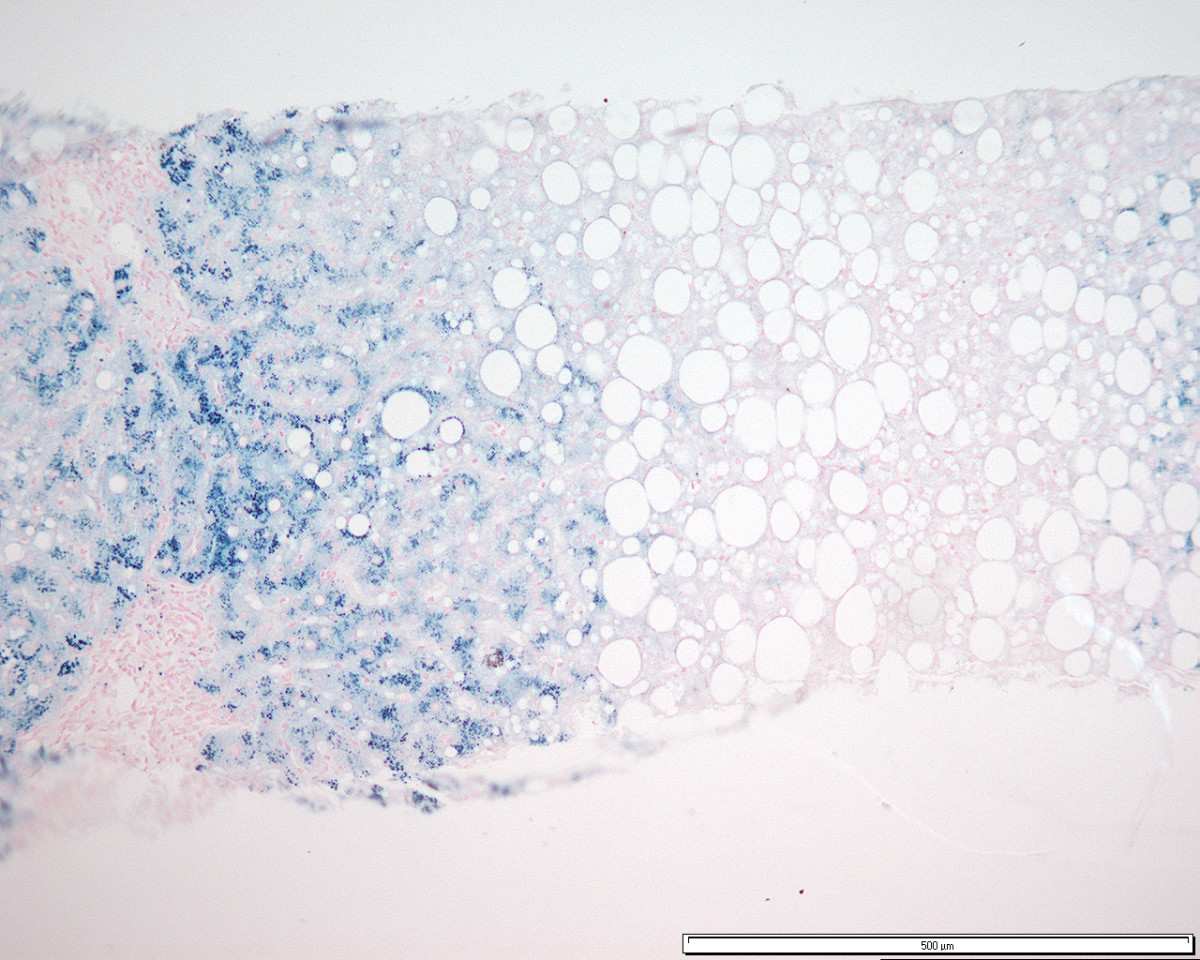
Hemochromatosis is an uncommon but treatable cause to consider when low testosterone appears with iron overload, liver disease, diabetes or family history.
One iron panel can change the direction of the workup
Low libido, fatigue and erectile problems can look like a straightforward testosterone story. Add high ferritin, abnormal transferrin saturation, liver disease, diabetes or a family history of iron overload, and hereditary hemochromatosis deserves attention.
The condition causes the body to absorb too much iron over time. Excess iron can collect in the liver, pancreas, heart, joints and endocrine organs. Finding it matters because treating iron overload can protect organs even when every symptom does not fully reverse.
The pituitary is often the vulnerable link
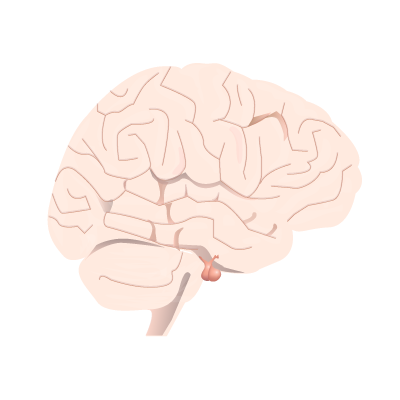
In men with hemochromatosis-related hypogonadism, testosterone is often low with low or inappropriately normal LH and FSH. That pattern suggests iron has disrupted pituitary signaling to the testes. Direct testicular injury and the effects of advanced liver disease can also contribute.
Older reports described very high rates because they often included people with advanced disease. A large modern single-center study found low testosterone with low LH and FSH in 9 of 141 tested men, or 6.4 percent. Eight of those nine had cirrhosis, showing how disease stage changes the picture.
Ferritin alone does not diagnose iron overload
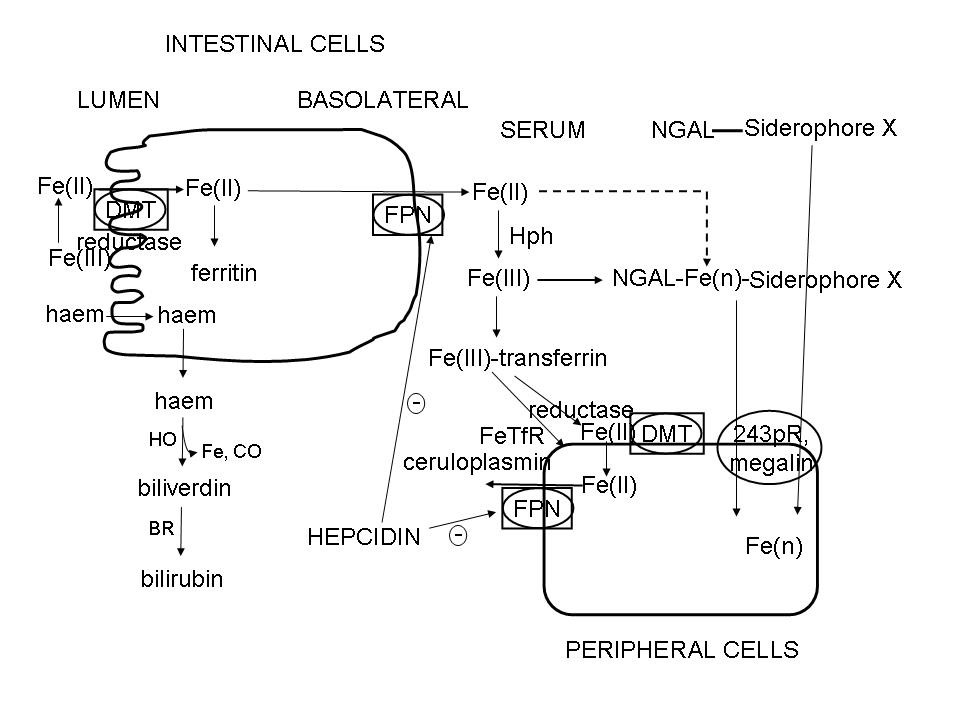
Ferritin rises with stored iron, but it can also increase with inflammation, infection, alcohol-related liver injury and metabolic disease. Transferrin saturation adds another view of how much iron is circulating. Persistent abnormalities may lead to HFE genetic testing and liver assessment.
A clinician should interpret the tests together rather than treating one elevated ferritin as proof of hereditary hemochromatosis. The same caution applies to testosterone: symptoms plus repeated morning measurements come before labeling hypogonadism.
Removing iron and replacing testosterone are different decisions
Phlebotomy—regular removal of blood—is standard treatment for many people with hereditary hemochromatosis because it lowers body iron. It may help endocrine function when treatment begins early, but established pituitary or testicular damage may not completely recover.
Testosterone treatment can be considered for persistent, symptomatic deficiency after the cause and usual contraindications are reviewed. Fertility plans still come first because outside testosterone suppresses sperm production. Some men with secondary hypogonadism may need reproductive-endocrine options rather than routine testosterone replacement.
Use the combination of clues
Bring prior ferritin, transferrin saturation, liver tests, glucose results and hormone measurements to the visit. Mention family history, bronze or gray skin changes, joint pain, liver disease, diabetes, heart problems, low libido and erectile symptoms. None proves the diagnosis alone.
The useful question is not whether every man with low testosterone needs genetic testing. It is whether this man has enough iron-overload clues to justify an iron panel and a cause-focused workup. That approach can uncover a condition whose biggest risks extend far beyond testosterone.
Separate iron symptoms from treatment promises
Fatigue and sexual symptoms may improve as iron overload is controlled, but recovery is not guaranteed and may take time. Liver damage, diabetes, age and the duration of endocrine injury all influence what happens next. A falling ferritin is not the same outcome as restored pituitary function.
Do not start iron supplements because of fatigue without laboratory evidence of deficiency. In someone with hemochromatosis, extra iron can worsen the underlying problem. Multivitamins, fortified foods and vitamin C supplements may also deserve review because vitamin C can increase iron absorption.
The practical plan is coordinated: manage iron overload, assess organ complications, repeat hormones under consistent conditions and treat persistent deficiency on its own merits. That avoids asking testosterone therapy to repair risks that belong to iron management.
Family screening may also matter after hereditary hemochromatosis is confirmed. The exact advice depends on the genetic result and relatives’ ages, so use the treating clinician’s plan rather than ordering broad direct-to-consumer panels. Early identification is most useful before cirrhosis, diabetes or endocrine damage develops.
Keep follow-up results on one timeline. Ferritin, transferrin saturation, liver status, testosterone, LH and FSH answer different questions, and improvement will not always happen together. Seeing the sequence prevents a single better value from being mistaken for full recovery.