Oral Testosterone Undecanoate and Blood Pressure: What to Monitor
A practical guide to oral testosterone undecanoate, food timing, blood-pressure changes and the checks that make treatment safer.
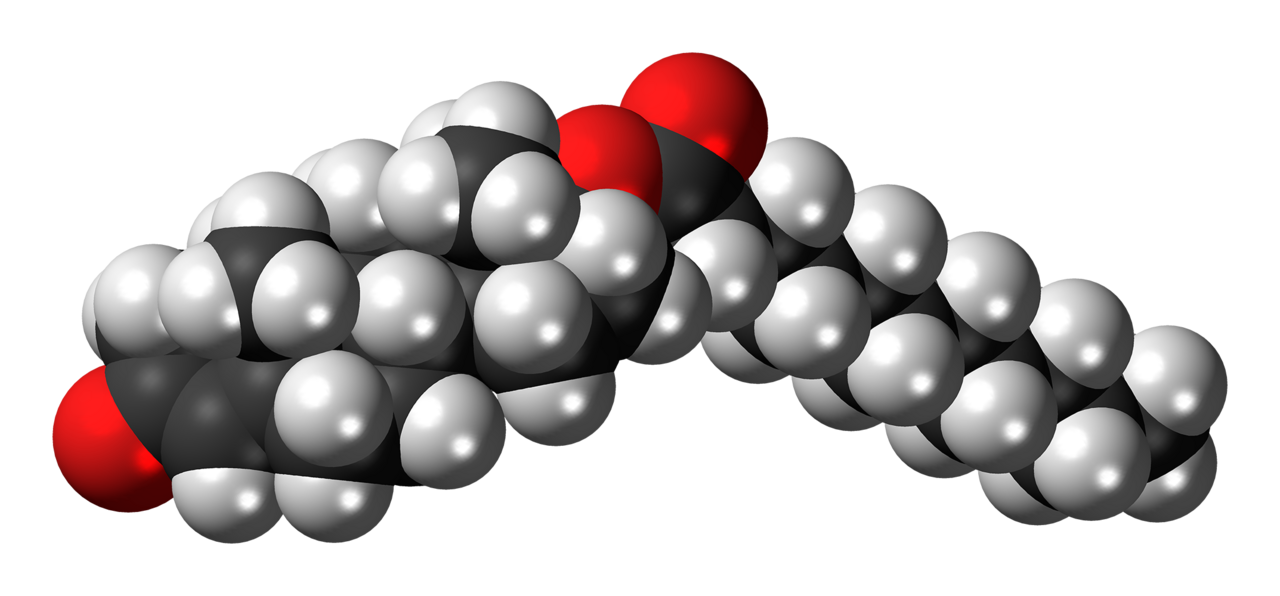
Oral testosterone undecanoate can restore testosterone without skin transfer or injections, but it requires correct food timing and regular blood-pressure, hematocrit and symptom checks.
A convenient route with a real monitoring tradeoff
A testosterone capsule can sound simpler than a gel or injection. Oral testosterone undecanoate avoids needles and removes the risk of transferring gel to a partner or child. The tradeoff is not “no monitoring.” Current US labeling warns that the medicine can raise blood pressure, so convenience has to travel with repeat measurements and a clear plan for abnormal results.
Treatment still starts with a confirmed diagnosis, not fatigue alone. Good care uses morning testing and repeat results because testosterone varies from day to day. Our guide to testosterone test timing and repeat results explains why one borderline number should not carry the whole decision. The related guide “Testosterone testing: why timing and a repeat result matter” adds useful context.
What the ambulatory blood-pressure trial found
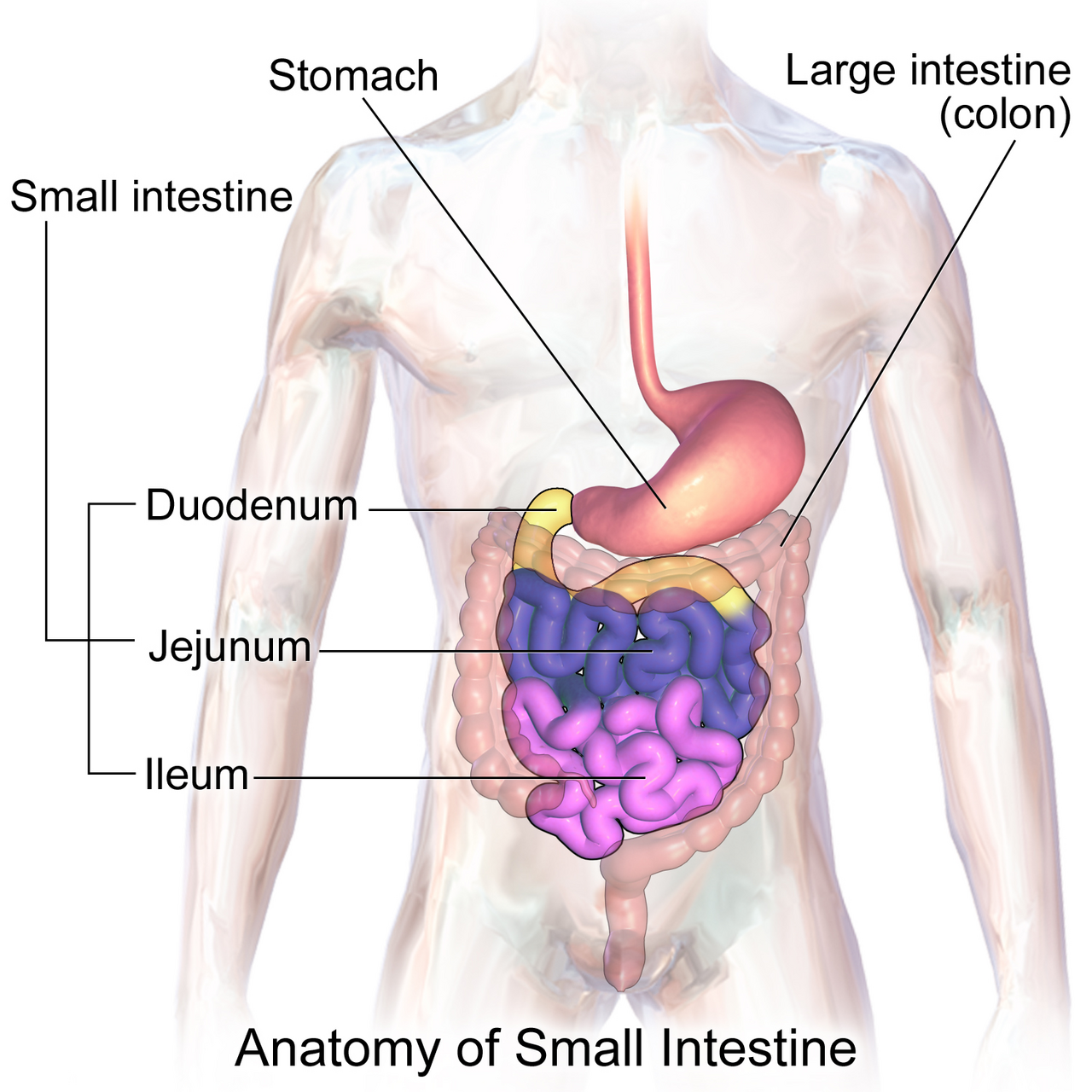
In a four-month study of 138 men, 24-hour ambulatory systolic pressure rose by an average of 3.8 mm Hg after oral testosterone undecanoate. An extension study reported average clinic systolic increases of roughly 3 to 6 mm Hg over two years. Those are group averages, not a prediction for one person, and they do not prove that every oral formulation behaves identically.
The FDA removed the older class-wide boxed cardiovascular warning in 2025 after reviewing the large TRAVERSE trial, yet it also required blood-pressure warnings across testosterone products. That distinction matters: the evidence eased one concern while sharpening another. Men with uncontrolled hypertension need a clinician-led risk discussion rather than assuming the label change means blood pressure no longer matters.
Food, dose adjustments and the laboratory calendar
Jatenzo is taken with food, and exposure changes with meal fat content. Follow the exact product instructions instead of moving capsules between fasted and fed doses. The timing of a blood draw also has to match the prescribed product. Injection users face a different rhythm; testosterone injection peaks, troughs and lab timing can make two correct results look very different. For a deeper explanation, see “Testosterone injection peaks and troughs: why lab timing changes the number.”
A practical follow-up list includes home or clinic blood pressure, testosterone at the label-specified time, hematocrit, lipids and symptoms such as swelling, headache or shortness of breath. Testosterone-related erythrocytosis is a separate issue from hypertension, but both can change the treatment plan. Do not increase a dose because energy has not changed before the safety data are reviewed. A practical companion is “Testosterone and hematocrit: why a rising blood count changes the treatment plan.”
Prescription treatment is not a testosterone booster
Oral testosterone undecanoate is prescription testosterone for men who meet diagnostic and eligibility criteria. Max T is an over-the-counter testosterone-support supplement, not an oral form of TRT and not a substitute for diagnosis or prescription monitoring. Ingredient research on a supplement cannot establish the blood-pressure or hormone effects of the finished formula.
That separation also helps when comparing testosterone boosters and evidence before buying. Supplements are regulated differently, and a “natural” label does not answer questions about interactions, quality or whether low testosterone is actually present. Bring every product list to the prescribing clinician so the blood-pressure and laboratory plan covers the whole picture. The background is covered in “Do testosterone boosters work? How to read the evidence before buying.”
A practical close: measure before guessing
Before starting, record several properly taken blood-pressure readings and review sleep apnea, clot history, prostate symptoms, fertility plans and current medicines. After starting, use the schedule on the specific label and the clinician’s plan. New leg swelling, chest pain, sudden breathlessness or neurologic symptoms need urgent assessment, not a delayed routine appointment. Next, read “Testosterone and prostate safety: what TRAVERSE can—and cannot—reassure.”
Oral testosterone can be a useful route when it fits the diagnosis and daily routine. Its best advantage is predictable use, not freedom from follow-up. Keep food conditions consistent, write down readings, and treat a rising trend as information to act on rather than a reason to stop or change treatment on your own.
Bring the actual bottle or medication guide to follow-up because oral testosterone products do not share identical dosing instructions. Ask what time to take each dose, how much food is needed, when to draw testosterone and which blood-pressure average should prompt a call. If home readings are being used, confirm cuff size and technique: sit quietly, support the arm, keep feet on the floor and take repeated readings at similar times. A clean log is more useful than one anxious reading after exercise, caffeine or pain. Never split, substitute or switch brands based only on the word “undecanoate”; the formulation and label determine how the medicine is absorbed and monitored.