Low energy availability in men: when low testosterone is a fueling signal
Heavy training plus too little available energy can affect male hormones, bone and recovery. Learn why more supplements may miss the real problem.

In male athletes, low testosterone can be one sign of an energy and recovery problem, not an automatic reason to start a hormone or booster.
A faster training block can hide a slower recovery problem
A runner can improve race pace while testosterone falls. A lifter can keep training while sleep, mood, libido and bone health drift the wrong way. Low energy availability happens when dietary energy is too low for both exercise and the body’s basic work.
The useful answer is not always another supplement. When heavy training, weight loss or restrictive eating sits beside low testosterone, the first win may come from restoring energy availability and adjusting the workload.
Hormones can respond to the season
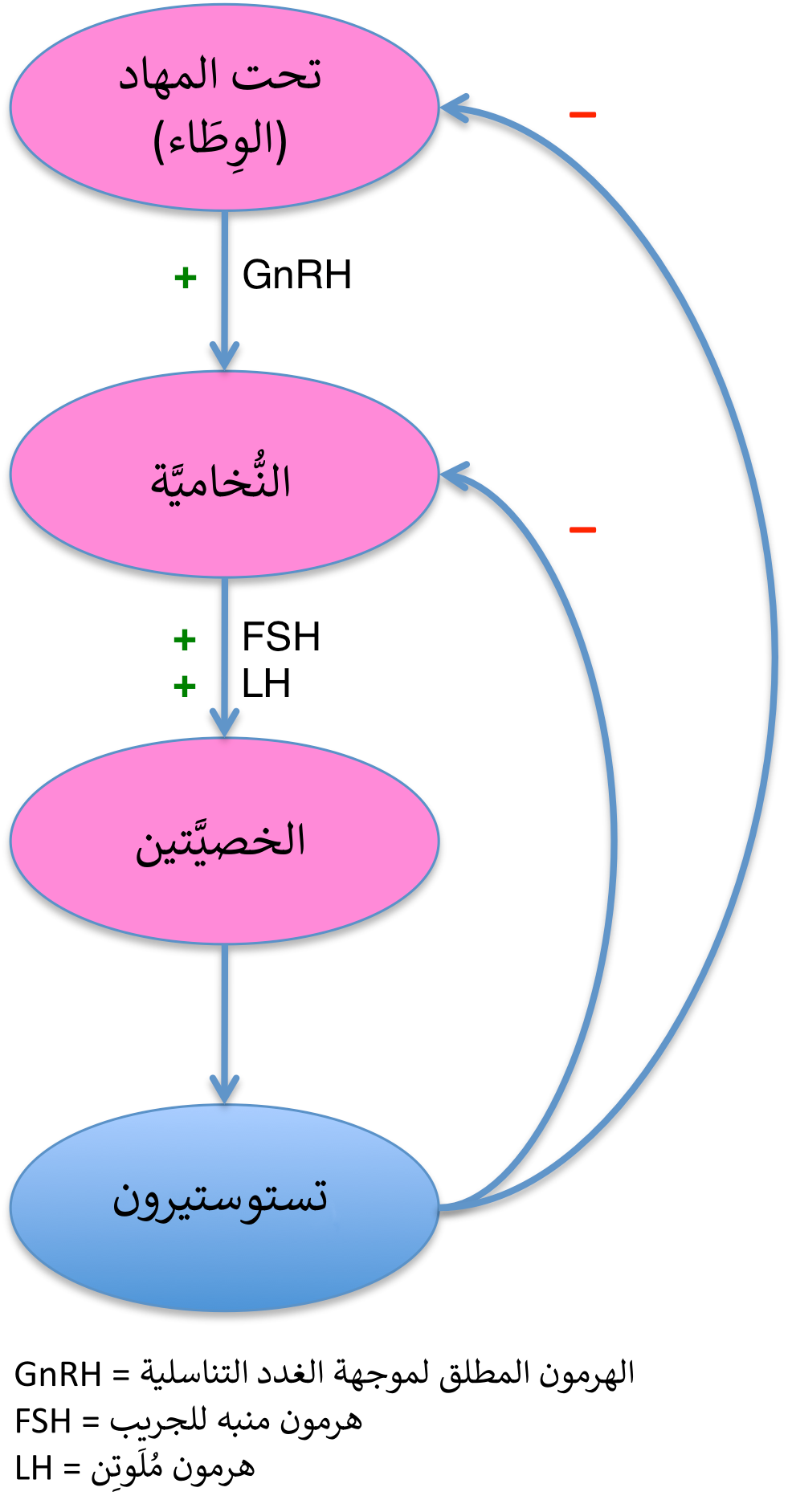
A study following high-level male endurance runners through a season found that testosterone and LH fell during a high-volume phase associated with low energy availability, then rose later. The pattern points toward altered brain and pituitary signaling rather than permanent testicular failure.
That does not mean every athlete with a low result has exercise-associated suppression. Morning timing, acute illness, sleep, medications and ordinary laboratory variation still matter. Symptoms and repeat testing remain essential.
Performance can change before hormones do
In a small controlled trial, 12 trained male endurance athletes reduced energy availability for 14 days. Explosive power and well-being worsened, while several hormone measures did not clearly change. Short experiments can miss slower endocrine effects.
That finding is practical: waiting for testosterone to fall may be waiting too long. Persistent fatigue, repeated injuries, declining mood, food preoccupation, poor recovery, reduced libido and unexpected bone stress can justify a sports-medicine or dietitian review even before a hormone flag appears.
One low result is not a green light for testosterone
Outside testosterone can suppress sperm production and may violate anti-doping rules. It can also mask the underlying energy problem while bone, nutrition and training remain uncorrected. A “testosterone booster” is no substitute for enough food and recovery.
The evaluation may include repeated morning testosterone, LH, FSH, thyroid markers, blood count, iron status, vitamin D, bone history and nutrition assessment. The exact workup depends on symptoms and sport, not a universal athlete panel.
Build recovery back into the program
Track training volume, body-weight trend, meals, sleep, libido, mood and injuries over several weeks. A sports dietitian can estimate whether carbohydrate, total energy and meal timing match the workload. A coach can help reduce volume or intensity while health markers recover.
The practical close is to treat low testosterone as information, not identity. In an underfueled athlete, it may be the body conserving resources. Correcting the mismatch between intake and output can support performance and long-term health more directly than chasing a temporary number.
Use recovery markers that are close to the problem
Body weight alone can miss low energy availability. An athlete may maintain weight while intake and expenditure remain mismatched, or lose weight intentionally while early symptoms accumulate. Training quality, resting energy, libido, injury pattern, mood and food restriction add context.
Bone stress injuries, repeated illness or a clear decline in well-being deserve attention even if race times are improving. One endurance study found testosterone fell while performance improved, showing why performance cannot serve as the only health screen.
Set a review date after nutrition and training changes. Repeat symptoms and selected labs under similar conditions, then decide whether more endocrine testing is needed. A planned reassessment keeps “eat more and rest” from becoming vague advice and shows whether the intervention actually changed the pattern.
Competitive athletes should involve clinicians who understand anti-doping rules. A medically necessary evaluation does not automatically authorize a prohibited substance, and supplement contamination can also create risk. Keep product labels and choose tested sports supplements when possible, but remember that certification lowers contamination risk rather than proving performance benefit.
Recovery should be gradual enough to monitor. A sudden jump in intake or sharp cut in training is not always necessary, especially when an athlete has gastrointestinal issues or an upcoming event. A staged plan can improve adherence while still correcting the energy gap.