Testosterone Therapy and Blood Clots: What the Evidence Says
A measured guide to testosterone, DVT and pulmonary embolism, including TRAVERSE findings and urgent warning signs.
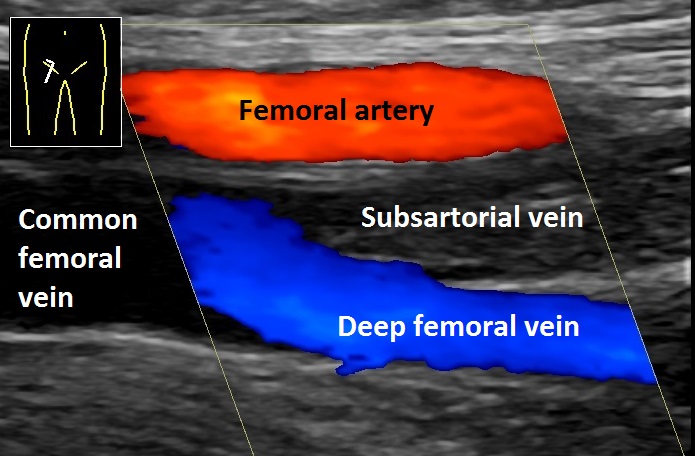
Trials have not shown a clear statistically significant rise in venous clots with testosterone, but estimates remain imprecise and current labels warn about DVT and pulmonary embolism symptoms.
The answer is more precise than “safe” or “dangerous”
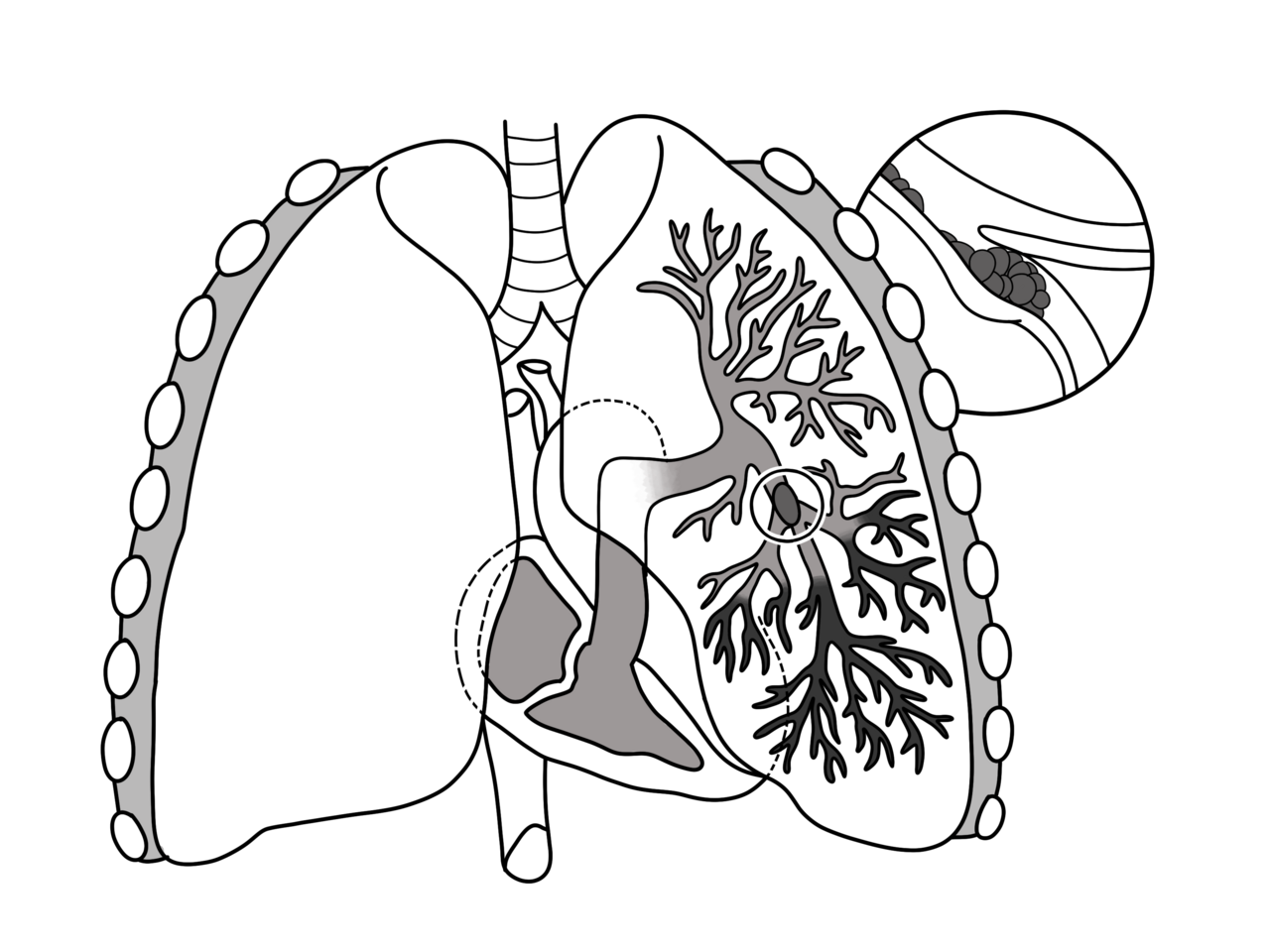
Venous thromboembolism includes deep vein thrombosis, usually in a leg, and pulmonary embolism, when a clot reaches the lungs. Testosterone labels carry warnings because postmarketing cases have occurred and the largest cardiovascular trial recorded numerically more pulmonary emboli with testosterone. That signal deserves attention without pretending it proves cause for every event.
The TRAVERSE cardiovascular safety guide covers the trial’s main heart findings. Its VTE numbers are a secondary safety signal: the current Natesto label reports VTE in 1.7% of the testosterone group and 1.2% of placebo, including pulmonary embolism in 0.9% versus 0.5%. The related guide “TRAVERSE and testosterone cardiovascular safety: what the trial answered” adds useful context.
Meta-analyses cannot rule out an important increase
A meta-analysis of 13 randomized trials involving 5,050 men found no significant association between testosterone and VTE, with a risk ratio of 1.03. The confidence interval ran from 0.49 to 2.14, which is wide enough to include both lower risk and a clinically important increase. The authors rated the evidence low quality.
A later review similarly found no significant RCT signal, but its clot estimates were even less precise. “Not statistically significant” is not the same as “proven no risk.” Clots are uncommon, trials were not always designed around VTE, and individual risk can be much higher than the average trial participant’s.
Baseline risk factors still do heavy lifting
Previous VTE, recent surgery, prolonged immobility, active cancer, inherited thrombophilia and some serious illnesses can raise clot risk. Obesity, smoking and age may add to the picture. A clinician may need records from the prior event or specialist input before deciding whether testosterone’s expected benefit is worth the uncertainty. For a deeper explanation, see “Testosterone and aging: the decline is not one fixed percentage for every man.”
Testosterone can also raise hematocrit. Erythrocytosis is not identical to a venous clot, and lowering hematocrit has not been proven to erase all VTE risk. Still, hematocrit monitoring matters because a substantial rise can trigger a pause, dose change or evaluation for contributors such as sleep apnea. A practical companion is “Testosterone and hematocrit: why a rising blood count changes the treatment plan.”
Know the symptoms that should bypass routine messaging
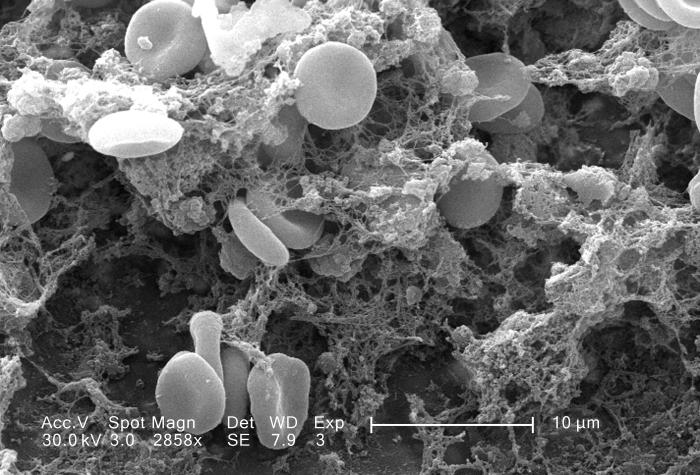
One-sided leg swelling, pain, warmth or redness can signal DVT. Sudden unexplained shortness of breath, sharp chest pain, coughing blood, fainting or a rapid heartbeat can signal pulmonary embolism. These symptoms need urgent medical assessment. Do not wait for the next testosterone appointment or try to diagnose the cause at home.
Labels instruct clinicians to stop testosterone and begin appropriate evaluation when VTE is suspected. That decision belongs in urgent care, where imaging and laboratory testing can be used correctly. A normal home blood-pressure reading cannot exclude a clot, and taking aspirin on your own is not an adequate response.
Turn uncertainty into a concrete monitoring plan
Before treatment, review clot history, family history, upcoming surgery, mobility, cancer treatment and every medicine. Confirm the testosterone indication with repeat testing. During treatment, follow symptoms and hematocrit, and revisit the plan around hospitalization or surgery rather than assuming the original decision lasts forever. The background is covered in “Testosterone testing: why timing and a repeat result matter.”
The evidence supports a measured conclusion: a large VTE increase has not been demonstrated across randomized trials, yet a meaningful increase cannot be excluded and product warnings remain current. Use that uncertainty to ask better questions, not to dismiss either the medicine or the risk.
If you already use an anticoagulant, do not change it because testosterone is started or stopped without the prescriber who manages the clotting condition. Anticoagulation lowers some risk but also creates bleeding risk and does not make every treatment choice harmless. Long flights and recovery from surgery deserve their own prevention plan based on personal risk. Keep the testosterone product and dose on the medication list given to emergency or hospital teams. Most importantly, do not use a normal hematocrit as proof that a swollen leg is safe; VTE assessment depends on symptoms, examination and appropriate imaging, not one routine TRT laboratory result. Likewise, genetic thrombophilia testing is not a routine screening test for everyone considering testosterone; whether it helps depends on personal and family clot history.