Aromatase Inhibitors in Men: Testosterone, Estradiol and Bone
Why anastrozole can raise testosterone while lowering estradiol, and why symptoms, fertility and bone health matter.
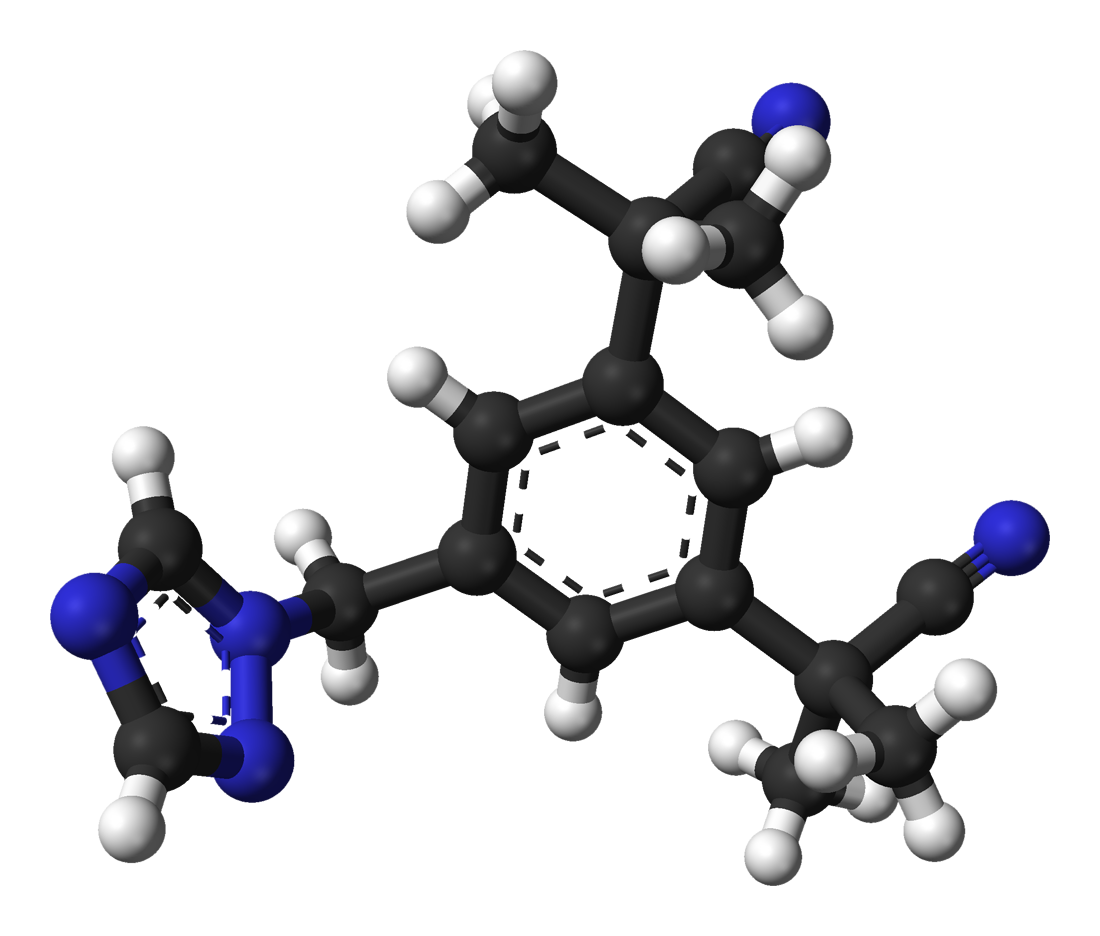
Aromatase inhibitors can raise testosterone and lower estradiol in selected men, but higher testosterone has not reliably produced better strength or body composition and lower estradiol can harm bone.
A higher testosterone number can hide a lower estradiol problem
Aromatase converts some testosterone into estradiol. Blocking that enzyme with a medicine such as anastrozole can push testosterone up and estradiol down. The laboratory change is predictable; the clinical benefit is not. Men need estradiol for bone, sexual function and other tissues, so driving it as low as possible is not a sensible goal.
This is different from interpreting a low testosterone result with SHBG and free testosterone. Aromatase inhibition changes hormone production and balance. It should not be used simply because a total value looks disappointing or because a gym forum labels estrogen as the enemy. The related guide “Free vs. total testosterone: where SHBG changes the interpretation” adds useful context.
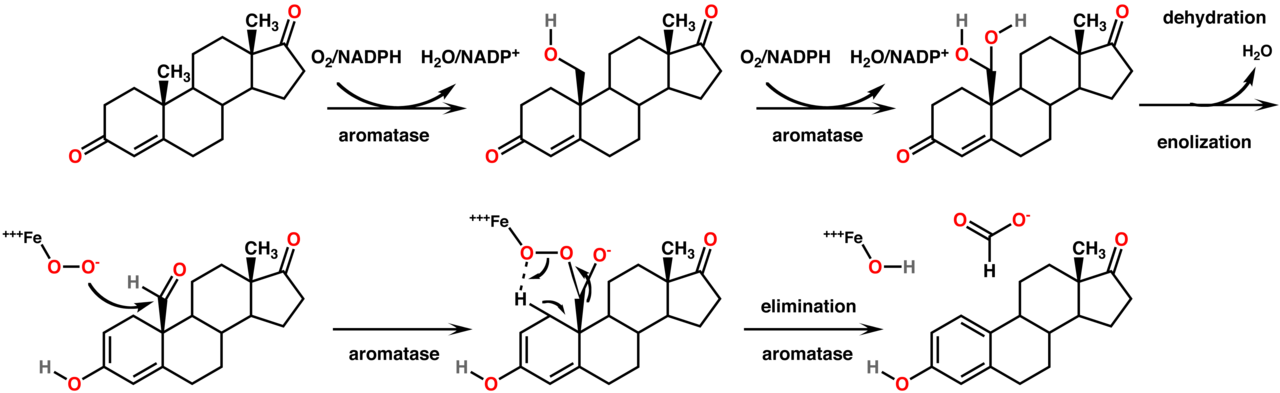
Randomized trials show the central tradeoff
In a one-year randomized trial of older men with low or borderline testosterone, anastrozole raised testosterone and modestly lowered estradiol. It did not improve body composition or strength compared with placebo. A related bone analysis found a decrease in spine bone mineral density in the anastrozole group.
Those findings are a useful reality check: a hormone number can move in the intended direction while an important tissue outcome does not. The trial was small and focused on older men, so it does not answer every fertility or obesity-related question. It does establish that bone is not a theoretical side issue.
When specialists may consider an aromatase inhibitor
Specialists sometimes consider off-label aromatase inhibition for selected men with secondary hypogonadism, obesity-related high aromatization, or fertility goals. The decision depends on symptoms, repeated hormones and the reason estradiol is elevated. A sensitive estradiol assay and correct sampling are more useful than treating a single unverified number.
The LH and FSH guide helps explain why an intact signaling axis matters. Like clomiphene, an aromatase inhibitor relies on the body’s own pituitary and testicular response. It is unlikely to repair primary testicular failure and is not an approved substitute for testosterone therapy. For a deeper explanation, see “LH and FSH after low testosterone: the tests that show where the signal broke.”
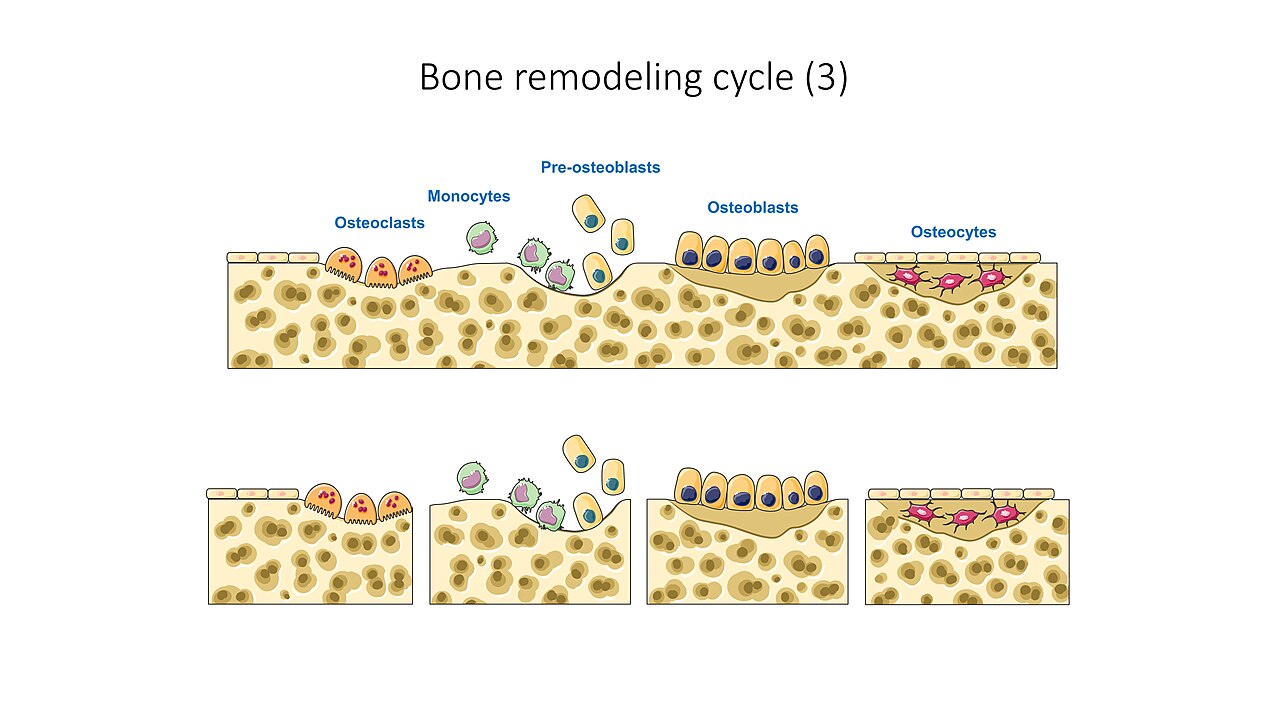
Bone, joints, mood and sexual symptoms belong in follow-up
Monitoring may include testosterone, estradiol, symptoms and bone density when treatment is prolonged or risk is elevated. Joint discomfort, low libido, mood changes or reduced sexual function may signal that the balance is wrong, though none is specific. A testosterone and fracture-risk guide explains why skeletal outcomes deserve more weight than a short-term lab win. A practical companion is “Testosterone and fractures: stronger bone measures did not mean fewer fractures.”
Men also need a full medication and supplement review. Products marketed as “estrogen blockers” may contain undisclosed or poorly studied ingredients, and ingredient labels do not prove enzyme inhibition in a person. Do not combine anastrozole with a testosterone booster or TRT without the prescriber knowing. The background is covered in “Do testosterone boosters work? How to read the evidence before buying.”
Treat the person, not the ratio
Online discussions often promote a fixed testosterone-to-estradiol ratio. Clinical decisions are more individual: symptoms, assay quality, bone health, fertility plans, dose, body composition and underlying disease all matter. Lowering estradiol without a clear indication can create a new problem while chasing an old one. Next, read “Testosterone therapy and fertility: why a higher blood level can lower sperm production.”
Ask what outcome the medicine is meant to improve, how long the trial will run and what finding will stop it. Aromatase inhibitors can be useful specialist tools, but the honest promise is narrower than “more testosterone.” The aim is a safer hormonal balance with a measurable benefit.
Before treatment, review fracture history, calcium and vitamin D intake, smoking, alcohol and medicines that affect bone. A clinician may consider baseline bone density when risk or expected duration justifies it. Repeat hormones only at a consistent time and with the assay the plan specifies; chasing small fluctuations can lead to overcorrection. Do not use breast tenderness alone to diagnose high estradiol or respond by taking extra tablets. New severe joint pain, worsening libido, mood changes or a fragility fracture should trigger a review. If the intended symptom has not improved despite a higher testosterone level, the most useful next move may be stopping rather than driving estradiol lower. Because anastrozole is approved for breast cancer treatment in postmenopausal women, use in male hypogonadism is off-label and requires an explicit explanation of alternatives and uncertainties.