Testosterone Pellets: Long-Acting Convenience and Procedure Risks
A balanced guide to testosterone pellets, including duration, incision-site risks, dose adjustment limits and follow-up testing.
Pellets can reduce day-to-day dosing, but each insertion is a minor procedure and the dose cannot be quickly removed or fine-tuned after placement.
Months without daily dosing—plus a minor procedure
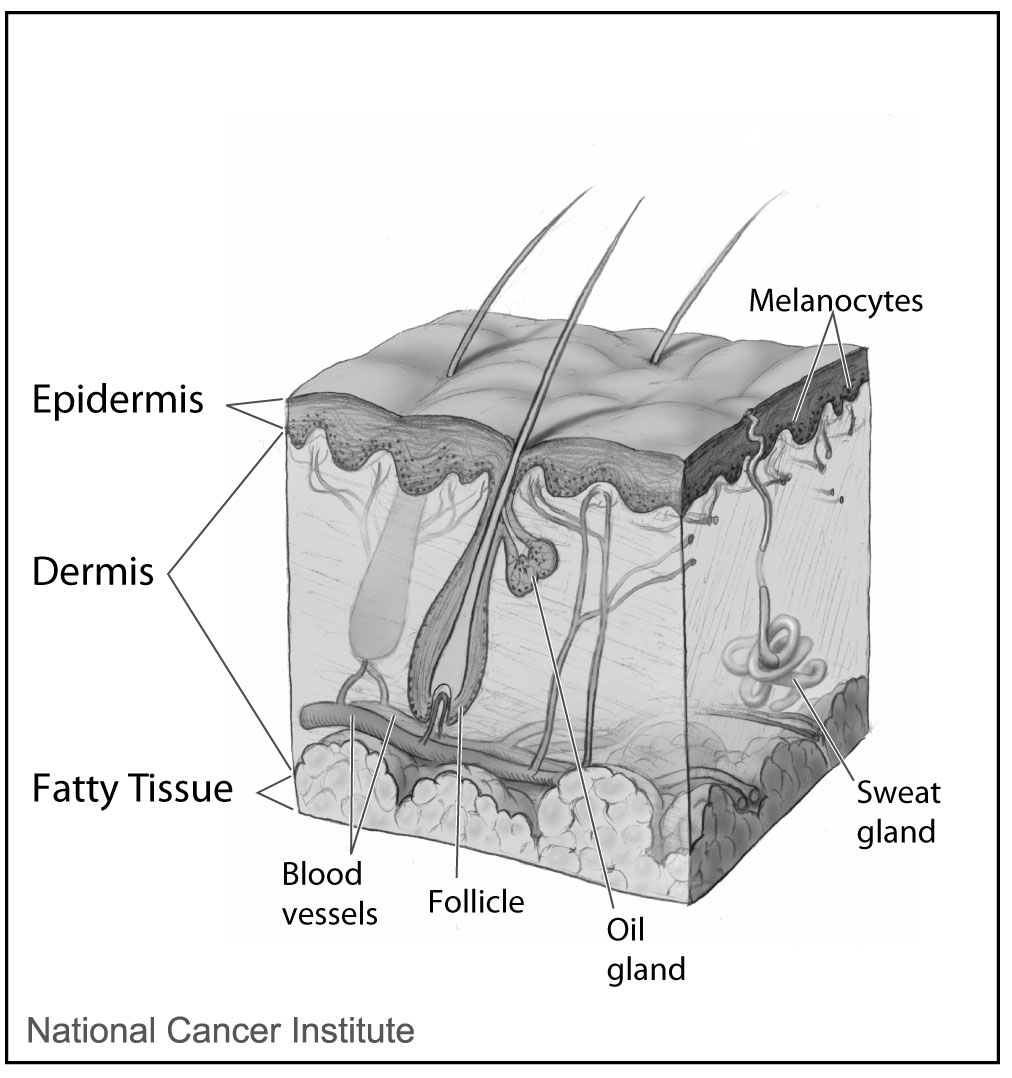
Testosterone pellets trade frequent dosing for a small office procedure. Cylinders are placed under the skin, usually near the hip or buttock, and release testosterone over several months. That can appeal to people who forget gel or dislike injections. It also means accepting an incision, wound care and less flexibility once the pellets are in place.
Pellets do not change who should receive testosterone. Symptoms still need to line up with repeatedly low morning results and a clinical evaluation. The difference between free and total testosterone can matter when binding proteins make a total result hard to interpret. The related guide “Free vs. total testosterone: where SHBG changes the interpretation” adds useful context.
What “long acting” really means
Small pharmacokinetic studies found an early rise followed by a slower decline, while a large observational series reported useful levels for roughly four to six months for many insertions. Individual duration varied with dose and patient factors. These studies describe patterns; they do not guarantee that one insertion will last a particular number of months.
Unlike a gel that can be adjusted the next day, pellets cannot be casually dialed up or down. If levels are too high, monitoring and time may be the main tools unless a complication requires removal. If they are too low, adding more too soon can create stacking. That makes the first dosing plan and scheduled laboratory window important.
Insertion-site problems deserve plain language
Reported complications include bruising, bleeding, infection and extrusion, in which a pellet works back through the incision. Rates vary by technique, dose and study. Heavy lower-body activity soon after insertion may stress the site, so follow the clinician’s aftercare instructions and ask exactly when exercise, bathing and travel are reasonable.
Call the clinic for spreading redness, drainage, fever, persistent bleeding, worsening pain or a pellet emerging from the wound. Do not push an exposed pellet back under the skin. General gel transfer precautions are not relevant to pellets, but the comparison helps explain why someone may accept a procedure to avoid daily skin exposure. For a deeper explanation, see “Testosterone gel transfer: the daily steps that protect partners and children.”
Systemic monitoring does not disappear
Pellets can raise hematocrit just like other testosterone routes. A testosterone hematocrit monitoring plan should state when to test, which threshold triggers action and whether sleep apnea, smoking or lung disease may be contributing. Prostate symptoms and PSA are handled according to age, risk and shared decision-making rather than with a one-size-fits-all schedule. A practical companion is “Testosterone and hematocrit: why a rising blood count changes the treatment plan.”
Fertility is another route-independent issue. External testosterone can suppress LH and FSH signaling and reduce sperm production. Anyone who may want a pregnancy should discuss testosterone therapy and fertility before an insertion that continues releasing medicine for months. The background is covered in “Testosterone therapy and fertility: why a higher blood level can lower sperm production.”
Choose the dosing burden you can actually manage
Pellets make sense for some people who value infrequent administration and have already shown that testosterone therapy is appropriate and tolerated. They are less attractive when rapid dose changes, needle-free but reversible dosing, or avoidance of procedures is the priority. Cost and coverage can also differ from gels or injections. Next, read “Testosterone injection peaks and troughs: why lab timing changes the number.”
Ask how many insertions the clinician performs, what complication instructions you will receive, when testosterone and hematocrit will be checked, and how the next dose will be chosen. The best route is not the one with the longest interval; it is the one whose benefits, risks and follow-up fit your life.
Before consenting, clarify the brand, number of pellets, placement site, anesthetic, expected recovery and what happens if a pellet extrudes. Ask whether the clinic charges separately for insertion, the medicine and complication care. Keep the procedure date and dose in your records; that information matters if another clinician evaluates a high testosterone level or wound problem. Avoid assuming a low symptom score near the end of the cycle means an immediate repeat insertion is needed. Confirm the level at the planned time, review how long the last dose actually lasted and use that evidence to set the next interval.