Testosterone
Testosterone and aging: the decline is not one fixed percentage for every man
Longitudinal studies show that age, obesity, illness, medicines, and measurement conditions all shape testosterone trends. Here is a more accurate guide.
Hormone health, beyond the hype
Longitudinal studies show that age, obesity, illness, medicines, and measurement conditions all shape testosterone trends. Here is a more accurate guide.
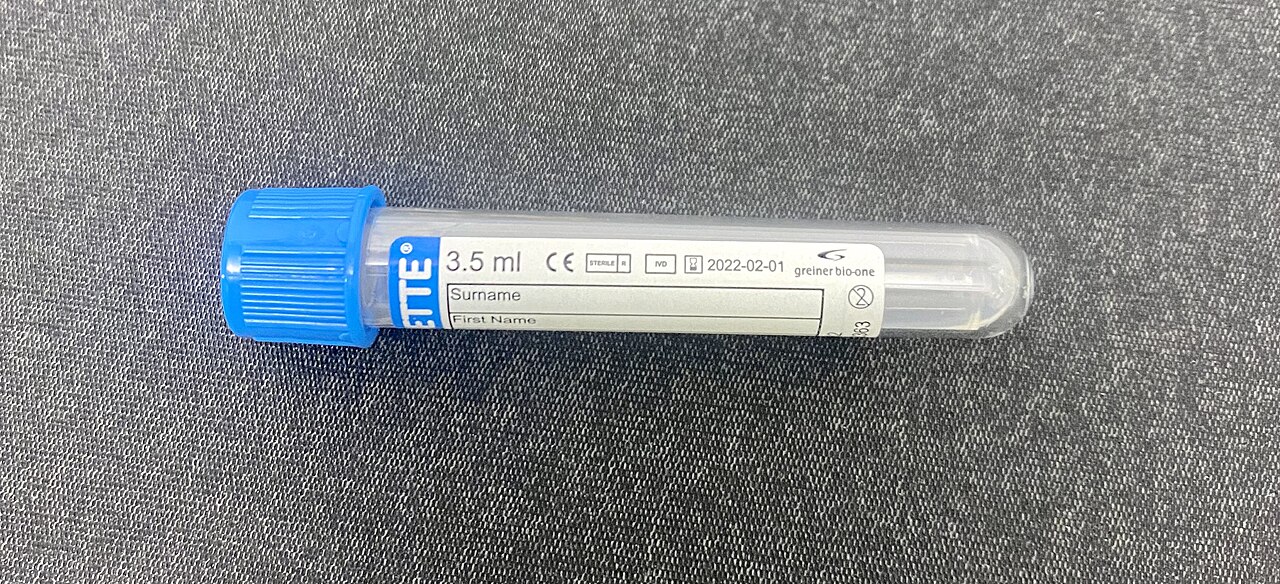
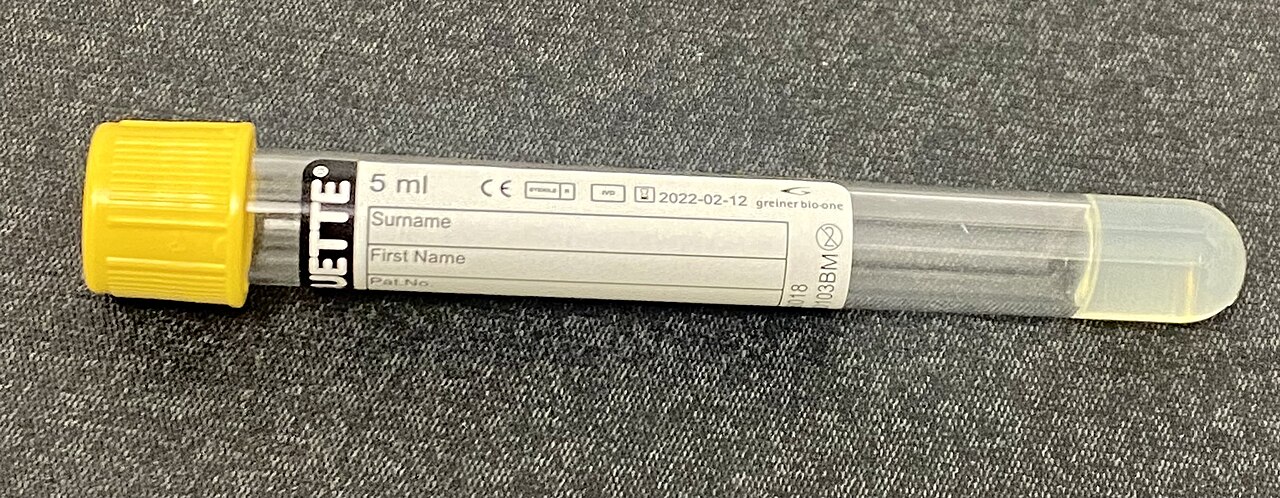
A practical guide to morning testosterone tests, normal day-to-day variation, repeat measurements, symptoms, and what one low result can—and cannot—show.
Research links obesity with lower testosterone, but the relationship is not a quick-fix promise. Here is what weight-loss studies and clinical guidance actually show.
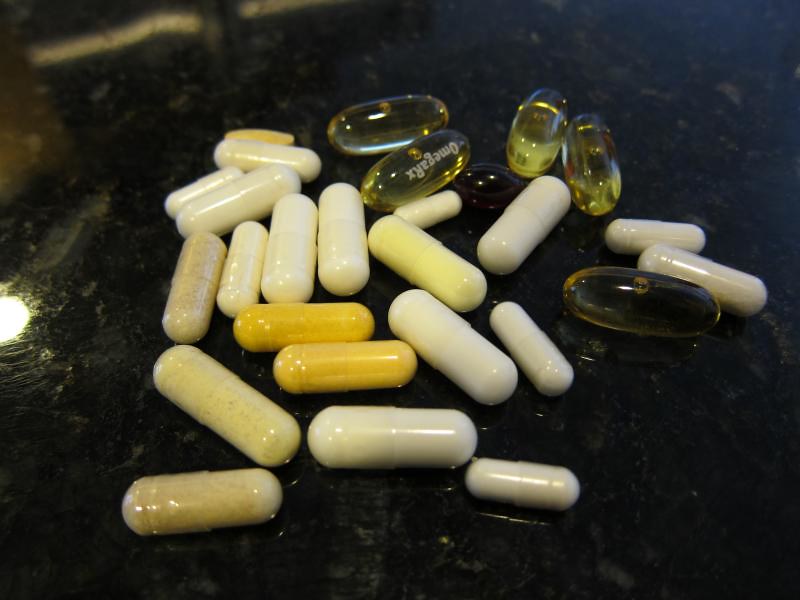
Learn how testosterone booster studies differ from product claims, why low testosterone needs evaluation, and what to check on a supplement label.
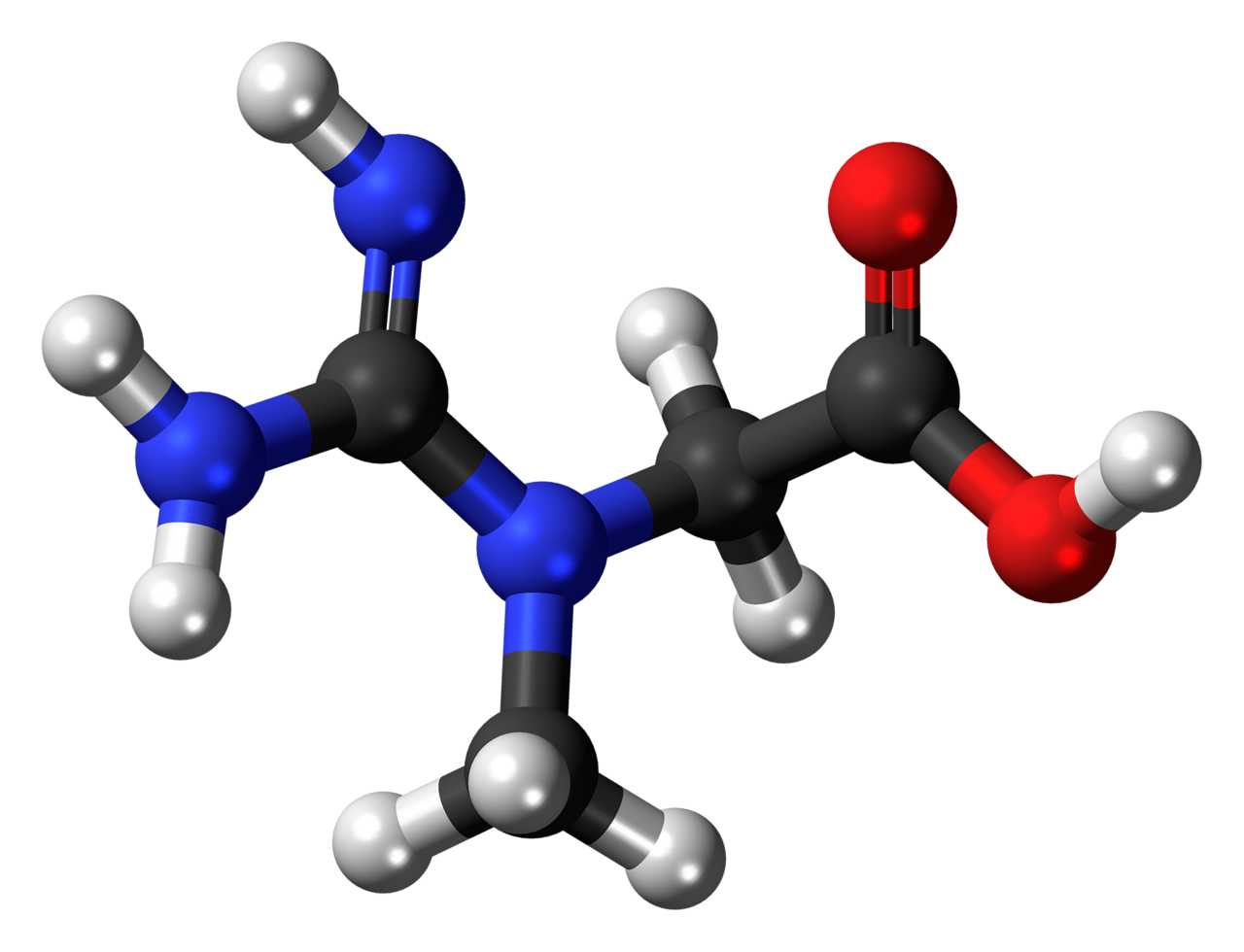
What creatine research says about performance, how a recent hormone-and-hair trial was designed, and why related claims need separate evidence.
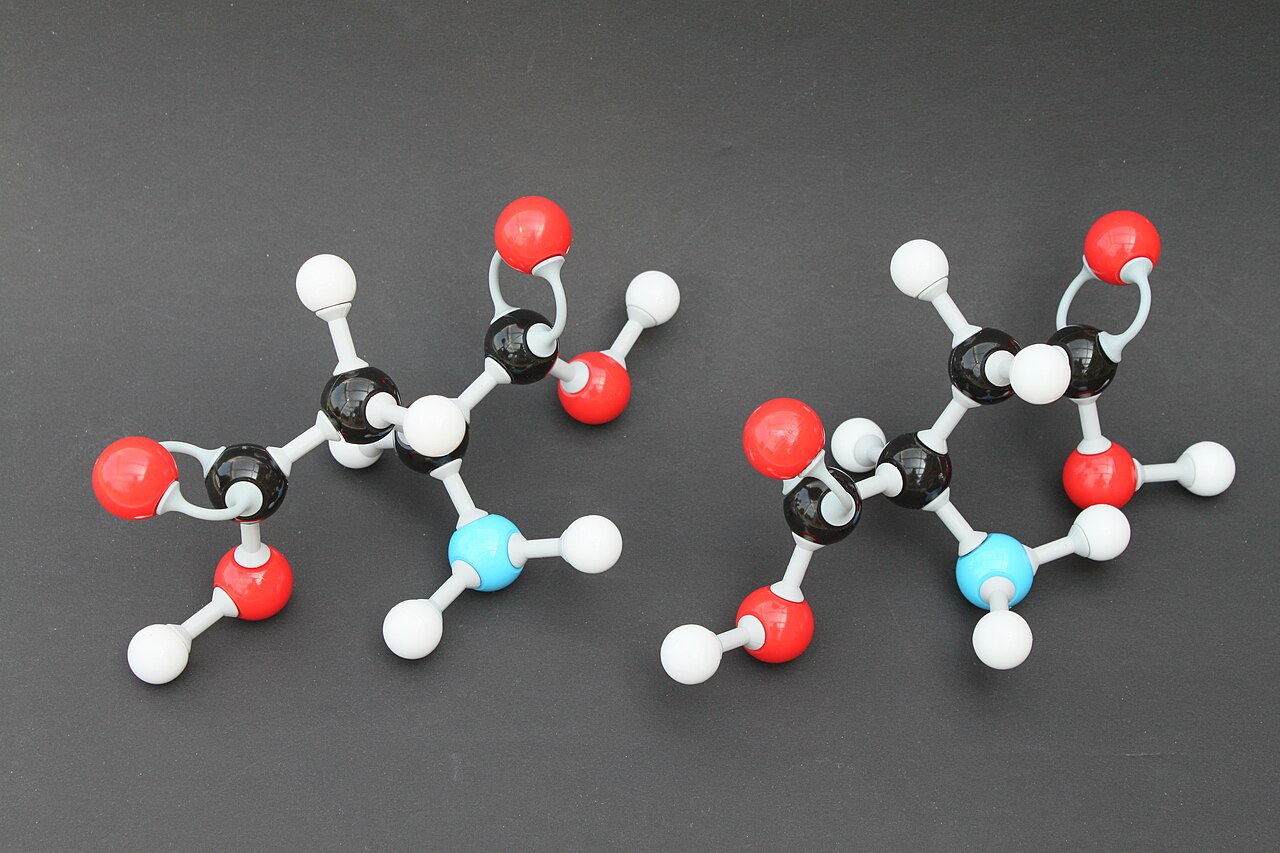
What studies in resistance-trained men add to D-aspartic acid claims and why more of an ingredient is not automatically a better strategy.
How to assess thermogenic supplement claims, distinguish short-term markers from sustained outcomes, and check hidden stimulant overlap.
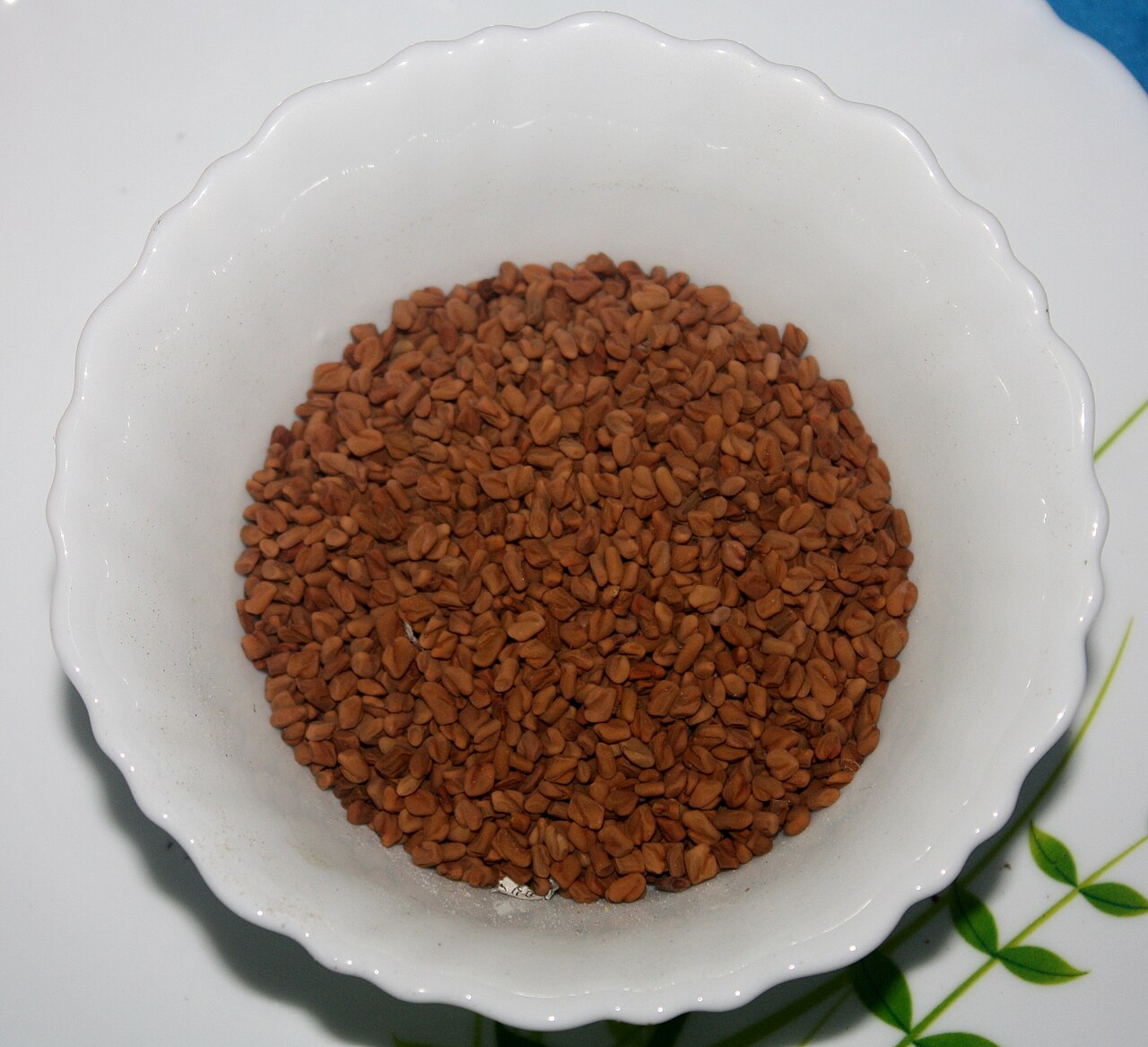
A close look at a fenugreek trial shows why comparison groups, sample type, and subjective outcomes belong in the headline.
Why sleep timing and chronic insomnia are different questions, how melatonin gummy labels were tested, and what to discuss before using a product.
A practical guide to interpreting hormone graphs, comparison groups, repeat measurements, and symptom outcomes in supplement advertising.
How to examine a testosterone blend, interpret undisclosed individual amounts, and distinguish ingredient research from a trial of the finished formula.
How to compare tongkat ali studies with retail labels, distinguish clinical outcomes, and avoid treating all extracts as equivalent.